Wildlife photography is unpredictable by nature. You cannot control the light, the subject or the environment. But you can control your preparation, camera settings and positioning.
The difference between missing the shot and capturing something powerful often comes down to a few small decisions made before the animal even appears.
Let's discuss a few practical wildlife photography tips that will help you improve your consistency in the field.
1. Learn animal behaviour
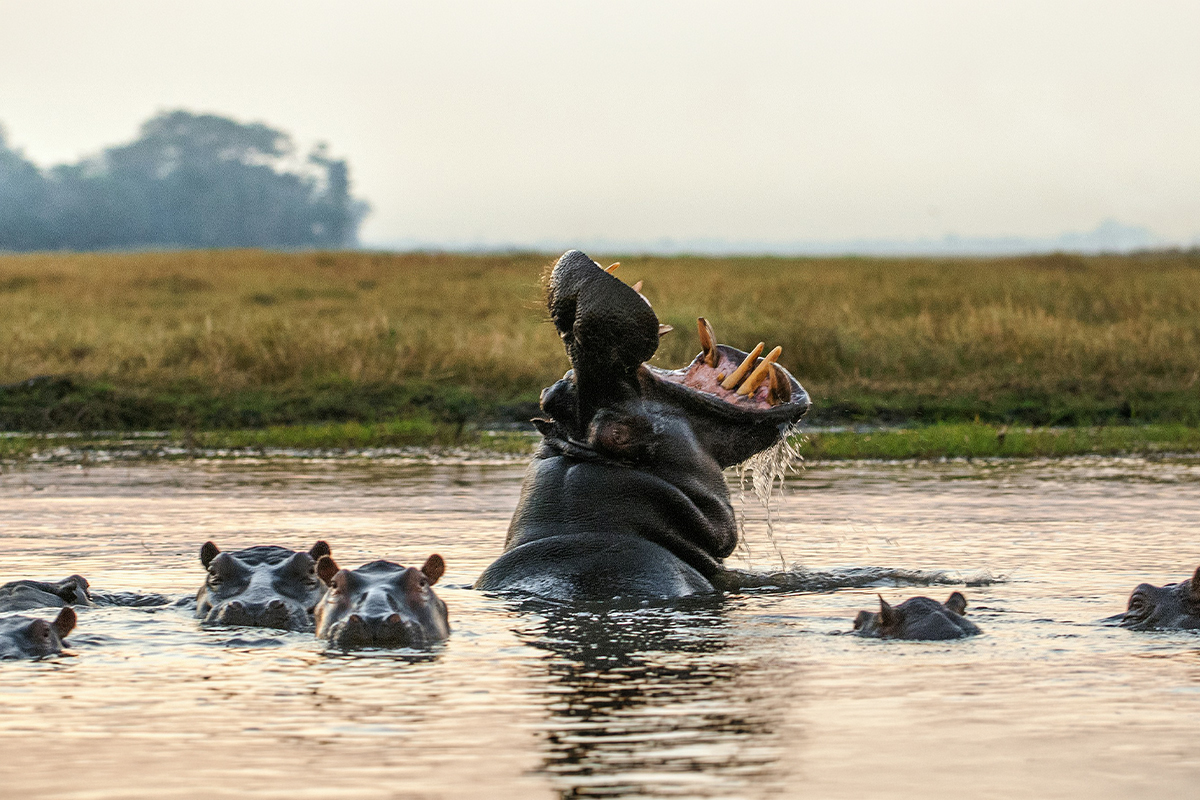
Great wildlife photography often starts with observation and while patience can be taught, it’s what ultimately separates good from great. Understanding behaviour helps you anticipate moments instead of reacting too late. Learn feeding patterns, movement habits, warning signals and active hours for the species you are photographing. You can often read behaviour in subtle movements; here are a few examples:
- A bird lifting its head often signals take-off.
- A predator lowering its body may be preparing to move.
- A sudden freeze in movement can indicate alertness to danger or nearby prey.
Small behavioural cues give you time to prepare your framing and focus. The more predictable the behaviour becomes, the better your timing gets.
2. Shoot during better light
Light affects wildlife photography more than most genres because you often work at long distances and fast shutter speeds.
Early morning and late afternoon remain the best times to shoot. The light is softer, warmer and more directional, which helps create depth and detail in fur, feathers and textures.
Midday sun creates harsh contrast and flat-looking images. If you do shoot during harsh light, look for side-lighting, shade or backlit opportunities to add atmosphere. Good light can completely change an ordinary wildlife scene.
3. Use a fast shutter speed
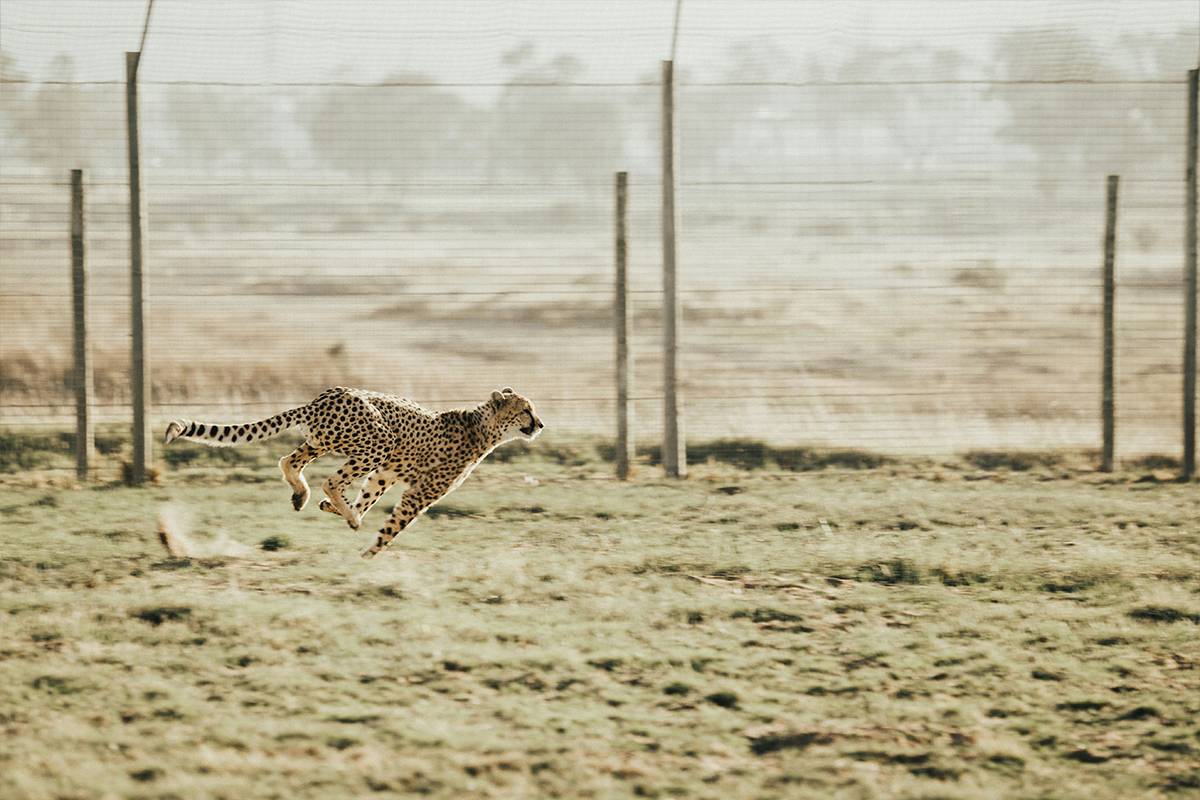
Wildlife moves quickly and unpredictably. Your shutter speed needs to keep up.
As a starting point:
- Birds in flight: 1/2000s or faster
- Running animals: 1/1000s or faster
- Larger slower subjects: around 1/500s
If your images are soft, your shutter speed is usually the first thing to check.
Modern cameras handle higher ISO levels far better than older systems, so do not be afraid to increase ISO when needed to maintain speed. Sharpness matters more than low noise in most wildlife situations.
4. Use continuous autofocus
Single autofocus struggles with moving wildlife. Switch to continuous autofocus mode so your camera continuously tracks movement while you shoot. Eye detection for animals can also make a major difference, especially for birds and fast-moving subjects.
Pair this with burst shooting to improve your chances of capturing the perfect wing position, eye contact or action moment.
Wildlife photography is often about probability. The more prepared your autofocus system is, the better your results.
5. Get lower to the ground
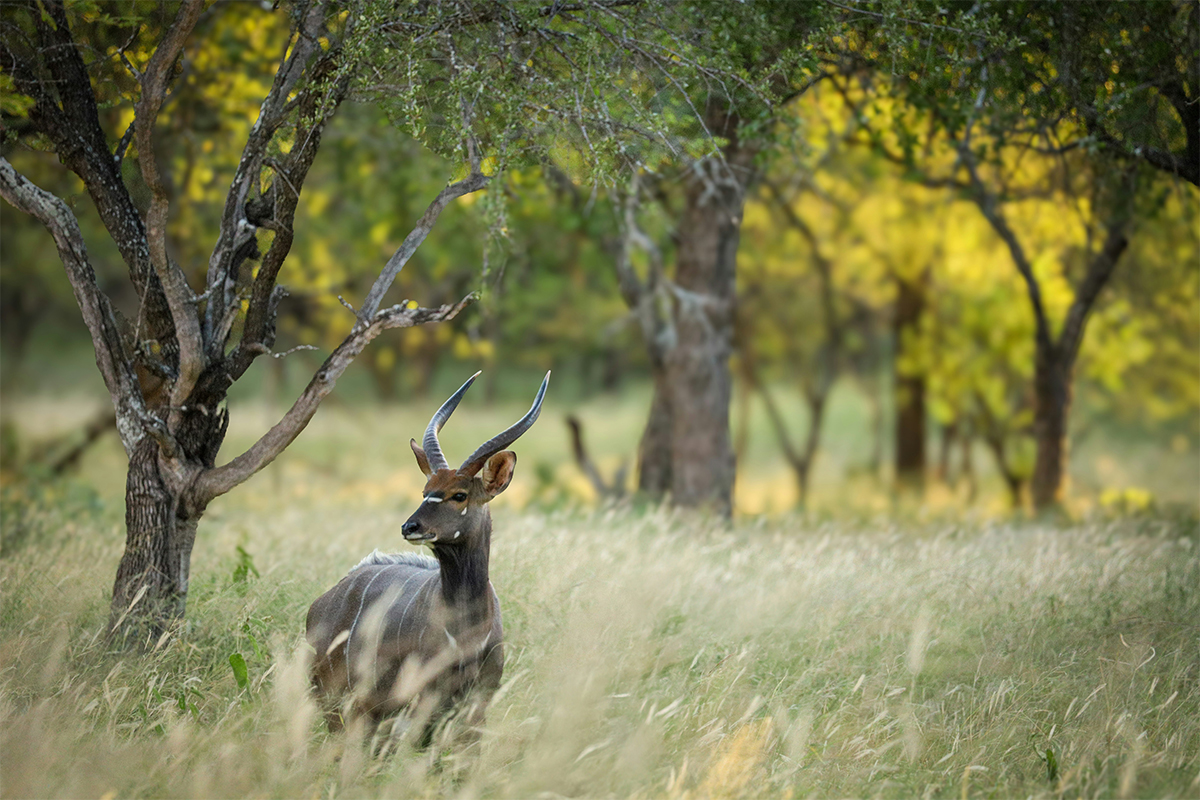
Eye-level wildlife images feel more immersive and natural. Shooting lower helps separate the subject from distracting backgrounds while creating a stronger connection between the viewer and the animal. This is especially effective for small mammals, birds and reptiles.
Changing your angle can completely change the impact of the image without changing your gear.
6. Pay attention to the background
A great wildlife subject can still be ruined by a messy background. Branches, bright hotspots, fences and clutter pull attention away from the animal. Before taking the shot, quickly check the edges and background of your frame. A clean background creates stronger subject separation and gives your image a more professional look.
Sometimes moving a few steps left or right makes a massive difference.
7. Be patient and stay ready
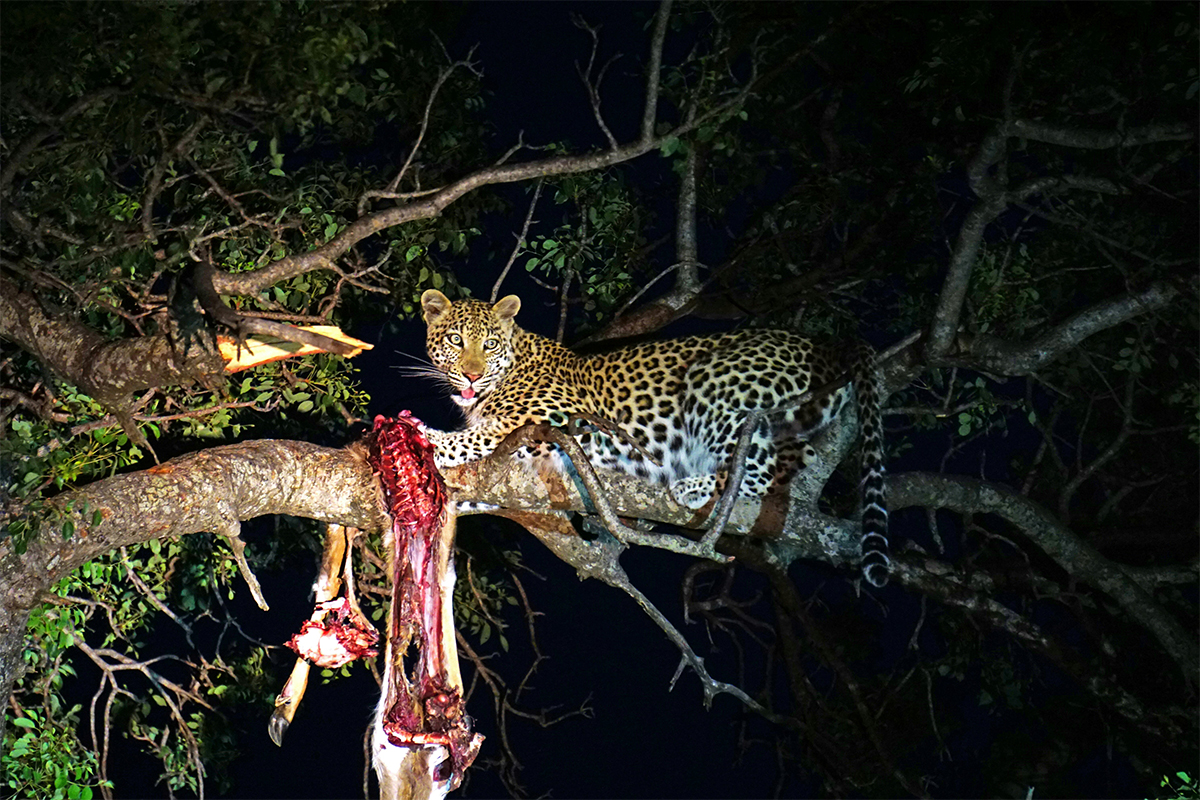
Wildlife photography rewards patience more than speed. The best moments rarely happen immediately, stay ready between shots and avoid constantly lowering your camera after every frame. Many photographers miss action because they stop paying attention too soon.
Patience often leads to more authentic behaviour and stronger storytelling moments.
8. Stabilisation matters
Long lenses amplify movement; even slight camera shake becomes visible quickly. If you are shooting handheld, maintain good shooting posture and use stabilised lenses or in-body stabilisation where possible.
For longer sessions, monopods, tripods and bean bags all help reduce fatigue while improving consistency. Stable shooting becomes even more important in low light situations.
9. Focus on the eyes
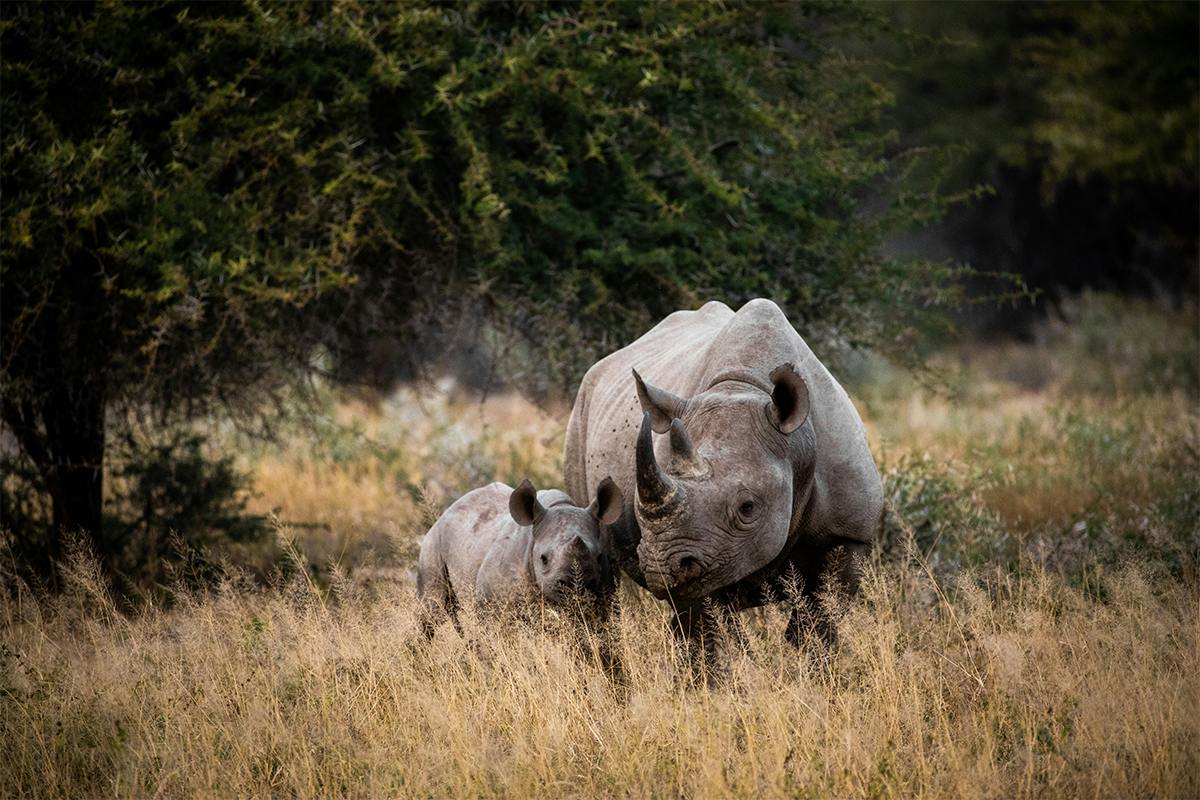
In wildlife photography, sharp eyes are critical. Even with motion blur or environmental movement, sharp eyes help the image feel intentional and alive.
When reviewing images, viewers naturally look at the eyes first. If they are sharp and engaging, the image feels stronger overall.
10. Respect the wildlife
Good wildlife photography should never disturb or stress the animal. Avoid getting too close, blocking movement paths or using excessive noise to force reactions. Ethical wildlife photography leads to more natural behaviour and better long-term opportunities. Sometimes the best decision is not taking the shot.
Respect for wildlife always comes first.
Wildlife photography combines technical skill, patience and timing. Gear helps, but preparation and observation matter just as much. The more time you spend learning behaviour, improving your camera handling and understanding light, the more consistent your results become.
Wildlife moments happen quickly, be ready.