Drone photography gives you a perspective that's impossible to achieve from the ground. Whether you're photographing landscapes, wildlife, real estate or creating content for social media, the right technique can make a significant difference to your final images.
Here are practical tips to help you get the most out of your drone.
Plan your flight before you take off
Great drone photography starts before the drone leaves the ground.
Before planning your shot, make sure you're allowed to fly in the area. Avoid flying near airports, helipads and other restricted airspace, stay within the legal altitude limits, and always follow the local drone regulations applicable to your location.
Once you've confirmed it's safe and legal to fly, use maps, weather apps and satellite imagery to scout your location. Look for interesting leading lines, textures, natural patterns and subjects that stand out from above.
A little planning not only helps you stay compliant but also saves battery life and increases your chances of capturing stronger images.
Fly during golden hour
Lighting is one of the biggest factors in aerial photography.
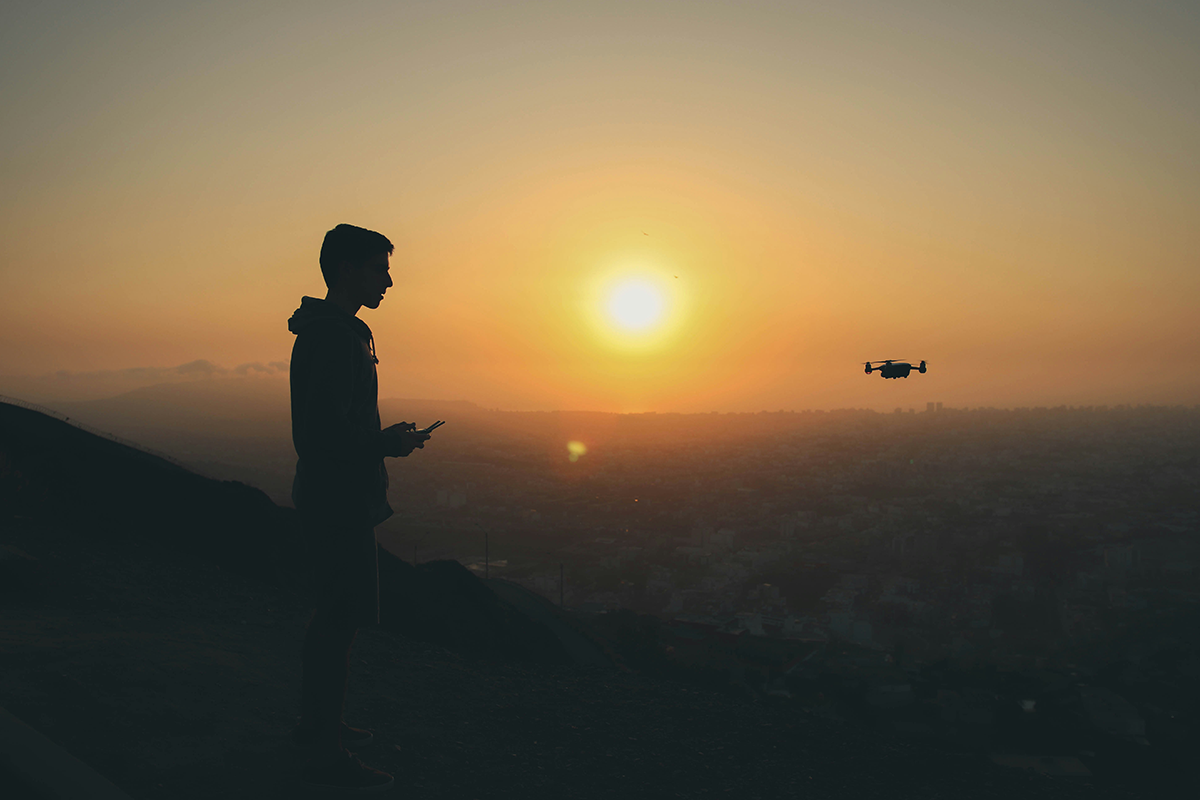
Early morning and late afternoon provide softer light, longer shadows and warmer colours that add depth and dimension to your images. Midday sunlight often creates harsh contrast and flatter-looking photographs.
If conditions allow, golden hour is usually the best time to fly.
Shoot in RAW
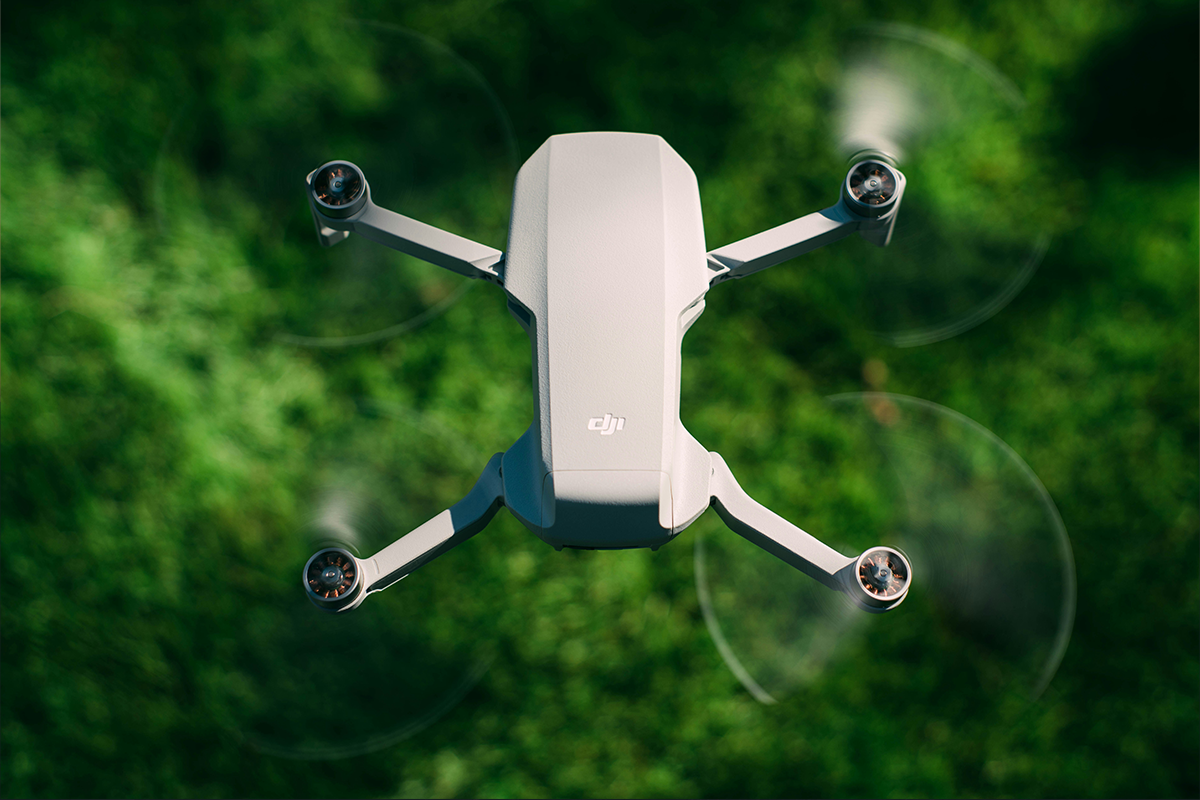
If your drone supports RAW capture, use it.
RAW files retain more image data than JPEGs, giving you greater flexibility when editing exposure, recovering highlights and adjusting shadows. This is especially valuable when photographing high-contrast scenes like sunsets or mountain landscapes.
Keep your ISO low
A low ISO produces cleaner images with less digital noise.
Whenever possible, rely on available light instead of increasing ISO. This helps preserve image quality and ensures sharper results, particularly when printing or cropping your photos.
Look beyond the obvious angle
One of the biggest advantages of a drone is creative freedom.
Don't only shoot straight down. Experiment with different heights and camera angles to create more dynamic compositions. A slight tilt or lower altitude can often produce a much stronger image than a standard overhead shot.
Use leading lines and patterns
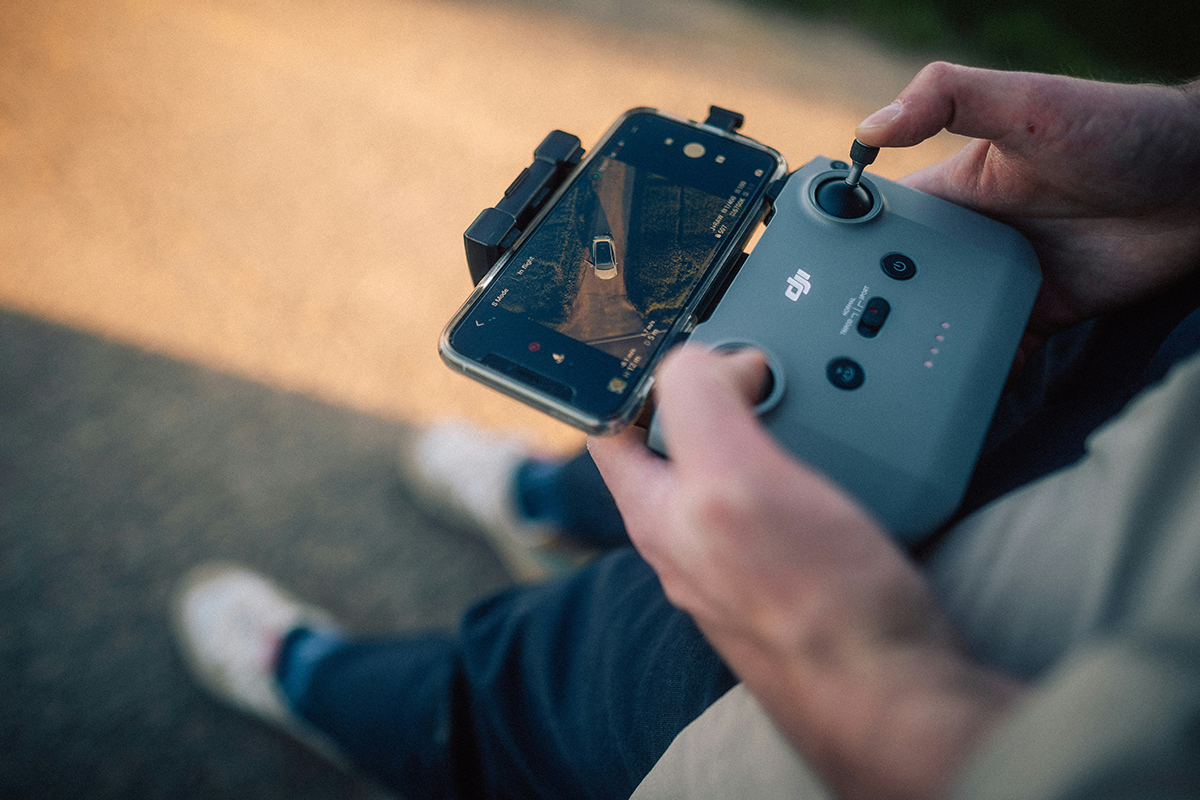
Roads, rivers, coastlines, vineyards and fields become powerful compositional elements from above.
Look for natural shapes, symmetry and repeating patterns that guide the viewer's eye through the frame. Aerial photography often reveals details that aren't visible from ground level.
Keep your horizon straight
If you're photographing landscapes or cityscapes, pay attention to your horizon.
A level horizon creates a cleaner, more professional image and saves editing time later. Most drones include grid lines and horizon indicators to help with framing.
Watch your battery
It's easy to become focused on getting the perfect shot.
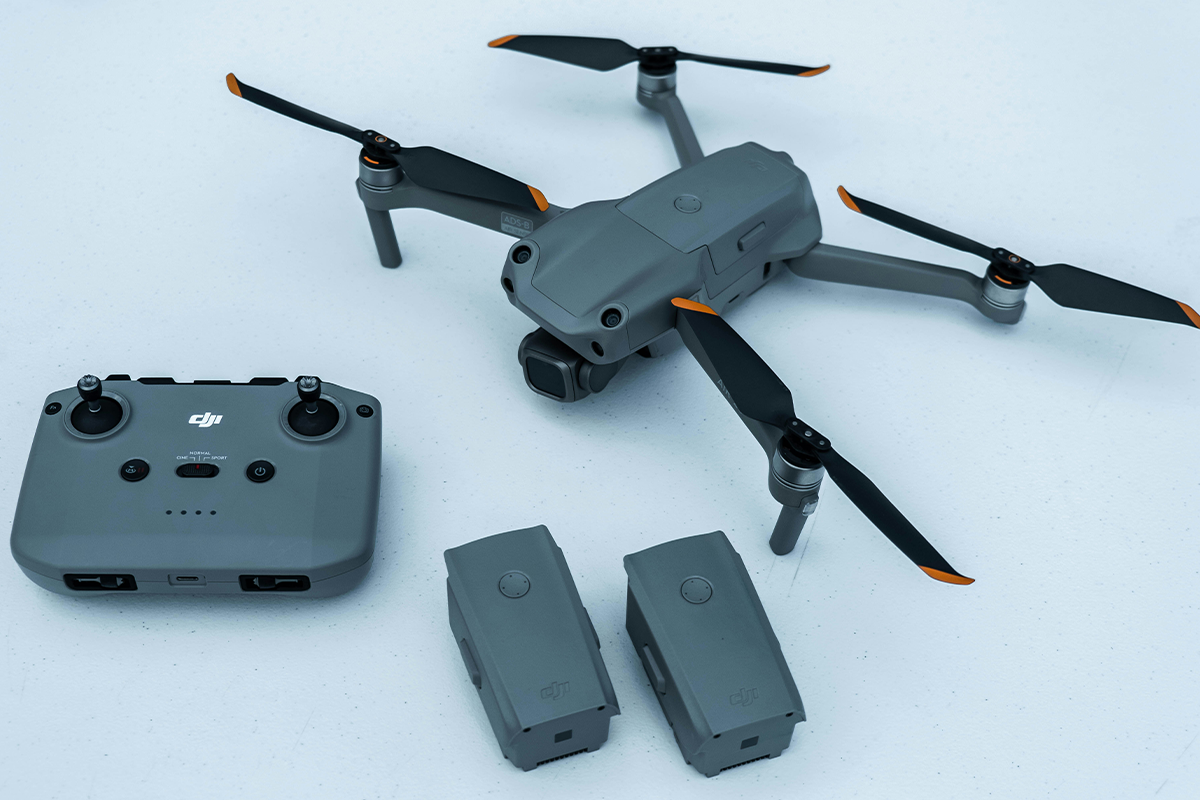
Always leave enough battery for a safe return flight. Wind, distance and colder temperatures can reduce battery performance, so avoid pushing your drone to its limits.
Edit with a light touch
Editing should enhance your image, not overpower it.
Adjust exposure, contrast and colour carefully while maintaining a natural look. Small refinements often produce the most professional results.
Practise regularly
The more you fly, the more confident you'll become.
Learning how your drone responds in different lighting and weather conditions will improve both your flying skills and your photography. As with any camera system, consistency leads to better results.
Ready to take your drone photography further?
Whether you're buying your first drone or upgrading your current setup, choosing the right equipment makes a difference.
At Outdoorphoto, our team can help you find the right drone, accessories and workflow tools for your style of photography. Visit us in-store or online to explore our range and get expert advice from photographers who understand what creators need.