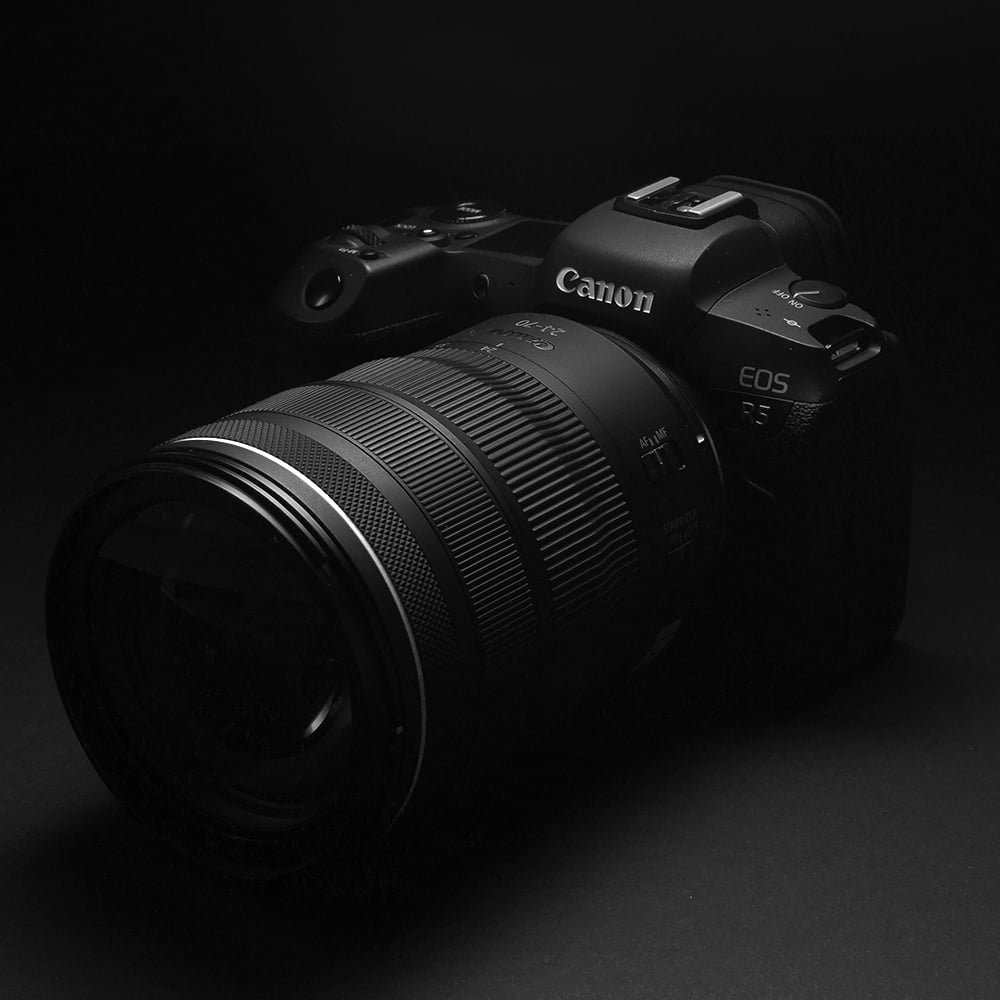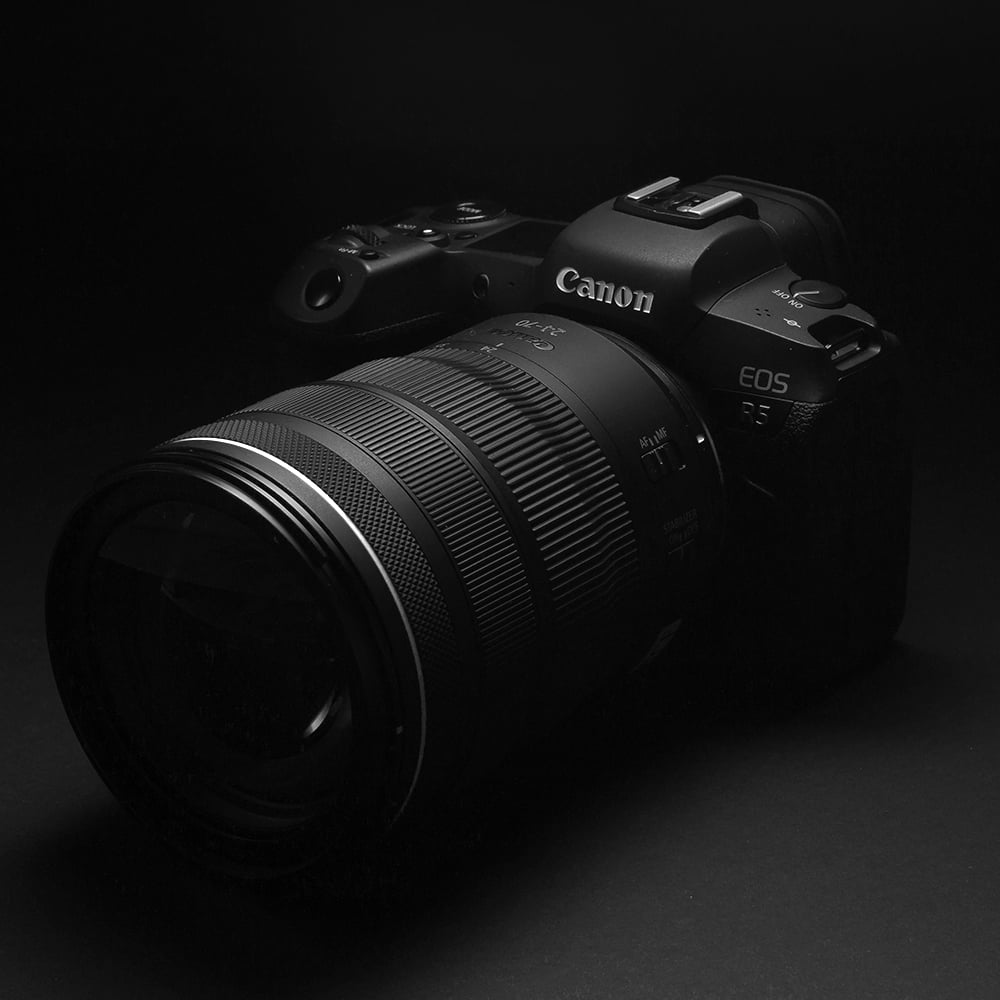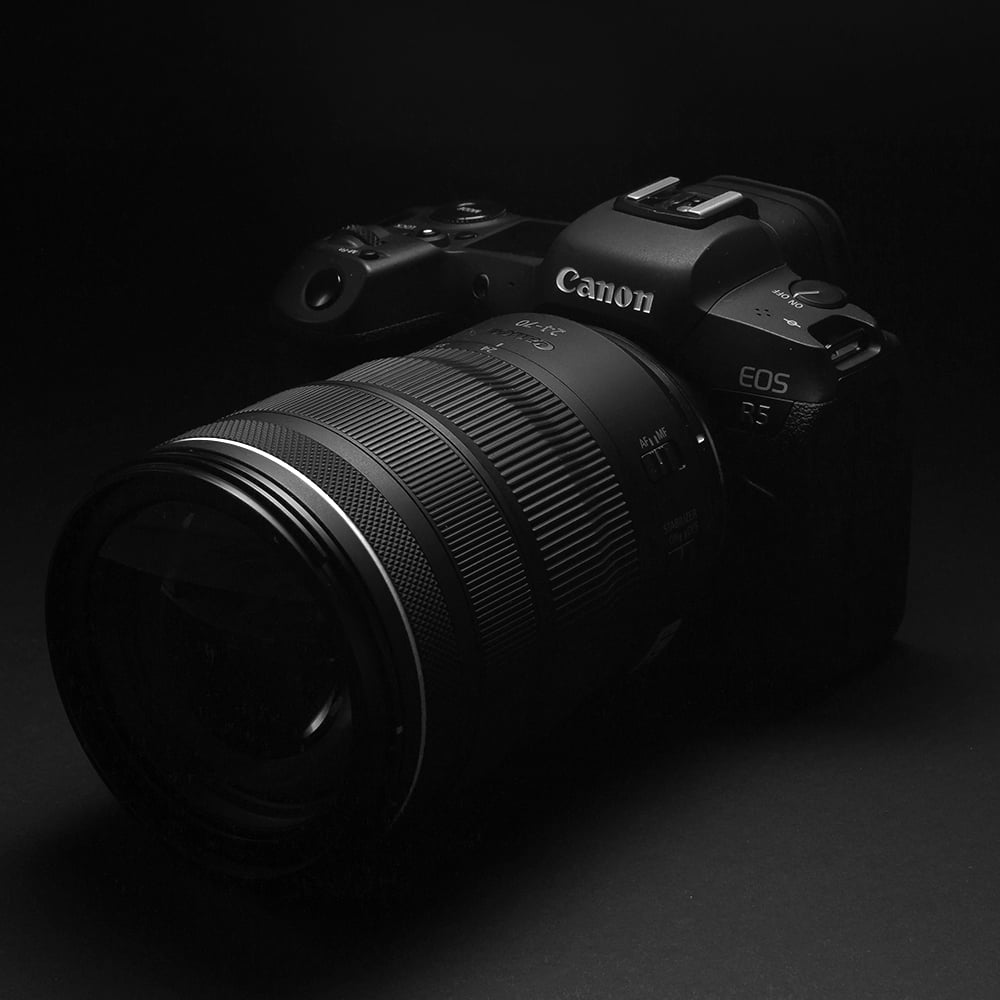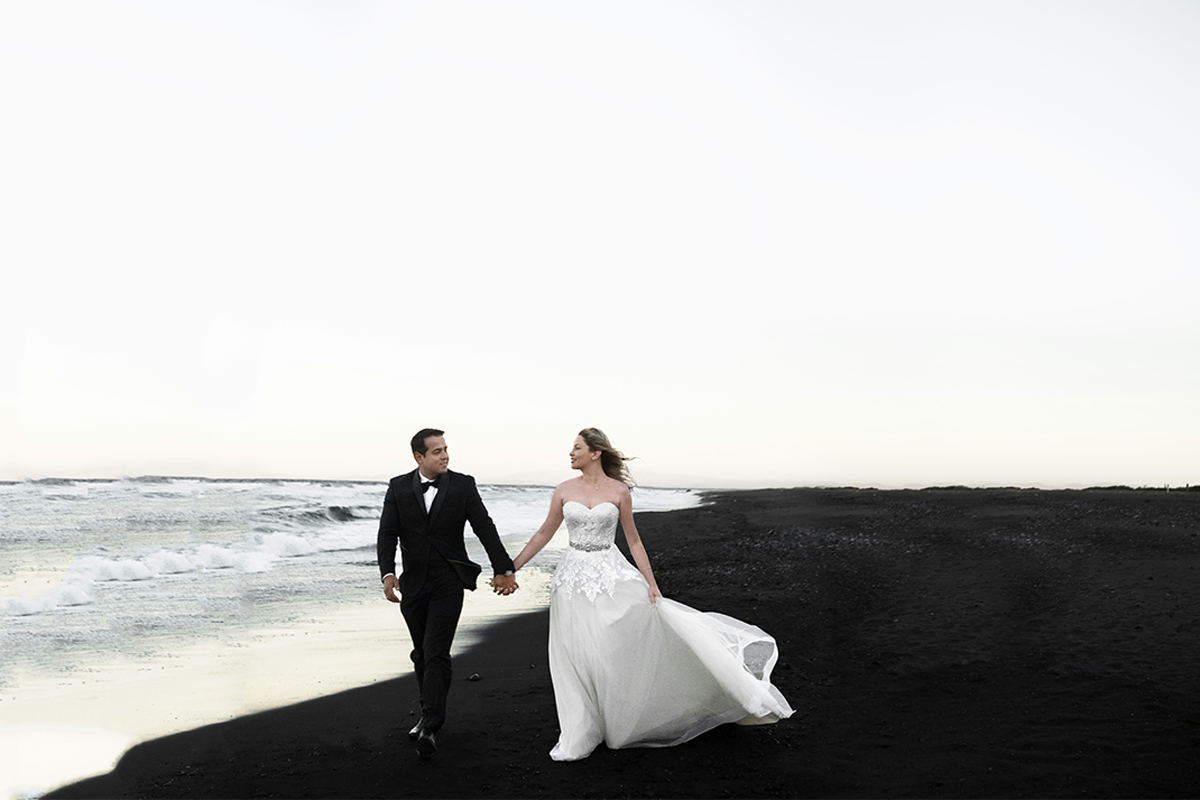
Wedding season is one of the busiest and most rewarding times of the year for photographers and videographers. From spring through late summer, calendars fill quickly, gear works harder, and there's little room for mistakes.
Preparation is what separates a smooth wedding season from a stressful one. Whether you're photographing your first wedding or managing a full calendar, taking the time to get organised now will help you deliver your best work when it matters most.
Get your gear ready
Your equipment is your livelihood. Before the season begins, inspect everything thoroughly.
Check your:
- Camera bodies
- Lenses
- Batteries and chargers
- Memory cards
- Flashes and triggers
- Tripods and monopods
- Gimbals and audio gear for video
- Bag or Case
Clean your sensors and lenses, update firmware, and test every piece of equipment before heading to a wedding.
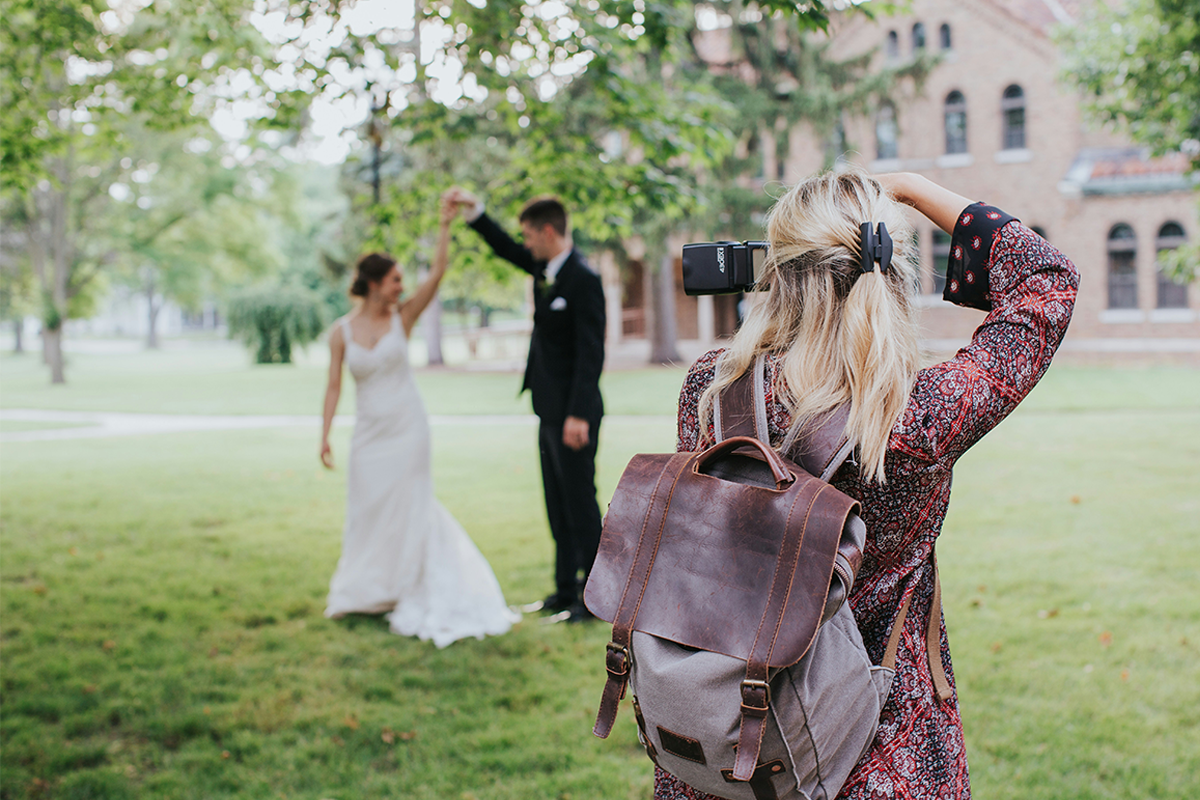
Always have a backup plan
Wedding days can't be repeated, having backup equipment is essential.
Consider bringing:
- A second camera body
- Backup lenses for key focal lengths
- Extra batteries
- Additional memory cards
- Spare flashes
- Backup audio recorders for speeches and vows
- Chargers
If you don't own duplicate gear, renting equipment for important weddings is a practical way to stay covered.
Organise your workflow
A busy season means you'll be handling more shoots, edits and deliveries than usual.
Before your first wedding:
- Create folder templates
- Prepare Lightroom catalogues or editing presets
- Set up automatic backups
- Review your delivery timelines
- Organise contracts and client information
The more streamlined your workflow, the more time you'll have to focus on your clients.
Review your camera settings
Don't wait until the ceremony to discover something isn't configured correctly.
Before every wedding:
- Format memory cards
- Charge every battery
- Check date and time settings
- Confirm RAW or RAW + JPEG recording
- Test autofocus settings
- Save your preferred custom shooting modes
A five-minute equipment check can prevent costly mistakes.
Refresh your essential skills
Every wedding is different, but the fundamentals remain the same.
Take time to practise:
- Off-camera flash
- Low-light focusing
- Fast exposure changes
- Group posing
- Flash balancing during receptions
Confidence comes from preparation, not luck.
Scout the venue
If possible, visit the venue before the wedding day.
Look for:
- Ceremony lighting
- Portrait locations
- Indoor backup options
- Reception lighting
- Sunset timing
Knowing the venue allows you to plan instead of reacting under pressure.
Stay ahead on storage
Wedding photography generates thousands of files.
Make sure you have:
- Enough high-speed memory cards
- Reliable external SSDs or hard drives
- Cloud backup where possible
- A consistent file naming system
Backing up your work immediately after every wedding should become routine.
Don't forget the small essentials
The smallest items are often the easiest to overlook.
Pack things like:
- Lens cloths
- Rain covers
- Multi-tools
- Gaffer tape
- Extension leads
- Power banks
- Snacks and water
These simple additions can make a long wedding day much easier.
Consider renting specialised gear
Not every wedding requires the same equipment.
Depending on the venue or client requirements, renting gear can expand your creative options without a major investment.
Popular rentals include:
- Fast prime lenses for low-light ceremonies
- Telephoto lenses for discreet coverage
- Professional flash systems
- LED lighting for video
- Gimbals for cinematic footage
- Drones (where regulations and venues allow)
Renting also provides access to the latest equipment while keeping your kit flexible throughout the season.
Recommended gear for wedding season
Some of the most valuable additions to a wedding kit include:
Fast standard zoom
A 24–70mm f/2.8 remains one of the most versatile wedding lenses, covering everything from preparation to portraits.
Telephoto zoom
A 70–200mm f/2.8 allows you to capture emotional moments during the ceremony while remaining unobtrusive.
Fast prime lens
An 85mm or 50mm f/1.4 or f/1.8 is ideal for portraits and low-light reception photography.
Reliable flash
A powerful speedlight with wireless capability is invaluable once the sun goes down.
Extra batteries and memory cards
You can never have too many, running out of power or storage isn't an option on a wedding day.
Pack an emergency kit
The best wedding photographers are prepared for the unexpected. A compact emergency kit can save valuable time, reduce stress and even help your couple when something goes wrong.
Consider packing:
- A small sewing kit with needles, thread and safety pins
- Gaffer tape or double-sided tape
- Clear umbrellas or rain covers
- Lens rain covers
- Microfibre cloths to wipe away rain, dust or fingerprints
- A multitool for quick equipment adjustments
- Plasters and basic first aid supplies
- Reusable water bottles and snacks to stay hydrated and energised throughout the day
- Power banks and charging cables to keep your phone and accessories running
You may never need every item, but having them on hand means you're ready to solve problems quickly and keep the wedding day running smoothly.
Peak wedding season moves quickly. The photographers who stay organised, maintain their equipment and prepare for every scenario are the ones who can focus on what really matters, capturing unforgettable moments.
Whether you're upgrading your kit, replacing essential accessories or renting specialised equipment for an upcoming wedding, preparing before the season starts gives you the confidence to perform at your best.