When it comes to wedding photography and videography, versatility is everything. Moments happen fast, lighting changes constantly, and there's rarely a second chance.
While many photographers carry prime lenses like a 35mm, 50mm or 85mm for their low-light performance and beautiful background blur, zoom lenses remain the backbone of most wedding kits thanks to their versatility.
If you're building your kit, two lenses consistently stand out: a 24-70mm f/2.8 and a 70-200mm f/2.8. Regardless of the brand you shoot, these are considered the bread and butter of professional wedding coverage.
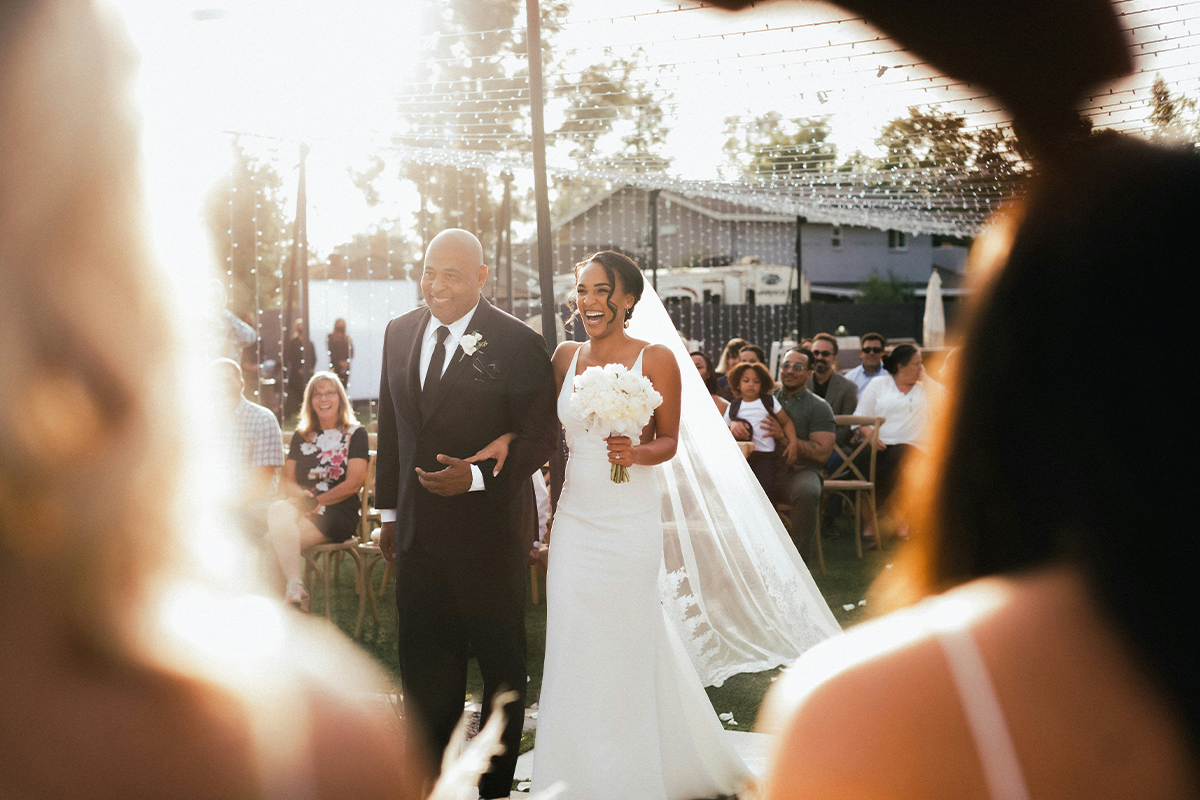
Why a 24-70mm f/2.8 ?
A 24-70mm f/2.8 is one of the most versatile lenses you can own.
It covers everything from wide environmental shots to flattering portraits, making it ideal for almost every stage of a wedding.
Use it for:
- Bridal and groom preparations
- Ceremony coverage
- Group photographs
- Couple portraits
- Reception details
- Dance floor moments
- Handheld video
- Gimbal work
The constant f/2.8 aperture performs well in low light while providing beautiful background separation. For many photographers and videographers, this is the lens that spends the most time on the camera.
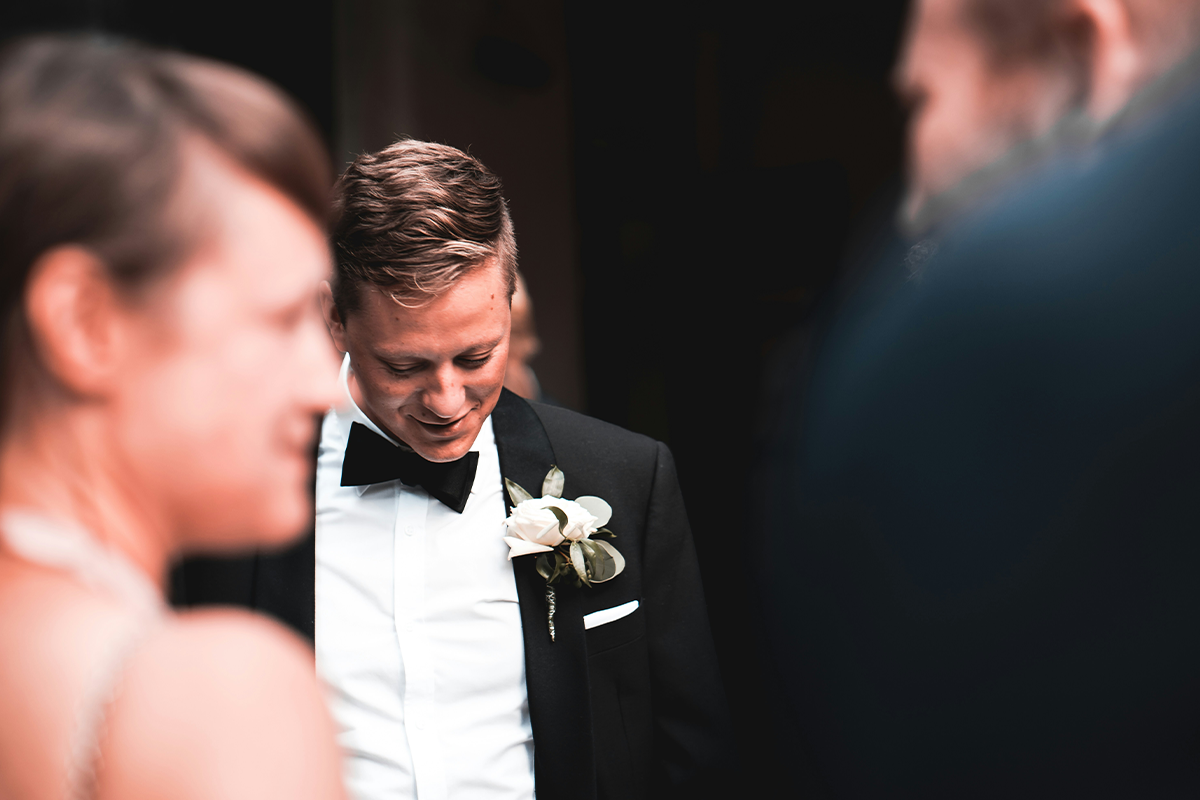
Why a 70-200mm f/2.8?
The 70-200mm f/2.8 complements the 24-70mm perfectly.
Its longer focal length allows you to capture authentic moments without disrupting the scene, making it ideal for ceremonies and emotional candid shots.
It's particularly useful for:
- Candid moments
- Speeches
- First dances
- Ceremony close-ups
- Emotional reactions
- Cinematic B-roll
- Capturing moments discreetly from a distance
The compression and shallow depth of field create a polished, professional look that's become synonymous with wedding photography.
Why a 35mm or 135mm Prime?
While the 24-70mm and 70-200mm cover almost every situation, many wedding photographers and videographers add a 35mm or 135mm prime to their kit for extra creative flexibility.
A 35mm is perfect for storytelling, allowing you to capture environmental portraits, bridal preparations, reception details and immersive moments while maintaining a natural perspective. Its wide aperture also makes it an excellent choice for low-light scenes.
A 135mm offers beautiful compression and exceptional background separation, making it ideal for intimate portraits, emotional candid moments and capturing subjects from a distance without intruding. It's a favourite for creating elegant, cinematic imagery with a flattering look.
Whether you're photographing or filming, these primes complement your zoom lenses by offering greater creative control and outstanding image quality.
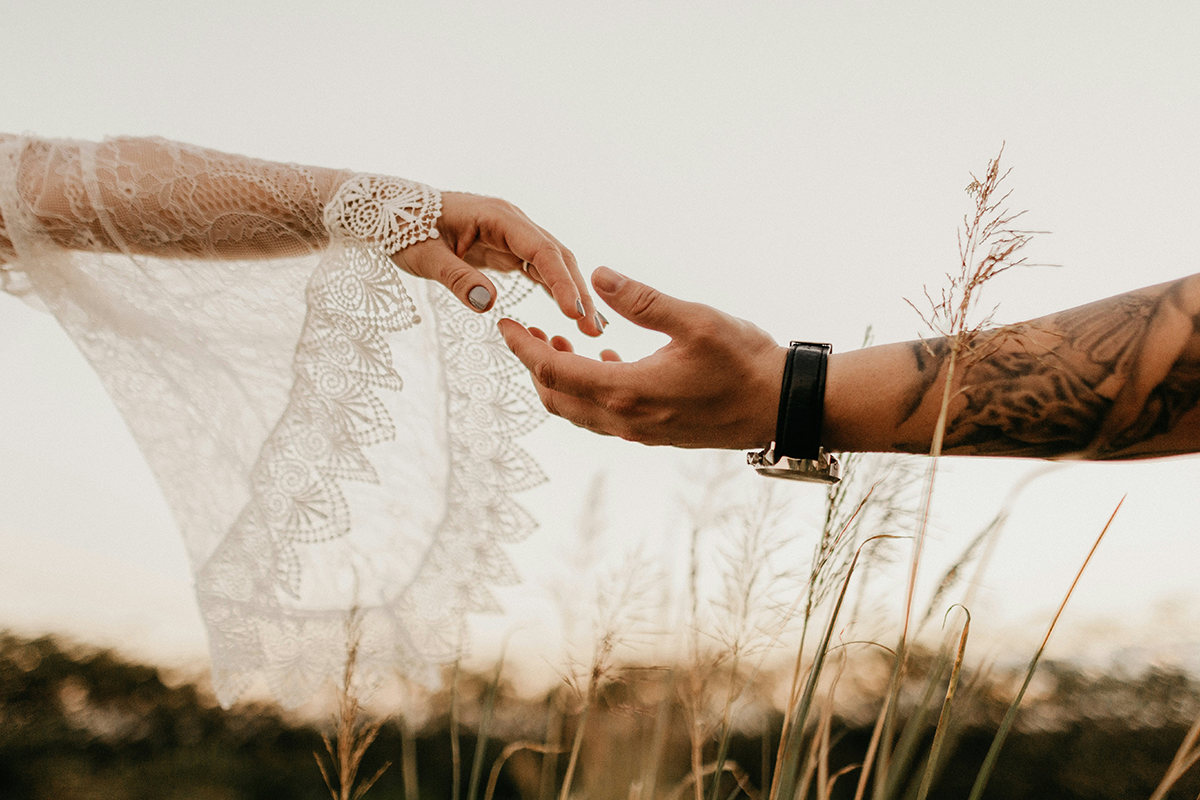
The essential wedding lens combination
Together, a 24-70mm f/2.8 and 70-200mm f/2.8 provide the versatility to cover almost every part of a wedding. From wide venue shots to intimate close-ups, this combination allows you to work confidently without constantly changing lenses.
For most photographers, these two lenses can comfortably cover an entire wedding day.
Don't forget your prime lenses
Zoom lenses provide incredible versatility, but prime lenses offer wider apertures, exceptional sharpness and even greater creative control. They're ideal for low-light conditions, beautiful background separation and cinematic storytelling.
Many wedding creators keep one or two primes in their bag for:
- Bridal portraits
- Couple sessions
- Reception details
- Low-light ceremonies
- Creative storytelling
- Cinematic B-roll
- Detail shots
- Portraits with beautiful background separation
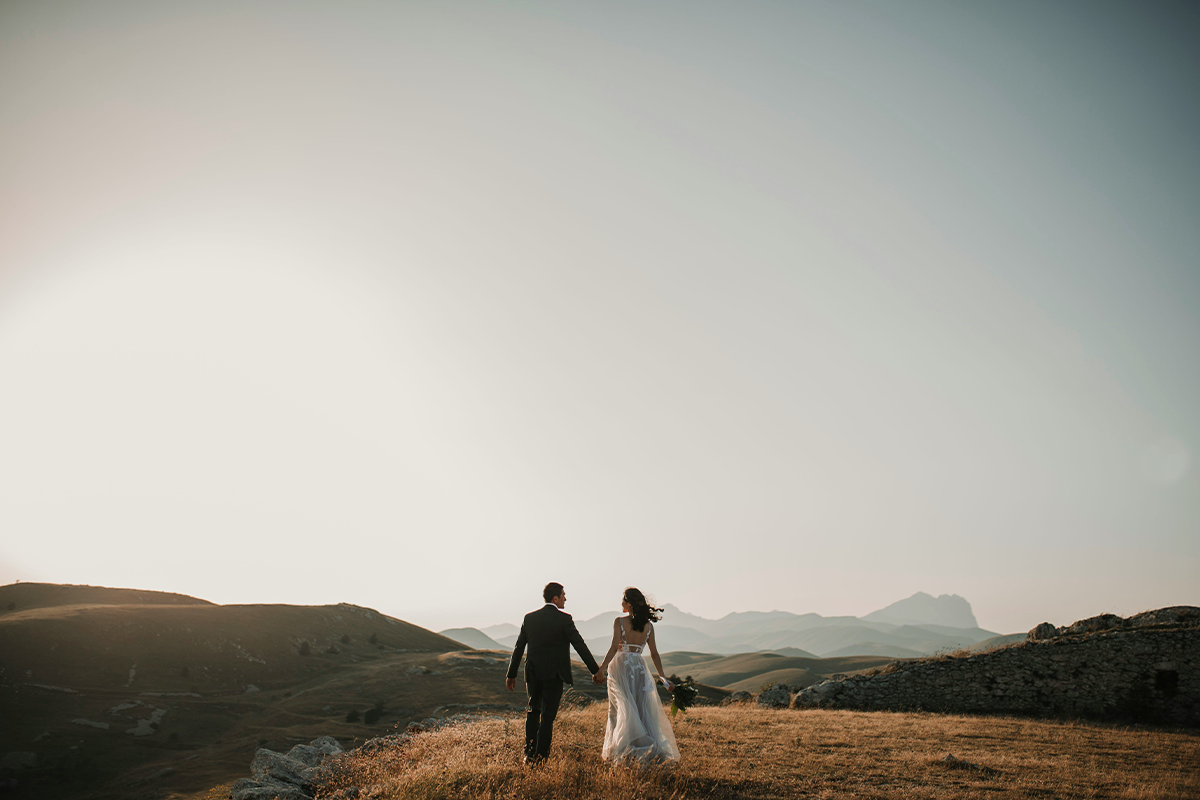
Canon
If you're shooting with Canon RF, these lenses make an outstanding wedding kit:
- Canon RF 28-70mm f/2L USM
- Canon RF 70-200mm f/2.8 L IS USM
- Canon RF 35mm f/1.4 L VCM
- Canon RF 135mm f/1.8 L IS USM
Nikon
For Nikon Z photographers, these are excellent choices:
- Nikon Z 24-70mm f/2.8 S
- Nikon Z 70-200mm f/2.8 VR S
- Nikon Z 35mm f/1.2 S
- Nikon Z 135mm f/1.8 S Plena
Sony
Sony's G Master range continues to be a favourite among professionals:
- Sony FE 24-70mm f/2.8 GM II
- Sony FE 70-200mm f/2.8 GM OSS II
- Sony FE 35mm f/1.4 GM
- Sony FE 135mm f/1.8 GM
Fujifilm
Fujifilm photographers can achieve the same versatility using APS-C equivalent focal lengths. This combination offers excellent coverage for weddings and content creation.
A great wedding kit includes:
- Fujifilm XF 16-55mm f/2.8 R LM WR II Lens
- Fujifilm XF 50-140mm f/2.8 R OIS WR Lens
- Fujifilm XF 23mm f/2 R WR Prime Lens (Black)
- Fujifilm XF 56mm f/1.2 R WR Lens
Which lens should you buy first?
If you're just starting out in wedding creation, begin with a 24-70mm f/2.8 (or the closest APS-C equivalent). It's the most versatile lens in almost any shooting situation.
Your next investment should be a 70-200mm f/2.8, giving you the reach and compression needed for ceremonies, portraits and candid moments.
Once you've built that foundation, adding a fast 35mm or 135mm prime lens opens up even more creative possibilities, particularly for portraits, low-light scenes and cinematic video.
Build a kit that covers every moment
A dependable lens kit lets you focus on telling the story rather than worrying about your equipment. Whether you're photographing, filming or doing both, a 24-70mm f/2.8 and 70-200mm f/2.8 remain the industry standard for wedding professionals.
If you're ready to build or upgrade your kit, the Go-To Guys at Outdoorphoto, can help you choose the right lenses for your camera system, shooting style and budget.