Whether you're shooting landscapes, waterfalls, cinematic video or content for social media, an ND filter is one of the most useful accessories you can add to your kit.
It gives you greater creative control by reducing the amount of light entering your lens, allowing you to use slower shutter speeds or wider apertures, even in bright daylight.
If you've ever wondered whether you need an ND filter, here's what you need to know.
What is an ND Filter?
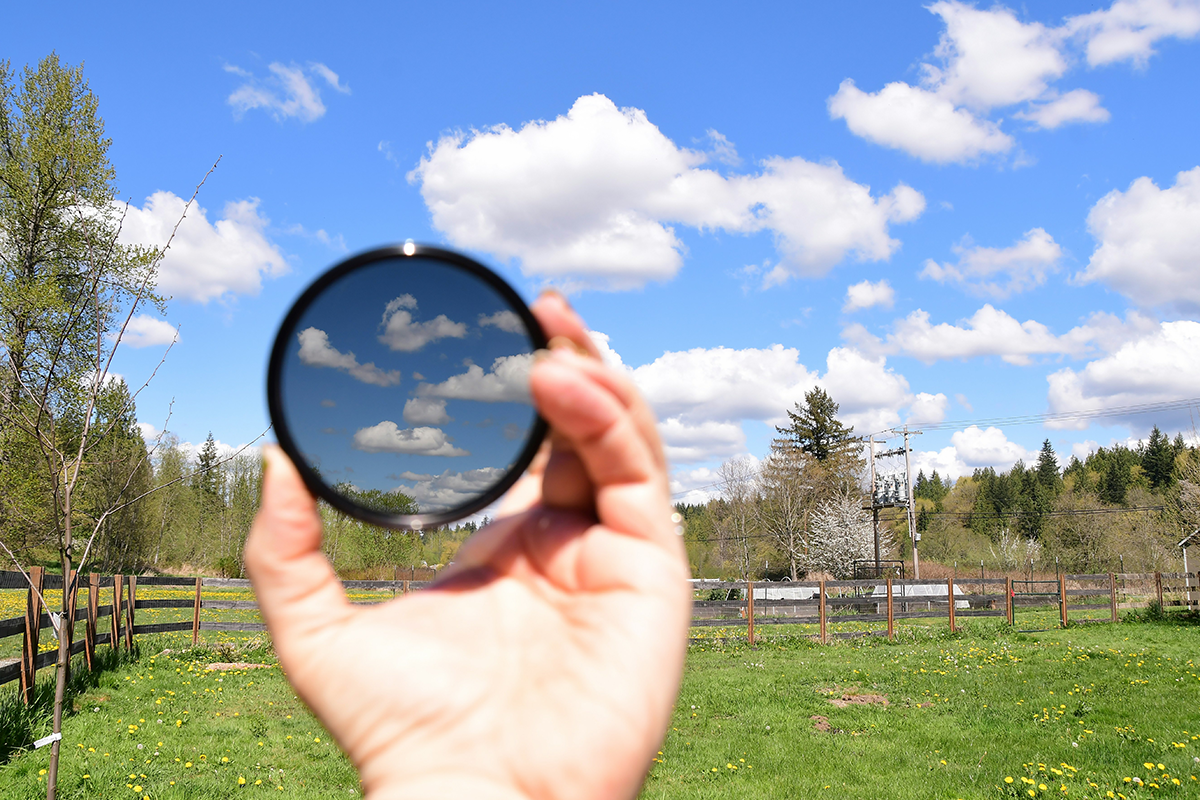
An ND (Neutral Density) filter acts like a pair of sunglasses for your lens.
It reduces the amount of light reaching your camera sensor without affecting the colour of your image. This means you can maintain the settings you want, even when shooting in challenging lighting conditions. The darker the filter, the more light it blocks.
Why use an ND Filter?
For Photography:
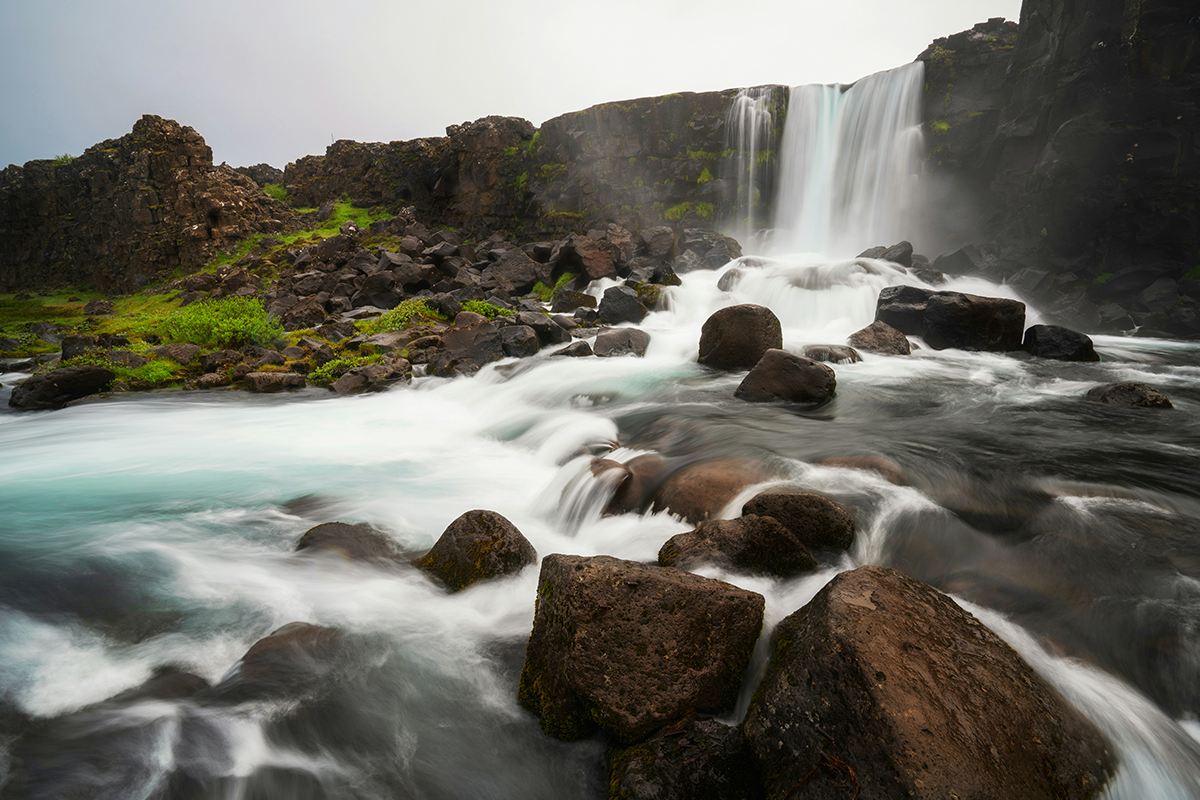
ND filters unlock creative effects that aren't possible at faster shutter speeds.
They're commonly used to:
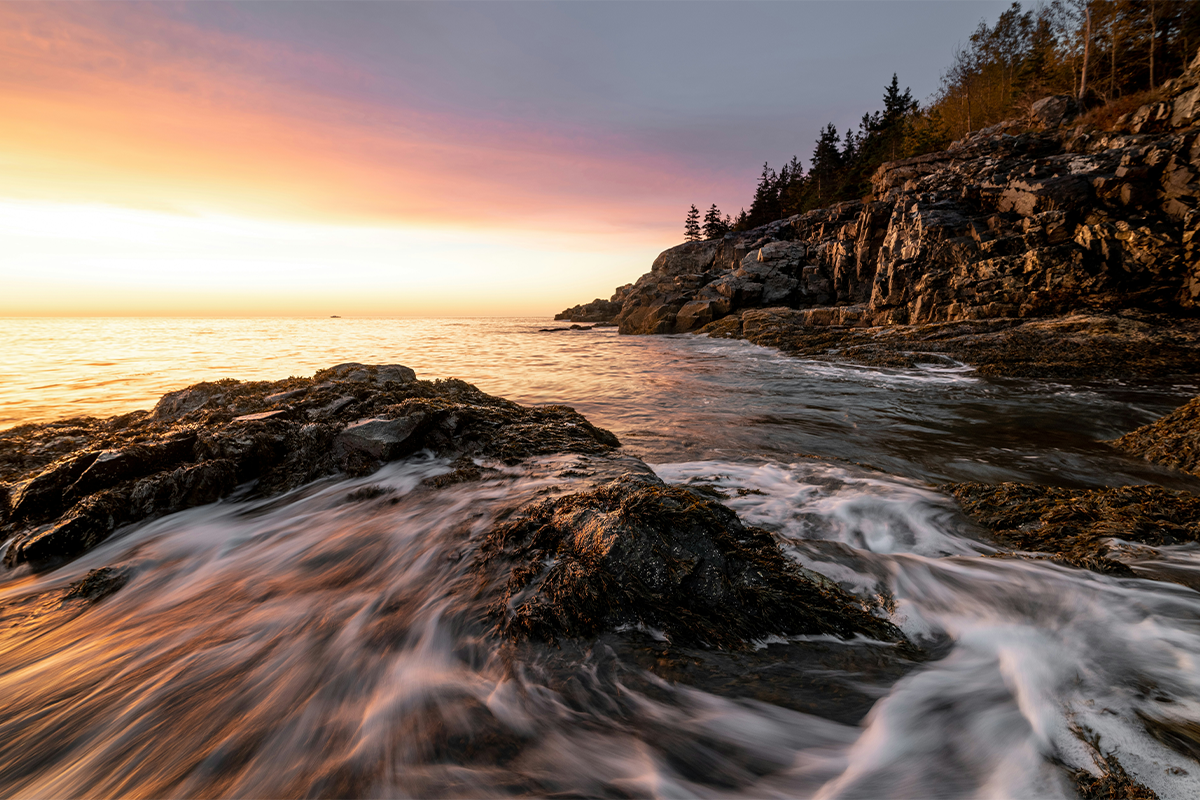
- Create silky smooth waterfalls and rivers
- Blur moving clouds for dramatic landscapes
- Remove crowds from busy locations using long exposures
- Shoot with wide apertures in bright sunlight for softer backgrounds
- Capture motion blur while keeping your exposure balanced
If you enjoy landscape, travel or creative photography, an ND filter quickly becomes an essential part of your camera bag.
For Videography:
For videographers and content creators, ND filters are almost essential when shooting outdoors.
Video generally follows the 180-degree shutter rule, where your shutter speed is approximately double your frame rate. For example:
As a general guideline, your shutter speed should be approximately double your frame rate to achieve natural-looking motion. For example, if you're shooting at 25fps, use a shutter speed of 1/50 sec. At 30fps, aim for 1/60 sec. If you're shooting at 50fps, use 1/100 sec, and for 60fps, a shutter speed of 1/125 sec is recommended.
Without an ND filter, bright conditions often force you to increase your shutter speed, resulting in footage that looks sharp and unnatural.
An ND filter allows you to keep your shutter speed where it should be while maintaining smooth, cinematic motion.
Fixed ND vs Variable ND
Fixed ND Filters
A fixed ND filter has one strength and blocks a specific amount of light that cannot be adjusted. To change the amount of light reduction, you'll need to swap it for another fixed ND filter with a different strength.
Examples include:
- ND8 (3 stops)
- ND64 (6 stops)
- ND1000 (10 stops)
Best for:
- Landscape photography
- Long exposures
- Waterfalls
- Astrophotography
- Maximum image quality
Variable ND Filters
A variable ND combines multiple filter strengths into one filter. Simply rotate the front ring to increase or decrease the amount of light being blocked.
Best for:
- Video production
- Weddings
- Documentary work
- Travel
- Fast-changing lighting conditions
For many creators, a variable ND is the most practical choice because it adapts quickly without changing filters.
How many stops do you need?
As a general guide, an ND8 (3-stop) filter is ideal for portraits, overcast conditions and subtle light control. An ND16 (4-stop) works well in bright daylight, while an ND64 (6-stop) is a popular choice for landscapes and waterfalls where slower shutter speeds are needed. If you're looking to capture dramatic long exposures, such as smoothing water or creating motion blur in clouds, an ND1000 (10-stop) filter is the go-to option.
For video, many creators choose a 2–5 stop or 6–9 stop variable ND, depending on the lighting conditions they shoot in most often.
Choosing the right size:
ND filters are sized according to your lens's filter thread. Look for the Ø (diameter) symbol on the front of your lens or inside the lens cap. Common sizes include:
- 58mm
- 67mm
- 72mm
- 77mm
- 82mm
If you use multiple lenses, consider buying a filter to fit your largest lens and using step-up rings for your smaller lenses. It's often more cost-effective than purchasing multiple filters.
Rectangular ND filters are another popular option, especially for landscape photography. Instead of screwing directly onto your lens, they slide into a filter holder attached to the lens via an adaptor ring. This system makes it easy to swap filters, stack multiple filters together, or position graduated ND filters precisely over the horizon. While they are generally more expensive than screw-in filters, they offer greater flexibility and are ideal for photographers who frequently use filters in different shooting conditions.
Are ND Filters worth it?
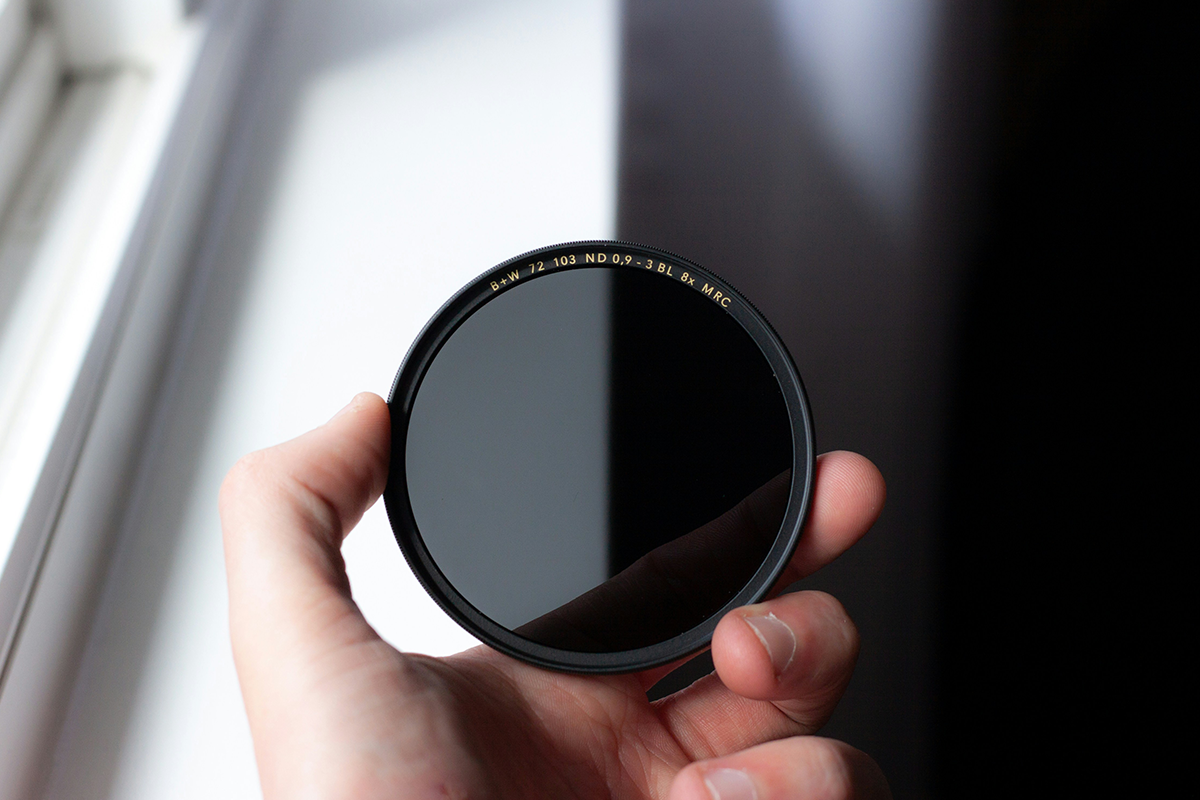
If you shoot outdoors, the answer is yes.
- For photographers, they open up creative possibilities with motion and depth of field.
- For videographers, they help maintain natural-looking motion and professional results in bright conditions.
Whether you're creating cinematic films, photographing landscapes or producing content for social media, an ND filter gives you greater creative control without changing your camera or lens.
Need help choosing?
Not sure which ND filter is right for your lens or shooting style?
The Go-To Guys at Outdoorphoto, can help you choose the right filter based on your camera, lens and the type of photography or videography you do, so you get the best results every time.
Want to see ND filters in action? Watch our YouTube video for a practical guide to choosing and using ND filters.