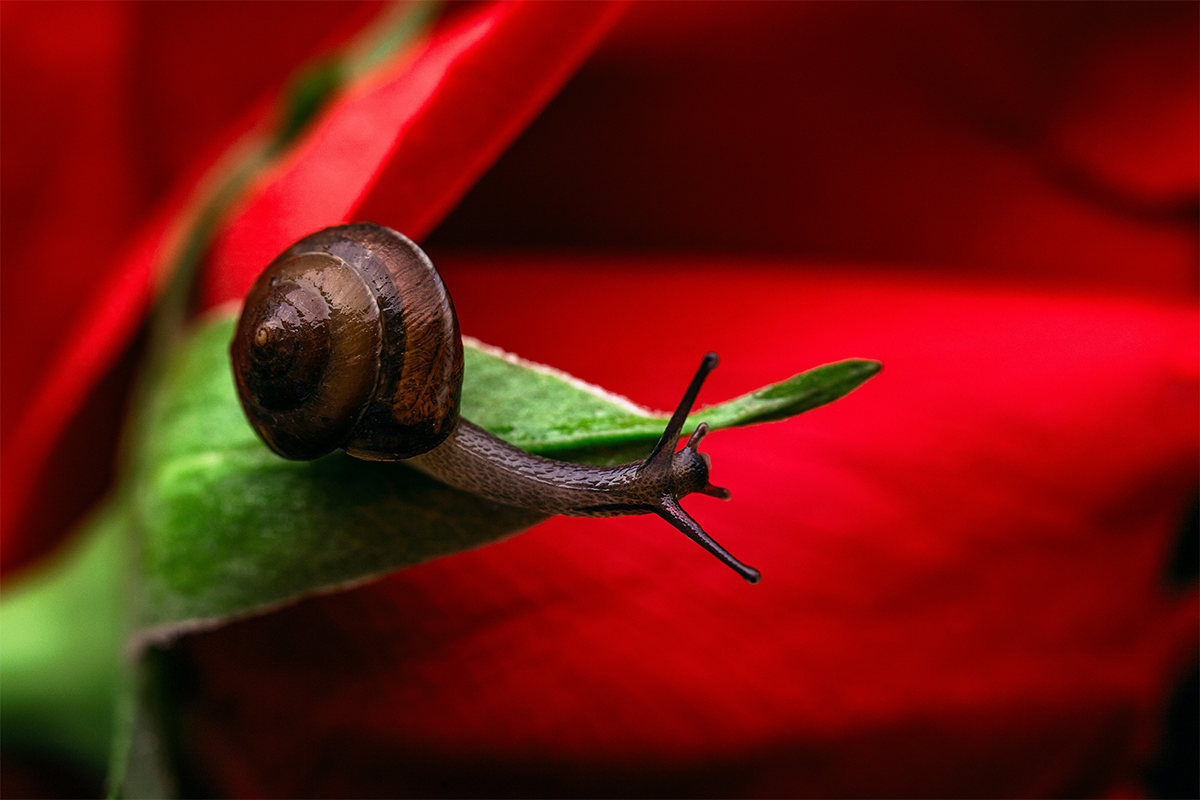
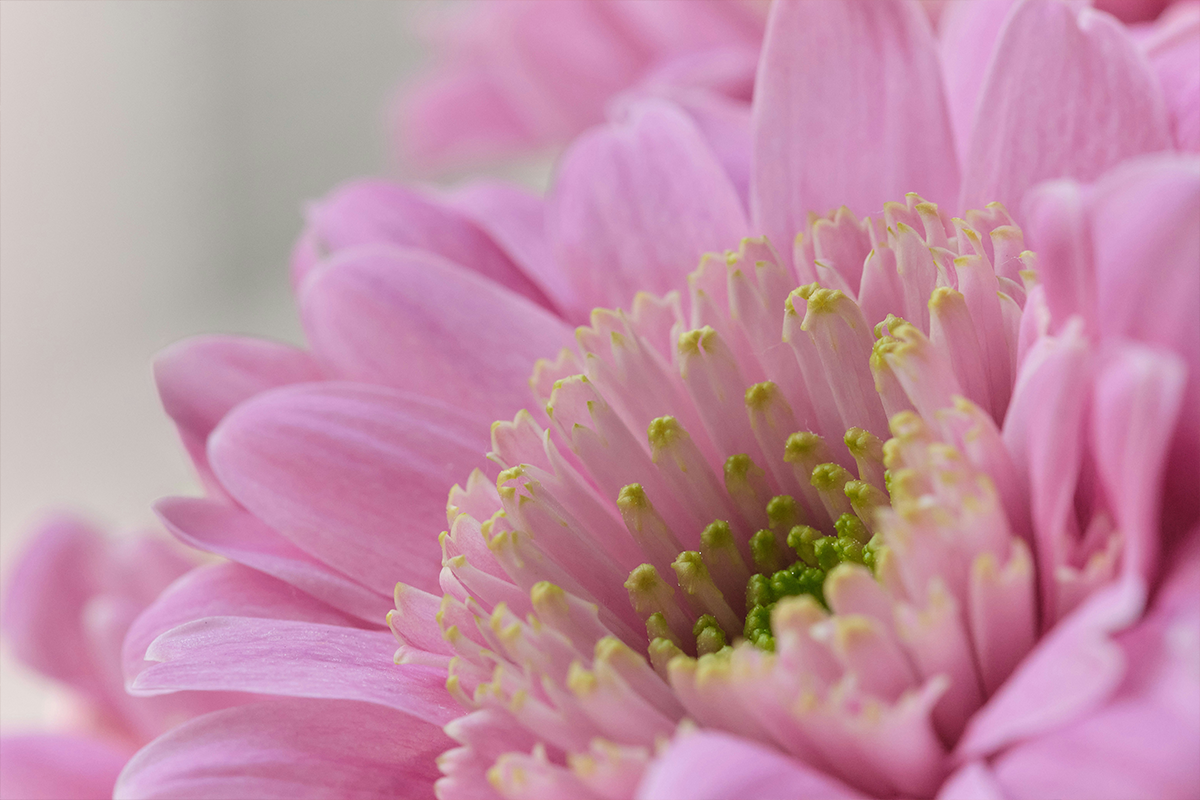
Macro photography opens up a world that often goes unnoticed. From the intricate patterns on an insect's wings to the delicate textures of flower petals, it allows photographers to capture subjects in extraordinary detail.
Whether you're photographing nature, products, food, or creative still-life scenes, understanding the fundamentals of macro photography can help you achieve sharper, more compelling images.
What is Macro Photography?
Macro photography is the art of photographing small subjects at close distances, revealing details that are difficult to see with the naked eye.
A true macro lens offers a 1:1 magnification ratio, meaning the subject is projected onto the camera's sensor at life size. In simple terms, a 10mm insect will appear as a 10mm image on the sensor.
While close-up photography and macro photography are often used interchangeably, true macro photography is defined by this ability to reproduce subjects at life size.
Essential tips for better macro images
Get close, but stay comfortable
Macro lenses are designed to focus much closer than standard lenses. However, the ideal working distance depends on your subject.
Longer focal lengths provide more distance between you and your subject, making them particularly useful when photographing insects or other subjects that may move easily.
Focus carefully
At high magnifications, depth of field becomes extremely shallow. Even slight movements can shift focus away from your intended subject.
Many macro photographers prefer using manual focus, especially when working with stationary subjects.
For the sharpest results:
- Focus on the eyes when photographing insects.
- Use focus peaking if your camera offers it.
- Consider a tripod for added stability.

Use more light
As magnification increases, less light reaches the sensor. This often requires slower shutter speeds, higher ISO settings, or additional lighting.
Helpful lighting options include:
- Reflectors
- LED panels
- Macro flashes
- Ring lights
Good lighting not only improves exposure but also enhances texture and detail.
Watch your background
Busy backgrounds can distract from small subjects.
Try changing your shooting angle, increasing the distance between your subject and the background, or using a wider aperture to create smoother background blur.
Best macro lenses to consider
Choosing the right macro lens depends on your camera system, working distance needs, and what you plan to shoot most often. Below are strong, proven options across different focal lengths.
35mm-60mm Macro Lenses
Ideal for:
- Product photography
- Food photography
- Still life
- Studio work
Advantages:
- Compact and lightweight
- More affordable entry into macro photography
- Versatile for everyday shooting
Another advantage of many macro lenses in this focal length range is that they are prime lenses. Prime lenses feature a fixed focal length, which often allows for superior optical performance, excellent sharpness, and wider maximum apertures compared to zoom lenses. For macro photographers, this translates into greater detail, improved low-light capabilities, and beautifully rendered background blur when isolating subjects.
Recommended lenses:
These shorter macro lenses are practical for controlled environments where you can get physically close to your subject and manage lighting easily.
90mm-105mm Macro Lenses
Ideal for:
- Flowers
- Insects
- General outdoor macro photography
Advantages:
- Comfort
- Strong balance between reach and portability
- Easier to light and compose subjects without disturbing them
Recommended lenses:
- Canon RF 100mm f/2.8L Macro IS USM
- Sigma 105mm f/2.8 DG DN Macro Art (Sony E mount)
- Tamron 90mm f/2.8 Di III VXD Macro (Nikon Z)
This is the most versatile macro range and the one most photographers start with. It handles both studio and outdoor work well.
Macro photography encourages photographers to slow down, observe details, and see familiar subjects from a completely different perspective.
With the right lens, careful focusing, and good lighting, even the smallest subjects can become striking images. Whether you're exploring nature, creating product content, or experimenting with close-up techniques, macro photography offers endless opportunities to refine your skills and discover new creative possibilities.