When most people build up their photography portfolio, they picture crisp, split-second moments frozen in utmost detail. While sharp, reliable photos show off your professional skills to customers, learning the art of long-exposure event photography can make your photos radiate with life, setting your work apart from the rest.
This guide will teach you the tips you need to master the shutter drag and why you should add it to your events portfolio in 2026.
What is long exposure photography?
Popularised by landscape photographers, long-exposure photography is commonly used to capture silky smooth water or trails of stars across the night sky.
It’s achieved by shooting with a long shutter speed, which keeps the sensor exposed and blurs the movement that occurs between its opening and closing.
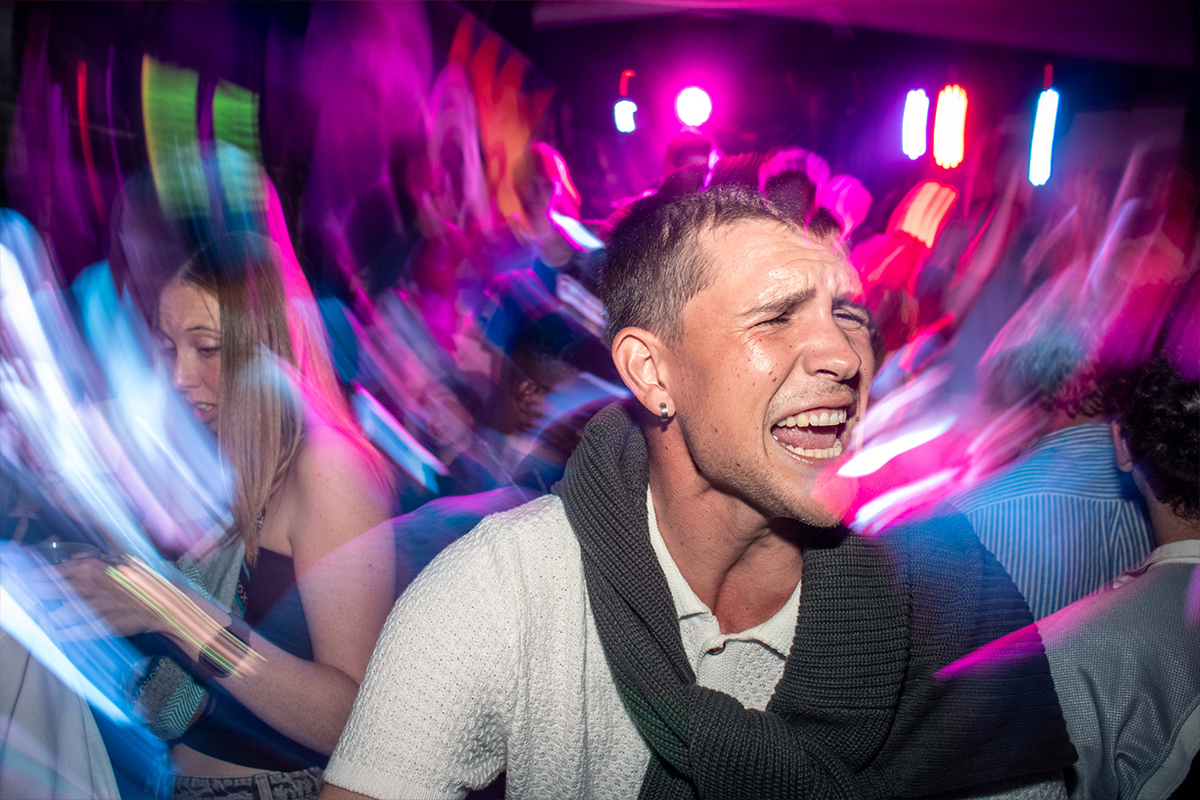
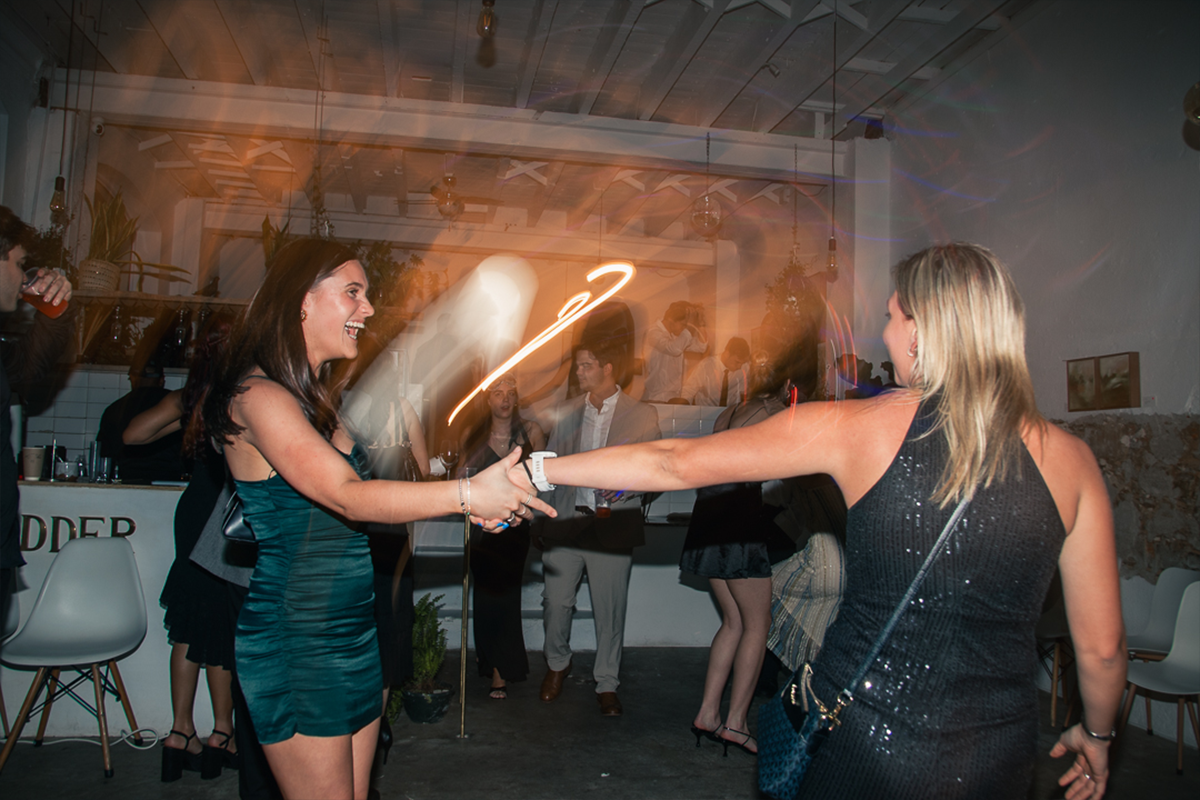
In event photography, it’s used to emphasise the energy of a chaotic night, or as I like to call it, Capturing the Vibe.
When should you use it?
When mastering a new skill, it’s easy to get carried away and forget to practice all the other skills you’ve been learning, but there are clear times when to and when not to use a long shutter speed at your events.
Some photographers suggest spending 50 percent of the event capturing safe standard shots and the remaining 50 percent capturing creative experiments.
Ultimately, shutter drag should be used to capture the motion and energy of a night, making it the perfect tool for a packed and busy dance floor, not so great for a teary-eyed speech or intimate moment.
In short, keep your photos sharp for the stuff you can’t miss and let the blur creep in as everyone loosens up on the dance floor.
Why it is a great skill to understand
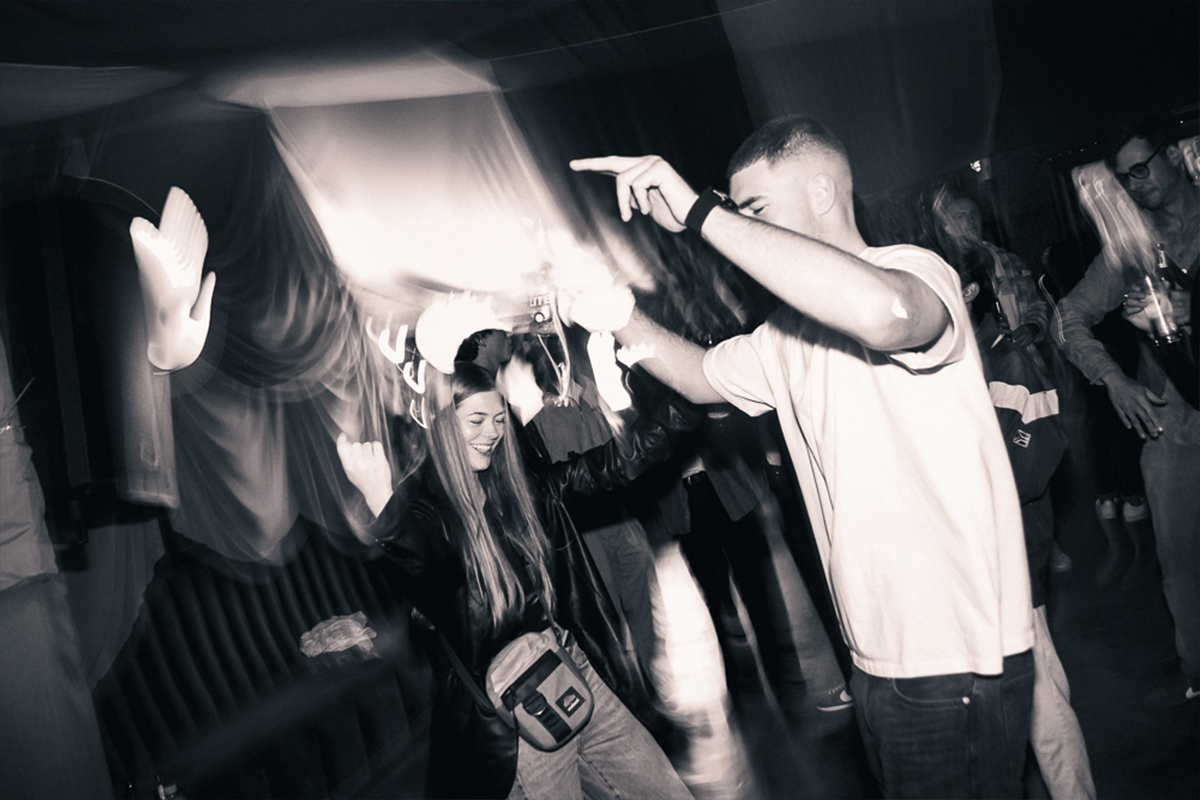
In 2026, the everlasting event photography trend seems to be candid, imperfect photography. Customers are constantly on the lookout for a photographer whose work stands out and doesn’t just capture moments but the feeling of being in the moment.
Understanding how to use creative photography is the best way to immerse your customers in their images and make lasting impressions on their friends and family leading, to future referrals.
So how do you do it?
When you feel like you’ve found the right moment, get creative and follow the steps below:
- Dial in your base settings by setting your aperture to around f/6 and your shutter speed to between 1/8 th and 1/15 th of a second.
- Find your ambient light by adjusting your ISO until you can see the venue’s ambient glow.
- Configure your flash. Turn on your speedlight and set it to its widest zoom. I find setting my flash to ETTL works great, but just make sure your flash is only hitting your subject to avoid a washed-out background.
- Snap away. Hold down the shutter and give your camera small shakes, twists or subtle pans. The flash will freeze your subject while the slow shutter speed drags the ambient light into vibrant streaks.
Finally, let loose. Try different settings and embrace the energy of the night. Busting a move and enjoying the party while snapping photos is the best secret to capturing candid, natural smiles and truly authentic moments.
Written by Connor Leech