Winter is one of the most rewarding seasons for outdoor photography. The light is softer, the air is clearer, and scenes often feel more structured and minimal. But the conditions are also less forgiving. Cold weather, limited daylight, and unpredictable environments can quickly impact both your results and your gear.
Here’s how to approach winter shooting with control and confidence.
Protect your gear from cold and moisture
Cold environments are tough on electronics and batteries.
Keep this simple and consistent:
- Carry spare batteries and keep them warm in a jacket pocket
- Avoid rapid temperature changes to reduce condensation
- Use lens hoods and weather protection where possible
- Let gear acclimatise before moving indoors after shooting
Moisture is usually the bigger risk than cold itself.
Exposure needs active control
Snow, frost, and bright winter skies can easily confuse your camera’s metering.
To stay in control:
- Watch your histogram, not just the LCD
- Expect to dial in positive exposure compensation in snowy scenes
- Protect highlights first, especially in bright reflections
- Shoot RAW to recover subtle detail later
Winter scenes often trick cameras into underexposing. Trust your read, not automation.
Keep batteries efficient and shooting efficient
Cold drains power faster. At the same time, your working speed matters more.
Practical approach:
- Switch off Wi-Fi and unnecessary features
- Avoid excessive playback review
- Shoot in short bursts instead of continuous power drains
- Keep one battery active, one backup warm
Efficiency equals more usable shooting time outdoors.
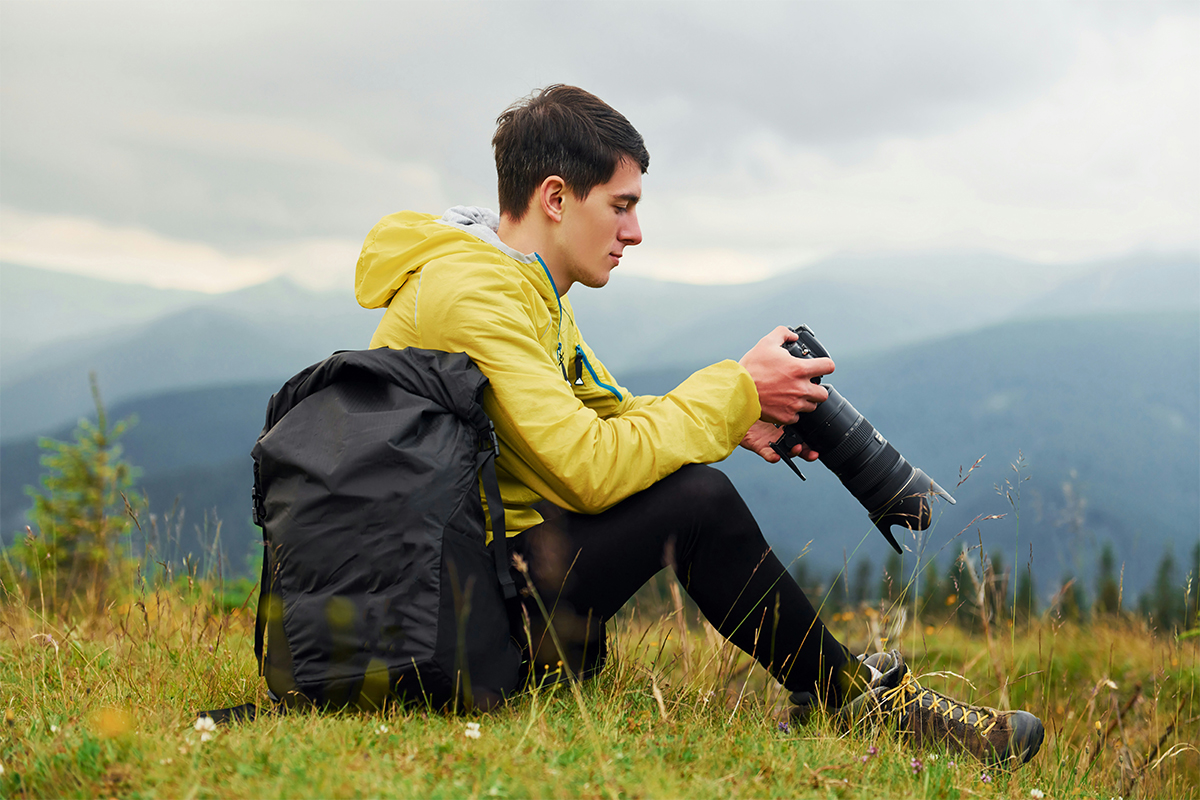
Work with winter light, not against it
Winter light behaves differently. The sun sits lower, shadows stretch further, and contrast is naturally reduced during overcast days.
Use this to your advantage:
- Shoot earlier or later in the day for directional light
- Embrace overcast conditions for even, soft exposure
- Look for contrast in textures like frost, bare trees, and wet surfaces
You don’t need perfect weather. You need to focus on composition.
Composition becomes more important in minimal scenes
Winter landscapes often remove visual clutter. That’s a good thing, but it puts more pressure on composition.
Focus on:
- Strong foreground elements (rocks, fences, vegetation)
- Leading lines in roads, rivers, or paths
- Negative space to isolate subjects
- Clean framing without unnecessary distractions
When colour is reduced, structure becomes your strongest tool.
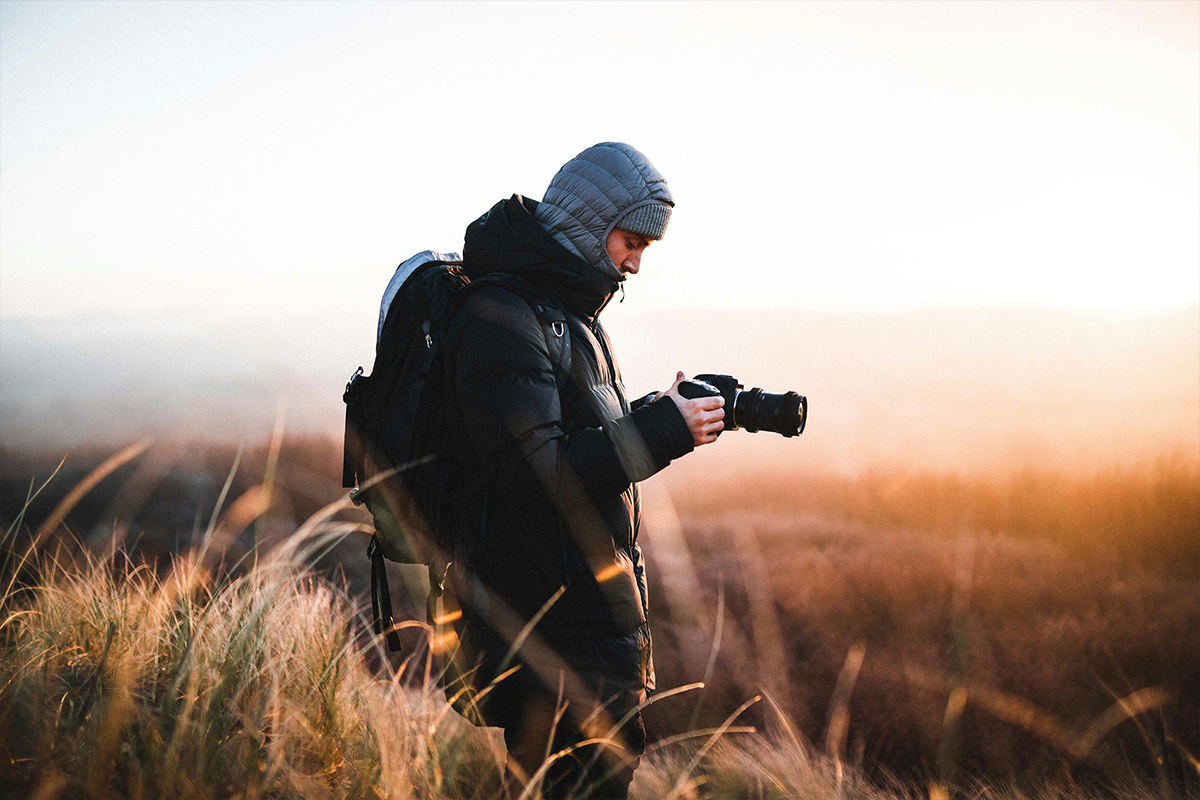
Use winter conditions creatively
Don’t treat winter as a limitation. Treat it as a visual style.
Look for:
- Frost detail on grass and surfaces
- Mist and fog for depth separation
- Backlit breath in cold air for wildlife or people
- Monochrome opportunities in black and white conversions
Winter rewards patience more than speed.
Winter outdoor photography is less about endurance and more about preparation. The photographers who get the best results aren’t necessarily the ones with the best conditions, they’re the ones who understand how to adapt quickly and work with what the environment gives them.
Keep your setup simple, your exposure deliberate, and your composition intentional. The results take care of themselves from there.