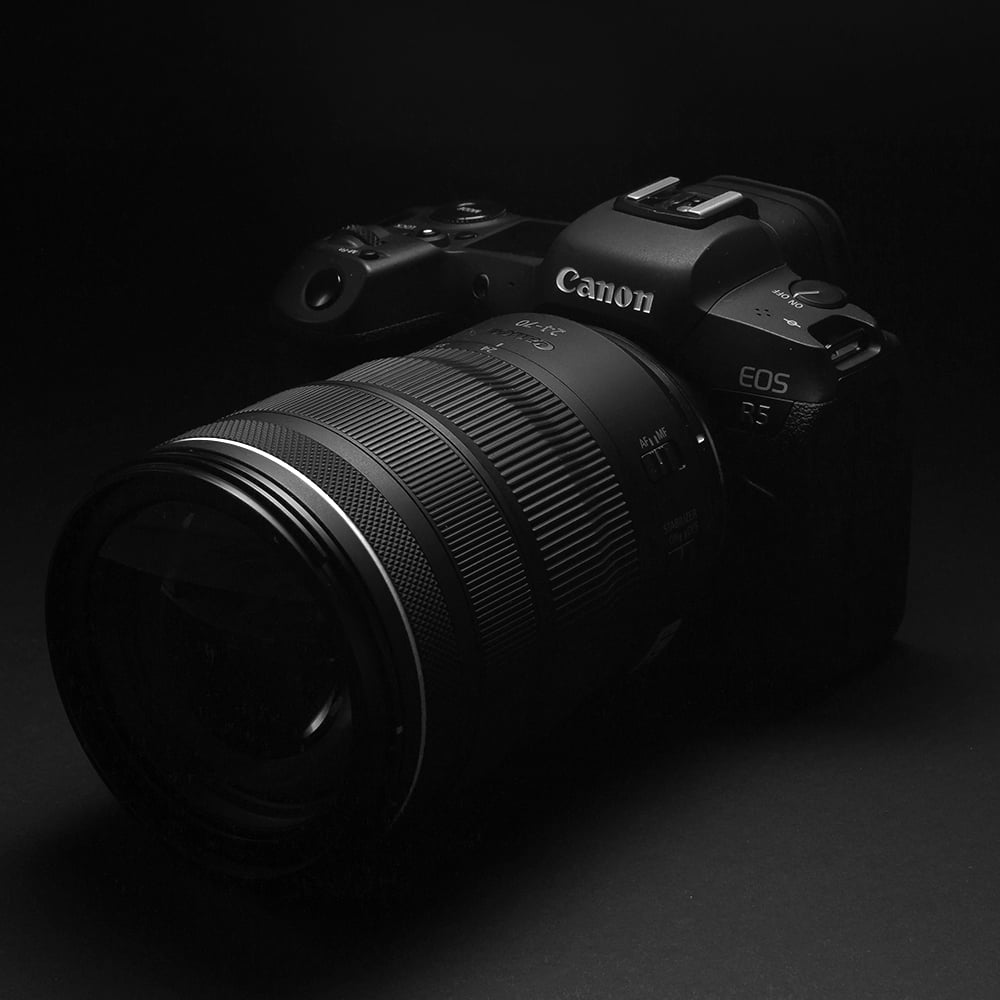
This is one of the biggest questions photographers ask when they start upgrading their gear. Full-frame or crop sensor? Bigger sensor or more affordable body? Better image quality or better reach?
Watch this video by Gunther for a quick overview: Full-Frame vs Crop Sensor
The truth is, the difference isn’t just technical. It changes the way you shoot, the way your photos look, and the kind of photography you enjoy.
Let’s break it down properly.
First: What is the real difference?
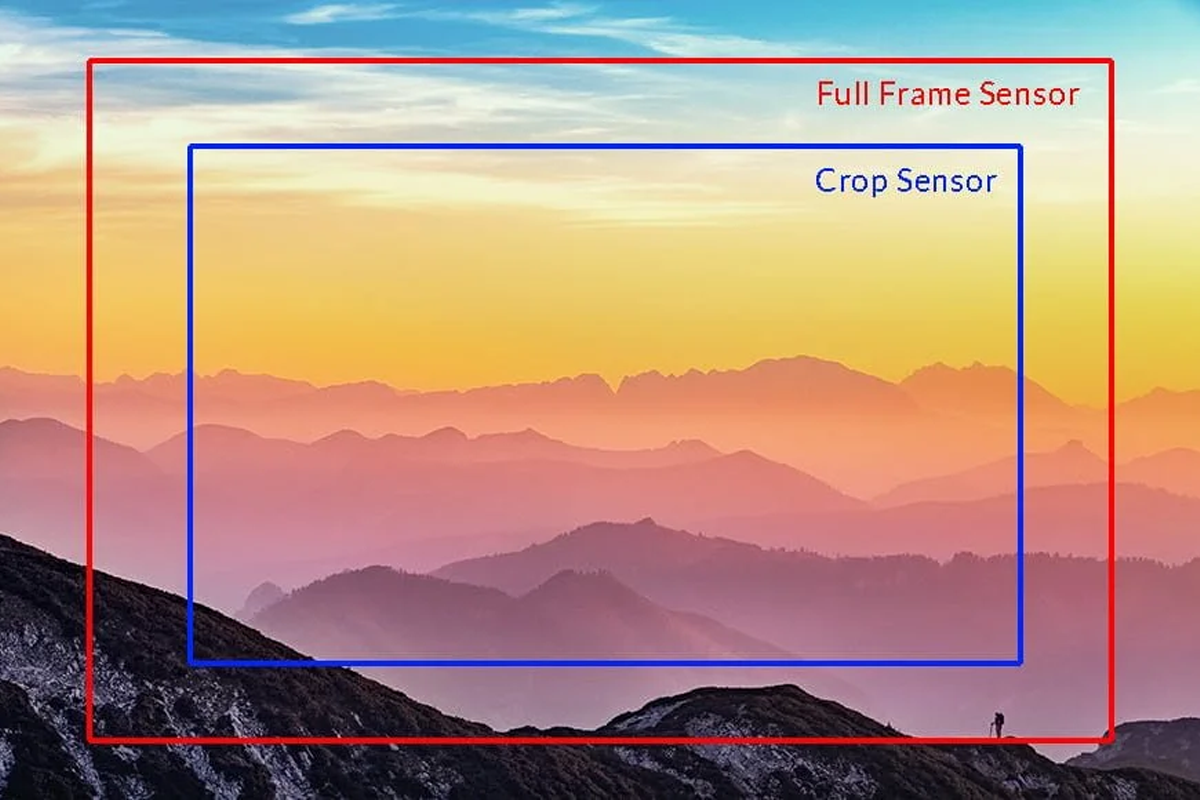
A full-frame camera uses a sensor that is the same size as the old 35mm film. That means roughly 36 × 24mm. A crop sensor is smaller than that, usually around 1.5× smaller (or 1.6× on some Canon cameras).
That size difference sounds small on paper, but it affects three important things:
- Your field of view
- Your low-light performance
- Your depth of field
And those three things completely change how your images look.
How it affects what you actually see in your photo
Let’s say you use a 50mm lens on both cameras.
- On a full-frame camera, you get the true 50mm look. Wider, more natural, and closer to how your eye sees the scene.
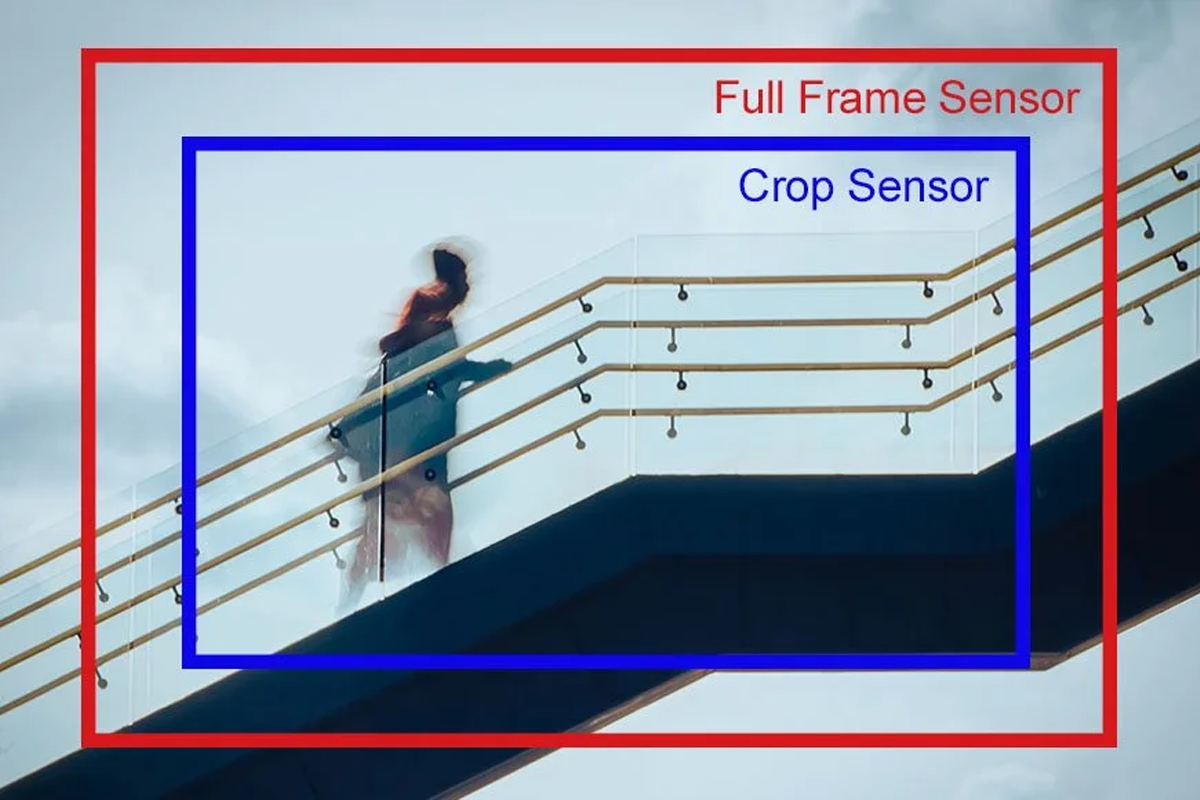
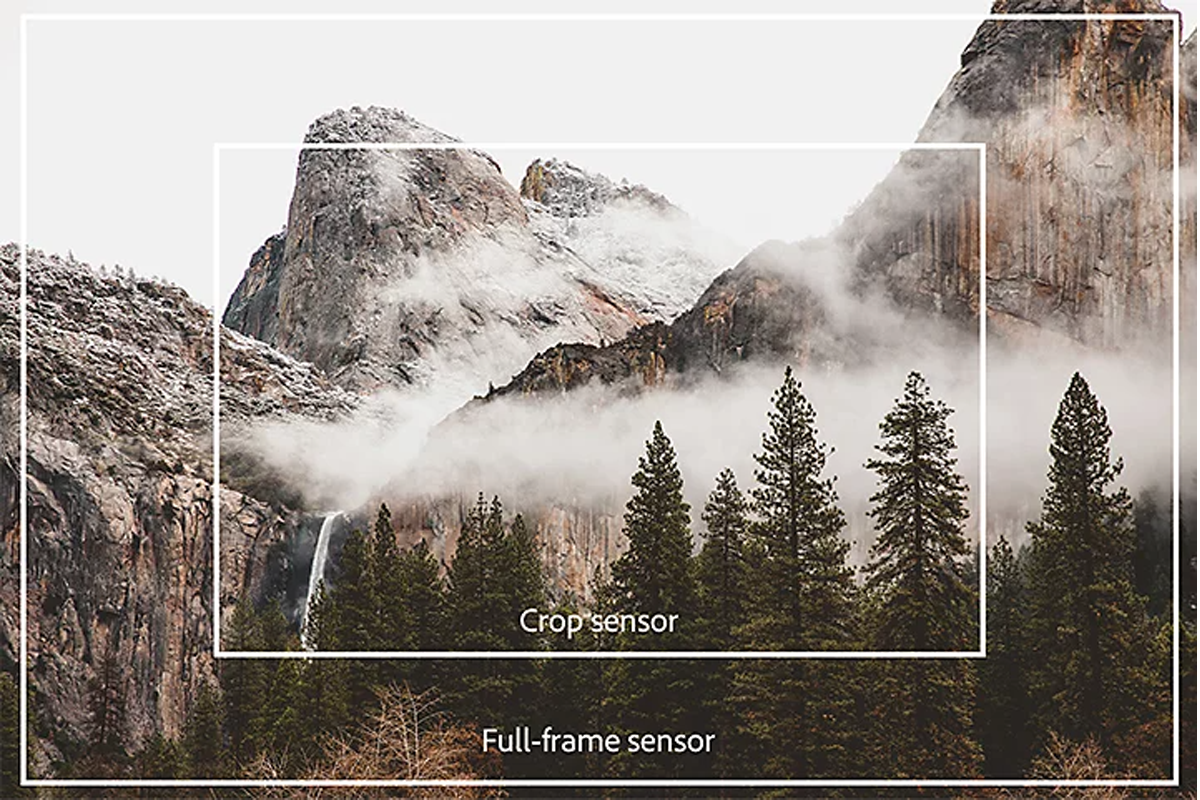
- On a crop sensor, the image looks tighter. It feels closer to the subject, almost like you zoomed in, even though you didn’t. This is what photographers call the crop factor.
For example:
- 50mm on full-frame = 50mm
- 50mm on crop sensor ≈ 75mm (depending on the brand)
That’s why crop sensor cameras are often loved by wildlife and bird photographers. You feel closer to your subject without needing a bigger lens.
But there’s a trade-off.
Where full-frame really makes a difference
Full-frame sensors handle light better. That means:
- Cleaner photos in low light
- Less noise at high ISO
- Better dynamic range
- Stronger image quality when you print large
This becomes obvious when you shoot in real-world situations:
- Indoor events
- Late afternoon light
- Weddings
- Portrait sessions
- Any situation where light isn’t perfect
A crop sensor can absolutely still produce great photos. But full-frame gives you more flexibility when conditions aren’t ideal.
The depth of field difference
This is something many photographers don’t realise until they actually compare the two.
With a full-frame camera, it’s easier to get that soft background look. The subject stands out more, and the background fades more naturally.
With a crop sensor, the background still blurs, just not as strongly at the same settings.
So if you shoot:
- Portraits
- Couples
- Content creation
- Lifestyle photography
You’ll notice the difference quite quickly.
So which one is actually better?
This is where most articles try to give one final answer. But the truth is more practical than that.
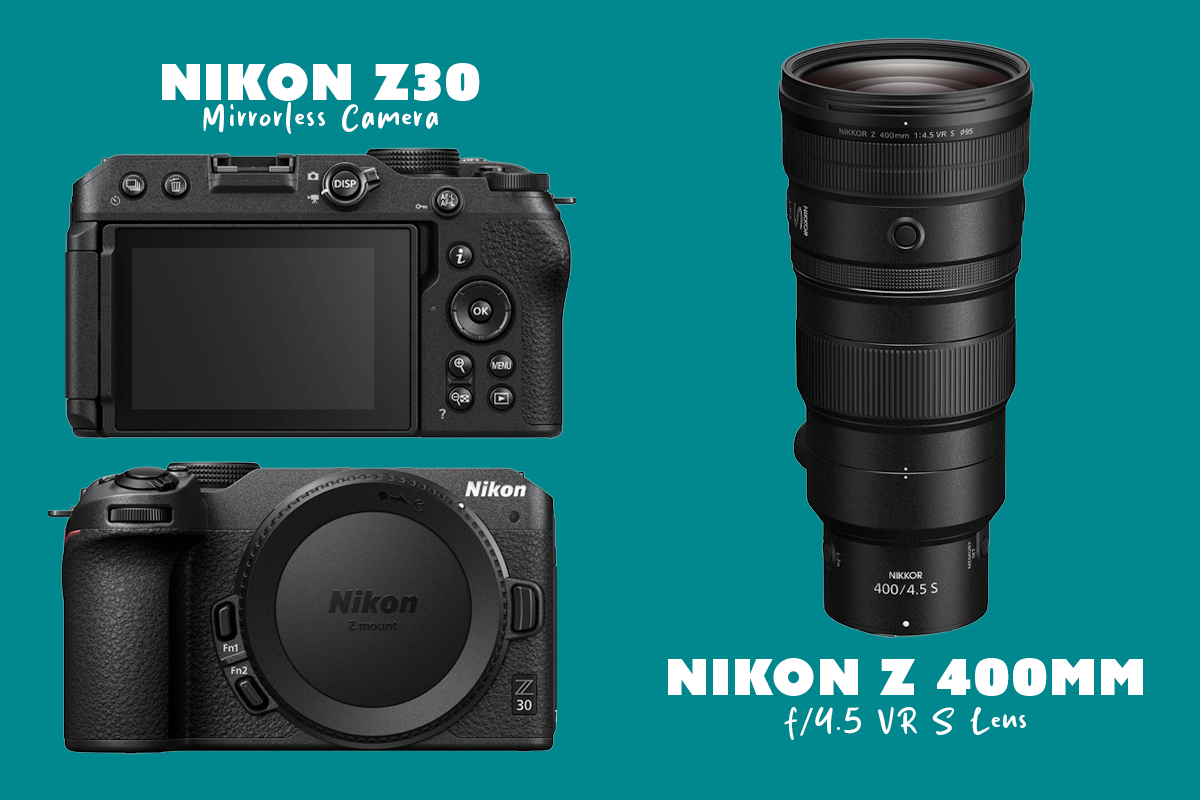
If you shoot wildlife, birds, or sport; crop sensor can help you. The tighter field of view makes long lenses feel more powerful, and the gear is usually lighter and more affordable. Just keep in mind that when it comes to large prints, crop sensors may show their limits compared to full-frame cameras.
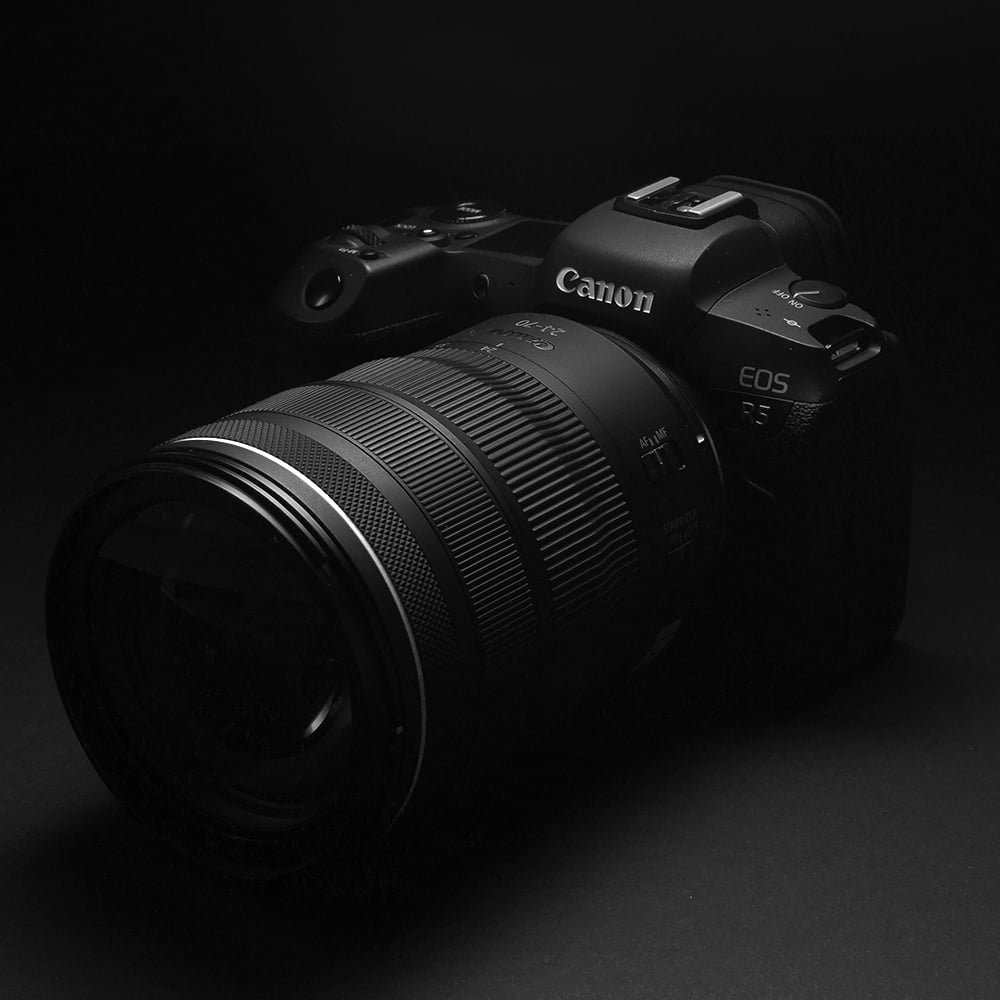
If you shoot portraits, events, weddings, or content; full-frame gives you better low-light performance and more control over how your images look.
And if you’re thinking long-term, the real question isn’t full-frame vs crop sensor.
It’s this:
What type of photographer do you want to become in the next two years? Because the camera you choose now shapes the way you shoot later. Both systems are good. Both can produce professional-level images.
The difference comes down to how you shoot and what matters most to you.
Crop sensor gives you reach, affordability, and lighter gear. Full-frame gives you flexibility, better low-light performance, and stronger image quality overall.
The best camera isn’t always the most expensive one. It’s the one that fits the way you actually shoot.