Coastal environments are unpredictable, and that’s exactly what makes them powerful to shoot. Light shifts fast, weather changes the mood in seconds, and every wave reshapes the frame. Success here comes down to reading conditions quickly and making deliberate choices instead of chasing perfect moments.
Understand coastal light first
Coastal environments can change fast. Light is your biggest variable.
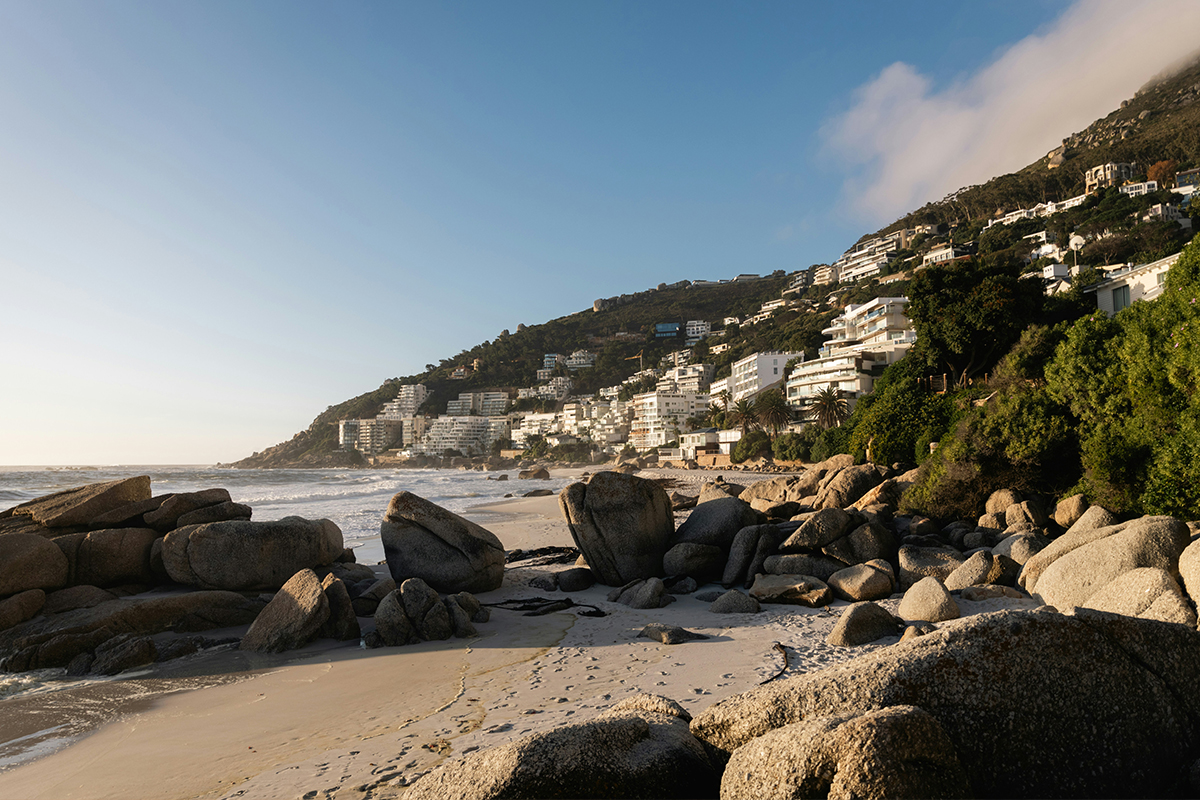
Early morning and late afternoon give you the most control. The sun is lower, contrast is softer, and colours carry more depth.
Midday coastal light is harsh; it flattens detail and pushes highlights quickly. If you have to shoot then, focus on composition and exposure discipline rather than expecting rich tones.
 Protect your exposure from bright skies
Water and sand reflect a lot of light. Your camera will often underexpose the subject if you let it meter automatically.
Use exposure compensation or manual mode to protect highlights in the sky. Once highlights are blown out, they’re gone.
A good rule: expose for the brightest part of the scene you want to keep detail in, then lift shadows in post if needed.
Use shutter speed purposefully
Coastal scenes give you movement opportunities: waves, wind, people, and birds.
- Fast shutter speeds freeze crashing waves and spray.
For example: 1/1000s - 1/2000s will freeze water droplets and birds in flight. - Slower shutter speeds smooth water for a calmer look.
For example: 1/10s - 1/2s will start softening wave movement while keeping some texture. - Very slow exposures create mist-like motion in surf.
For example: 1s - 10s+ will turn waves into a soft, fog-like flow across the rocks and beach.
Use shutter speed with purpose. Don’t treat it as a default setting.

Control your composition with simplicity
Coastal scenes can become visually busy very quickly.
Strong results usually come from:
- Clean horizons
- A clear focal point (rock, pier, subject, or wave action)
- Negative space from sky or water
If the frame feels cluttered, remove elements rather than adding more.
Watch your horizon line
A slightly tilted horizon is one of the most common mistakes in coastal photography.
Level it in-camera when possible. If not, correct it in post, but avoid cropping too aggressively. You lose valuable resolution fast in wide seascapes.
Work with the weather, not against it
Different conditions produce completely different results:
- Clear skies: strong colour gradients and clean minimalism
- Overcast: even light, ideal for textures and long exposures
- Stormy conditions: high drama, movement, and contrast
- Post-storm: clean air, strong light, and defined waves
Don’t wait for perfect weather. Choose the story the conditions are already offering.
 Protect your gear properly
Salt, sand, and wind are constant risks.
Practical precautions:
- Change lenses with your back to the wind
- Always keep a microfibre cloth accessible
- Avoid placing gear directly on sand
- Clean thoroughly after every shoot
Coastal environments are hard on equipment. Discipline here extends gear lifespan significantly.
Coastal photography is less about chasing perfect conditions and more about adapting quickly. Light, movement, and weather are always changing. The photographers who consistently get strong results are the ones who read the environment and respond, not fight it.