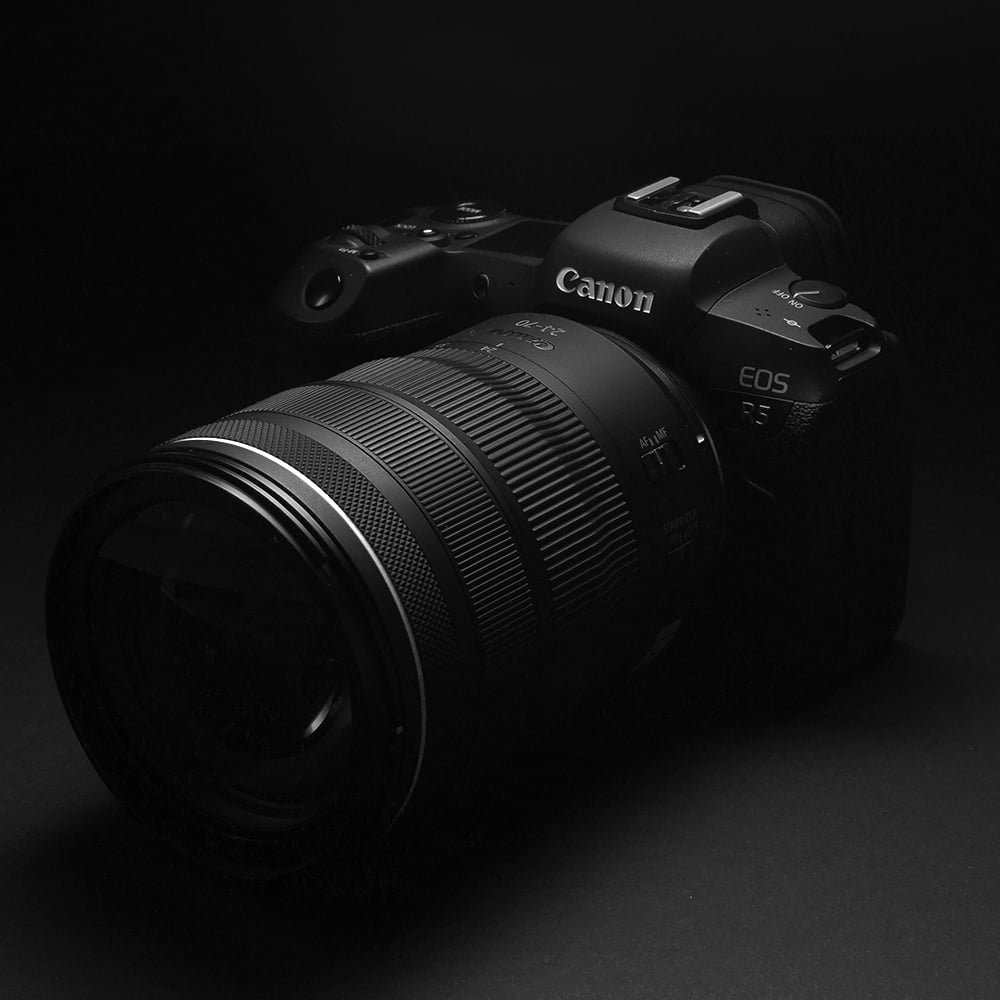
Aperture is one of the core controls in photography. It shapes how much light enters your lens and how your image looks in terms of focus and depth.
Once you understand it properly, your images become more controlled, consistent, and intentional.
What aperture actually does
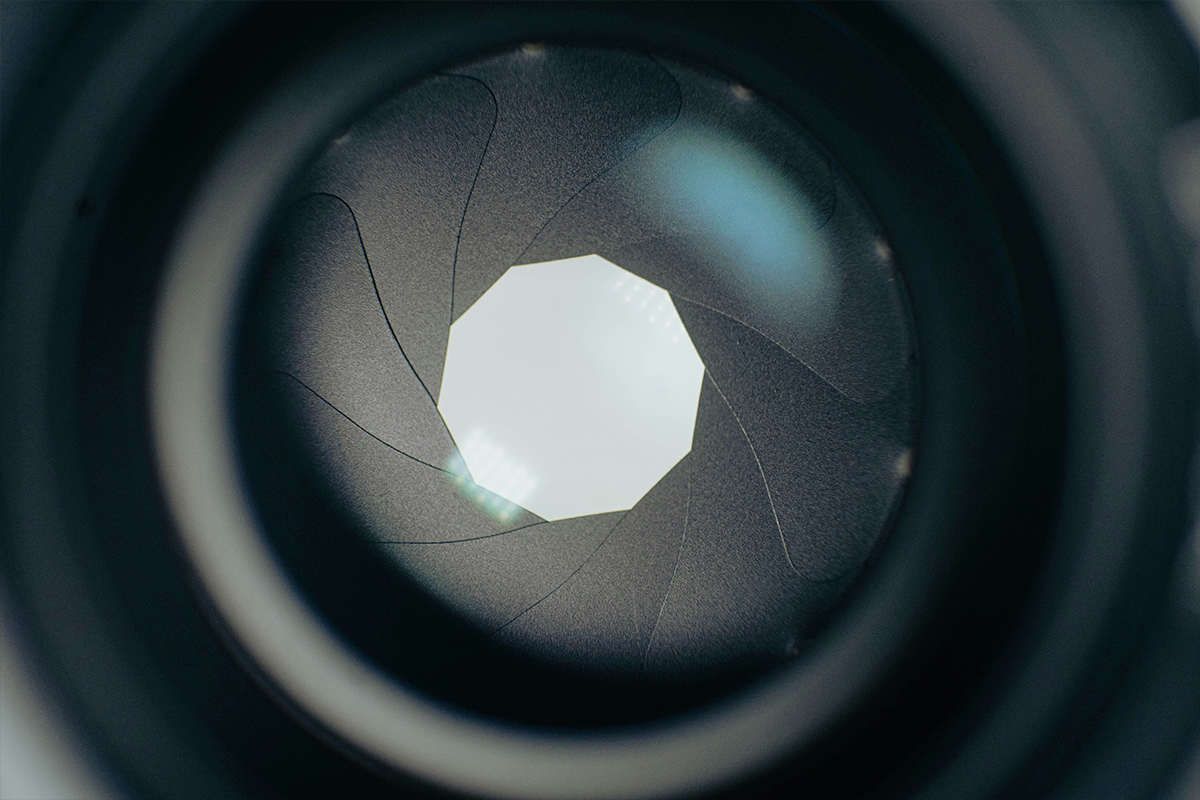
Aperture is the opening inside your lens. It controls how much light reaches your camera sensor. The amount of light that reaches the sensor affects how bright or dark your image appears. More light creates a brighter exposure, while less light results in a darker image. Aperture also influences depth of field, determining how much of your scene appears sharp and in focus.
It’s measured in f-stops, such as f/1.8, f/4, f/8, and f/16.
A simple way to think about it:
- Large aperture (small f-number) = more light
- Small aperture (large f-number) = less light
- This directly affects both exposure and depth of field.
Aperture and depth of field
Depth of field is how much of your image is in focus.

Wide aperture (e.g. f/1.8 - f/2.8):
- Shallow depth of field
- Strong background blur
- Ideal for portraits and subject separation
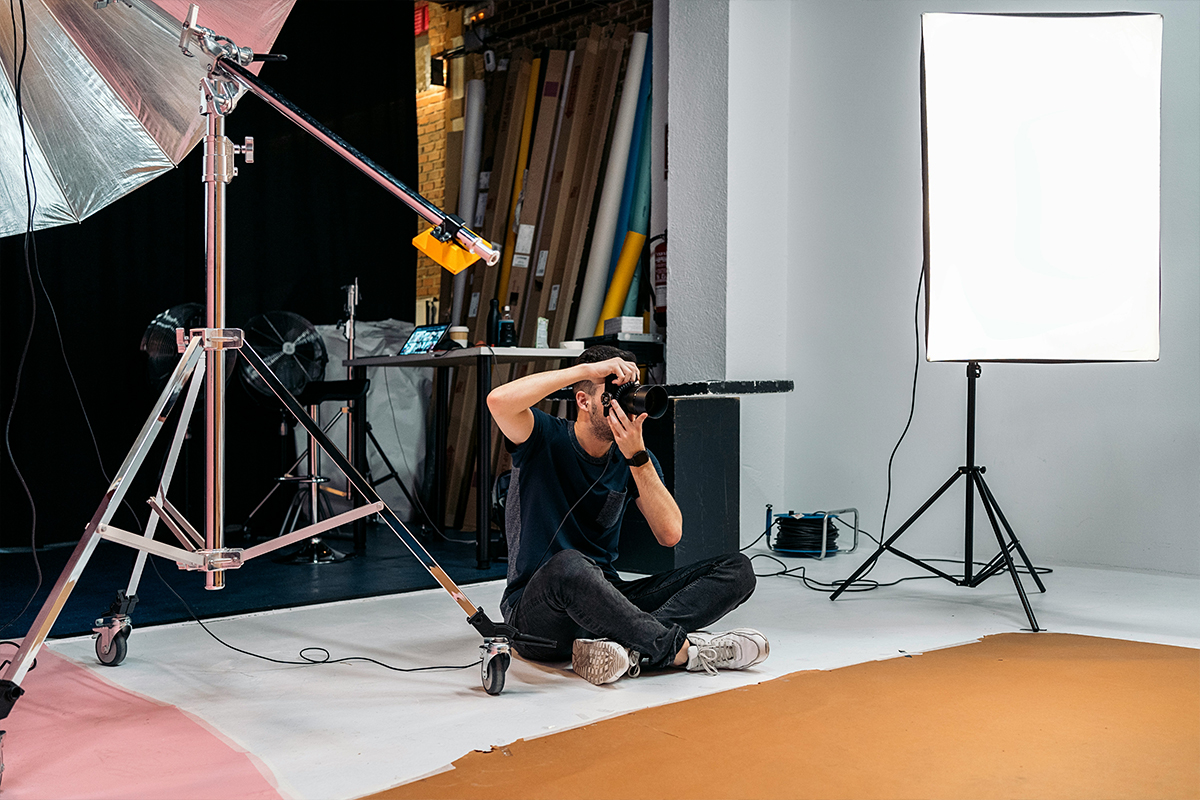
Mid-range aperture (e.g. f/4 - f/8):
- Balanced sharpness
- Good subject and background detail
- Ideal for general photography
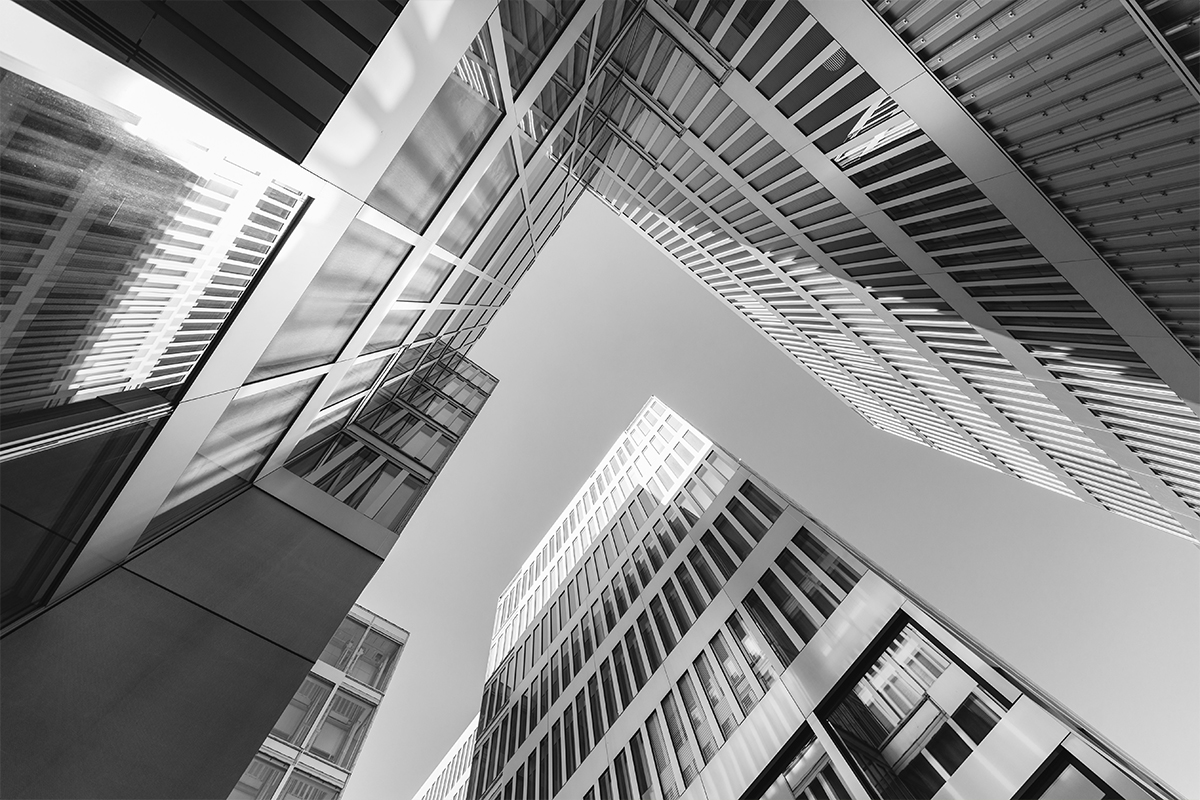
Narrow aperture (e.g. f/11 - f/16):
- Deep depth of field
- More of the scene in focus
- Ideal for landscapes and architecture
Your aperture choice should always match your subject, not just exposure needs.
Aperture and light control
Aperture is also a key exposure tool. In low light, a wider aperture helps you maintain faster shutter speeds and lower ISO. In bright conditions, a narrower aperture helps you control exposure and avoid overexposure. It works together with shutter speed and ISO. Not in isolation.
A frequent issue is choosing aperture based only on how bright or dark a scene is, rather than creative goal. This leads to inconsistent results and missed opportunities to control depth and subject separation.
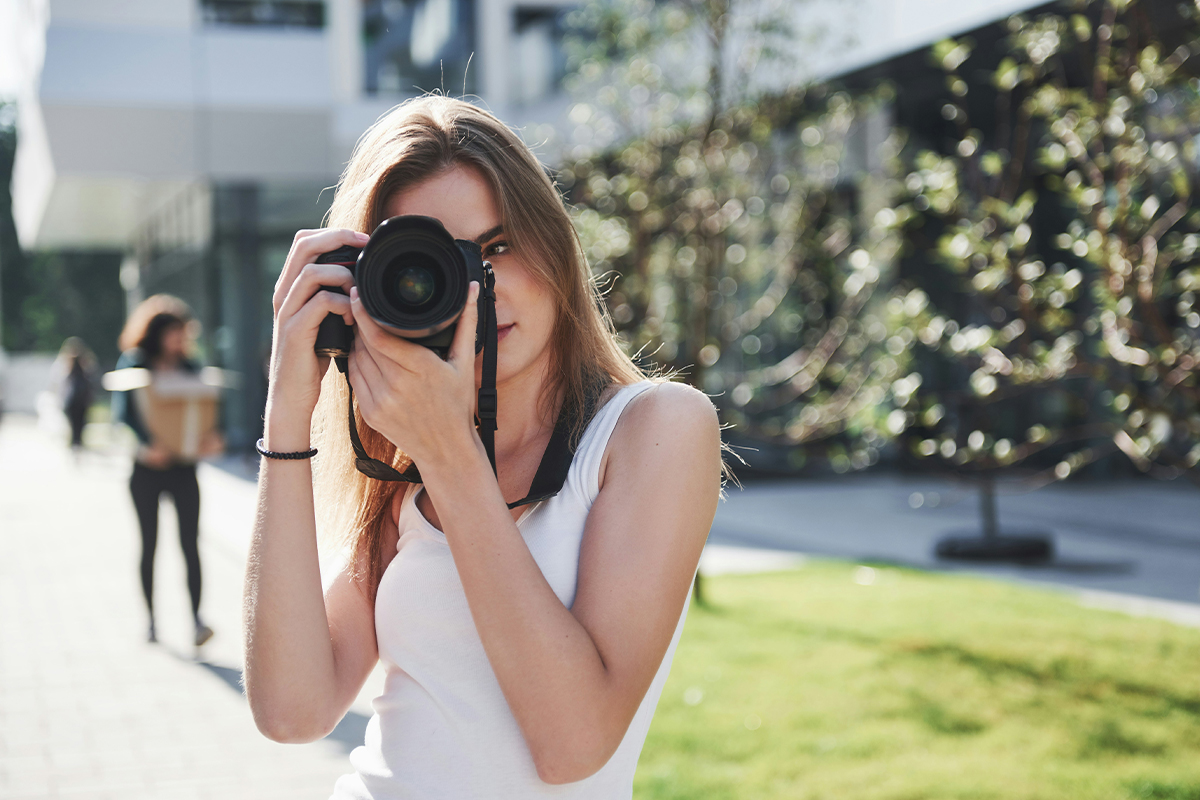
How to choose the right aperture
Use this as a quick field guide:
- Portraits: f/1.8 - f/2.8 for subject separation
- Events: f/2.8 - f/5.6 for flexibility and focus accuracy
- Landscapes: f/8 - f/16 for full scene sharpness
- Product work: f/5.6 - f/11 for controlled detail
There are no fixed rules, but there are reliable starting points.
Aperture is not just a technical setting. It’s a creative control point. Once you understand how it affects light and depth, you gain more control over how your images look, feel, and where the viewer’s attention goes.
If you're ready to take your photography knowledge further, our beginner-friendly photography workshops are a great place to start. You'll learn the fundamentals of your camera, exposure, composition, and practical techniques to help you shoot with confidence.