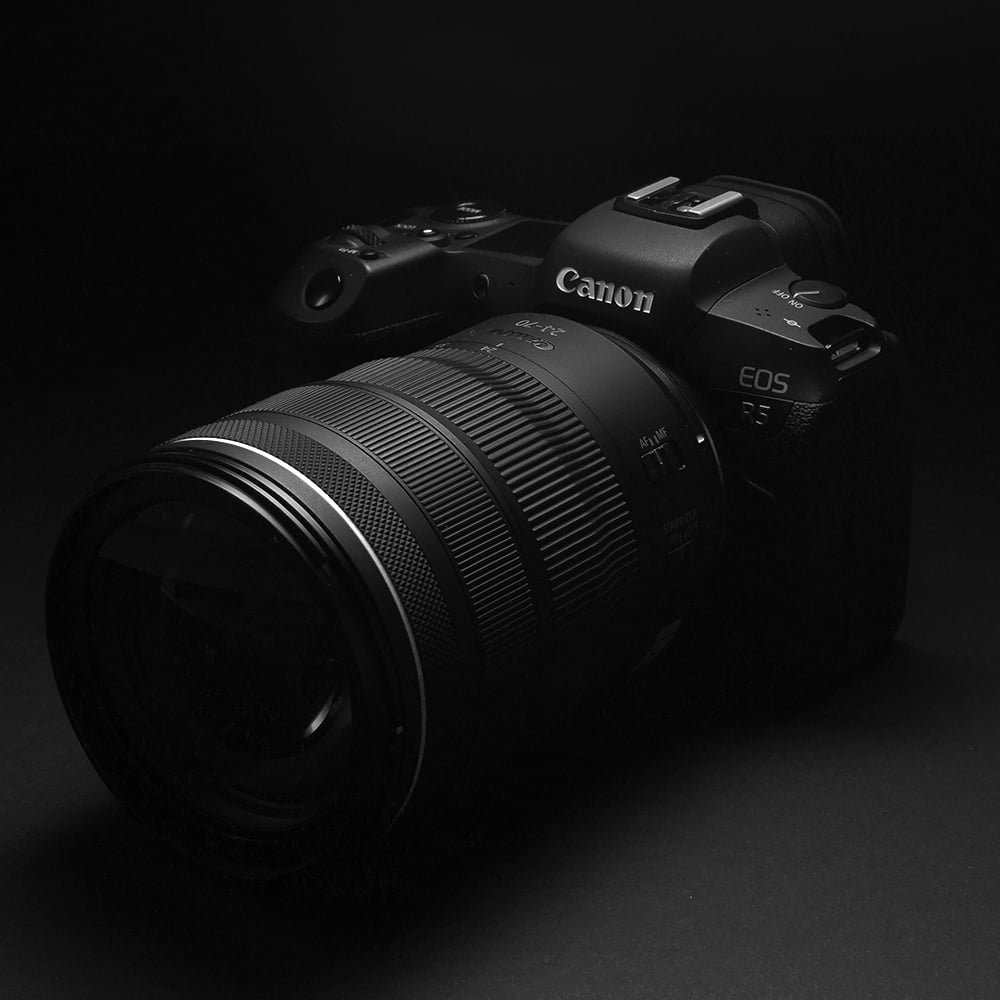
Cinematic work is not about expensive gear. It’s about control, intention, and consistency in how you use your camera. Small adjustments in how you shoot can immediately elevate your visuals from standard to cinematic.
Here are simple, real-world approaches you can start using immediately in your own work.
1. Prioritise natural movement
Cinematic footage feels alive because it moves with intention.
- Use slow, controlled camera movement
- Avoid sudden or unnecessary pans
- Let subjects move through the frame instead of chasing them
- Use gimbals or handheld stability only when it serves the scene
The goal is flow, not constant motion.
2. Think in layers, not flat frames
Depth is what separates basic footage from cinematic visuals.
- Place foreground elements to frame your subject
- Use mid-ground and background separation
- Shoot through objects (glass, foliage, doorways)
- Keep distance between the subject and the background where possible
This creates dimension and visual interest without extra gear.
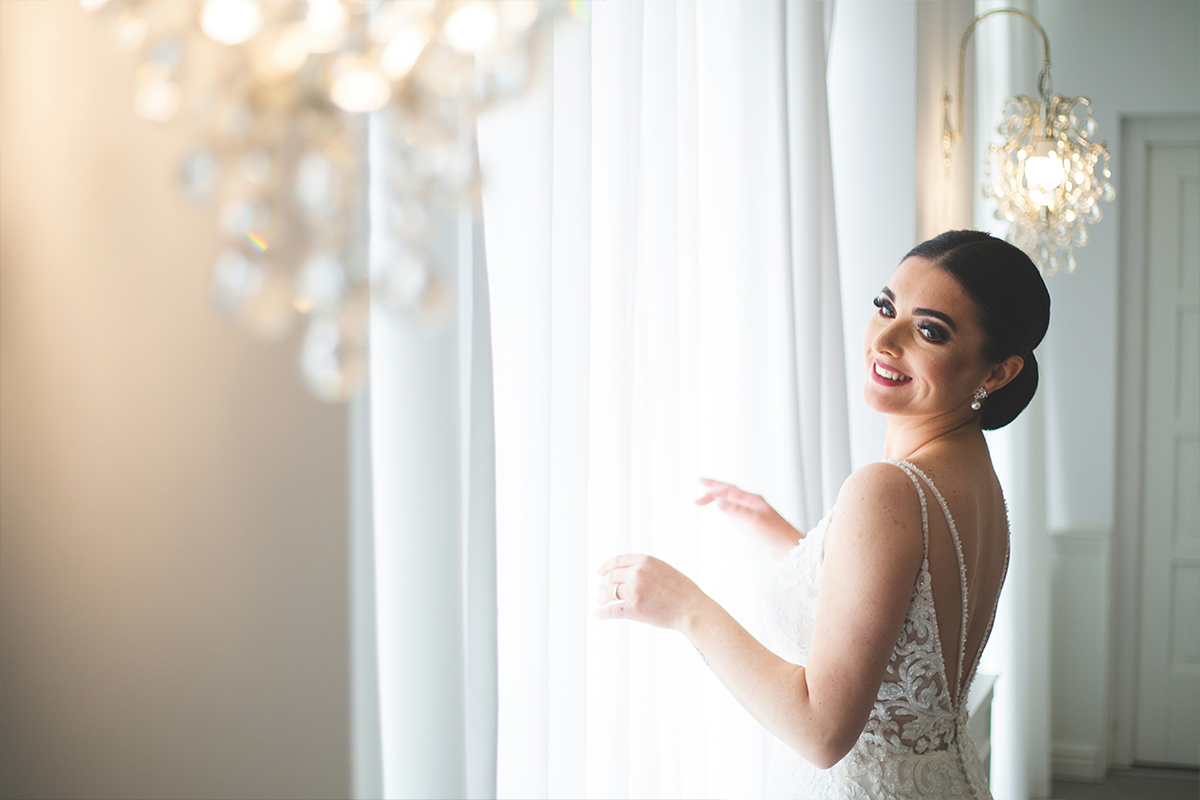
3. Control your lighting direction
Light defines mood more than any camera setting.
- Use side light for texture and depth
- Backlight when you want separation and glow
- Avoid flat, front-on light unless it’s intentional
- Work with shadows instead of eliminating them
Good lighting is about shaping, not brightening.
4. Lock in intentional framing
Every frame should feel considered.
- Stick to consistent composition rules (rule of thirds, centred symmetry when needed)
- Avoid clutter in the frame
- Give subjects space to “breathe” in the direction of movement or gaze
- Keep the horizons level unless the tilt is deliberate
Strong framing reduces the need for heavy editing later.
5. Shoot with slower pacing in mind
Cinematic editing starts the moment you start capturing. The way you move the camera, frame your shots, and pace your clips during filming directly affects how cinematic the final edit feels.
- Hold shots longer than you think you need
- Avoid cutting too early
- Capture reaction moments, not just actions
- Allow pauses in movement and expression
This gives you flexibility in post-production and improves storytelling.
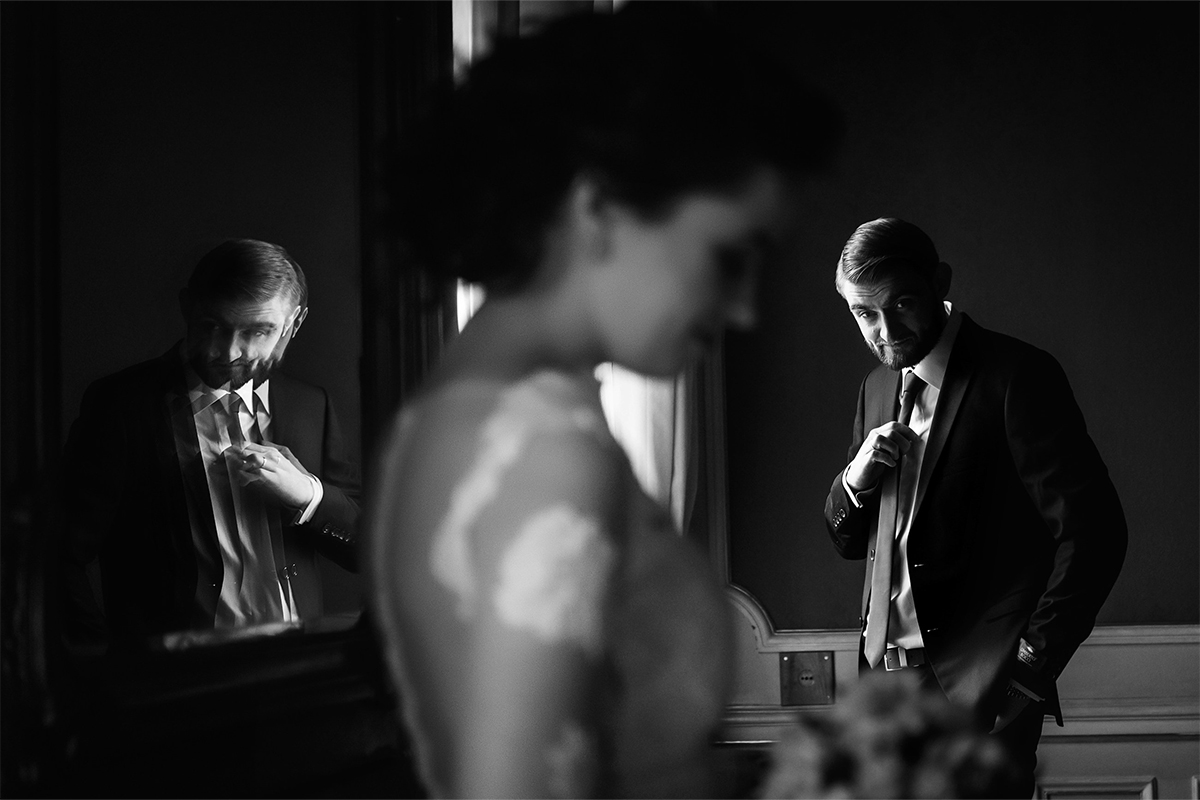
6. Be deliberate with depth of field
Depth of field guides attention.
- Use wide apertures for subject isolation
- Stop down your aperture when the environment matters to the story
- Don’t blur everything by default, blur with purpose
Blur should support the story, not replace it.
7. Keep colour consistent
Cinematic visuals rely on controlled colour.
- Avoid mixing multiple light temperatures
- Shoot in consistent lighting conditions where possible
- When it comes to wardrobe and the environment you’re shooting it, think about colour harmony.
- Keep grading subtle and intentional
Over-processing breaks realism quickly.
Cinematic shooting is built on discipline, not complexity. The more planned and intentional your in-camera decisions are, the less you rely on editing to fix or ‘create’ the look.
Focus on light, movement, framing, and pacing. The rest follows naturally.