Lighting umbrellas remain one of the most practical and cost-effective modifiers for photographers and creators. They’re quick to set up, easy to transport, and capable of producing a wide range of lighting styles depending on the type you choose.
Whether you’re shooting portraits, fitness campaigns, products, or studio content, understanding how each umbrella performs will help you get more consistent results on set.
Choosing the right size
Studio umbrellas generally come in different sizes, with larger and smaller options designed for different shooting environments.
Smaller Umbrellas
Best for:
- Compact studio setups
- Home studios
- Tight shooting spaces
- Lightweight travel kits
They’re easier to transport and quicker to position in smaller environments.
Larger Umbrellas
Best for:
- Wider light spread
- Softer falloff
- Full-body portraits
- Larger studio setups
The larger the light source relative to your subject, the softer the light generally becomes.
Shooting outdoors? Watch the wind
Umbrellas work exceptionally well in studio environments but outdoors is a different story. Because of their shape, umbrellas can catch wind very easily. In stronger conditions, they behave almost like parachutes.
Before shooting on location:
- Check wind conditions beforehand
- Use stable light stands
- Add weight to your stands where possible
A simple solution is using a snug-fit bean bag or sandbag over the legs of the stand to improve stability and reduce the risk of lights tipping over.
Understanding the different umbrella types
Different umbrellas produce very different lighting results. Choosing the correct one depends on the look you want to achieve.
1. Translucent shoot-through umbrellas
Shoot-through umbrellas are designed to diffuse light by allowing the flash or continuous light source to pass through the material.
This creates:
- Softer light
- Smooth transitions
- Even spread
- Natural-looking falloff
These are ideal for:
- Portrait photography
- Beauty work
- Soft facial lighting
- Lifestyle content
If your goal is flattering, softer light on your subject, this is usually the safest starting point.
2. Reflective Umbrellas
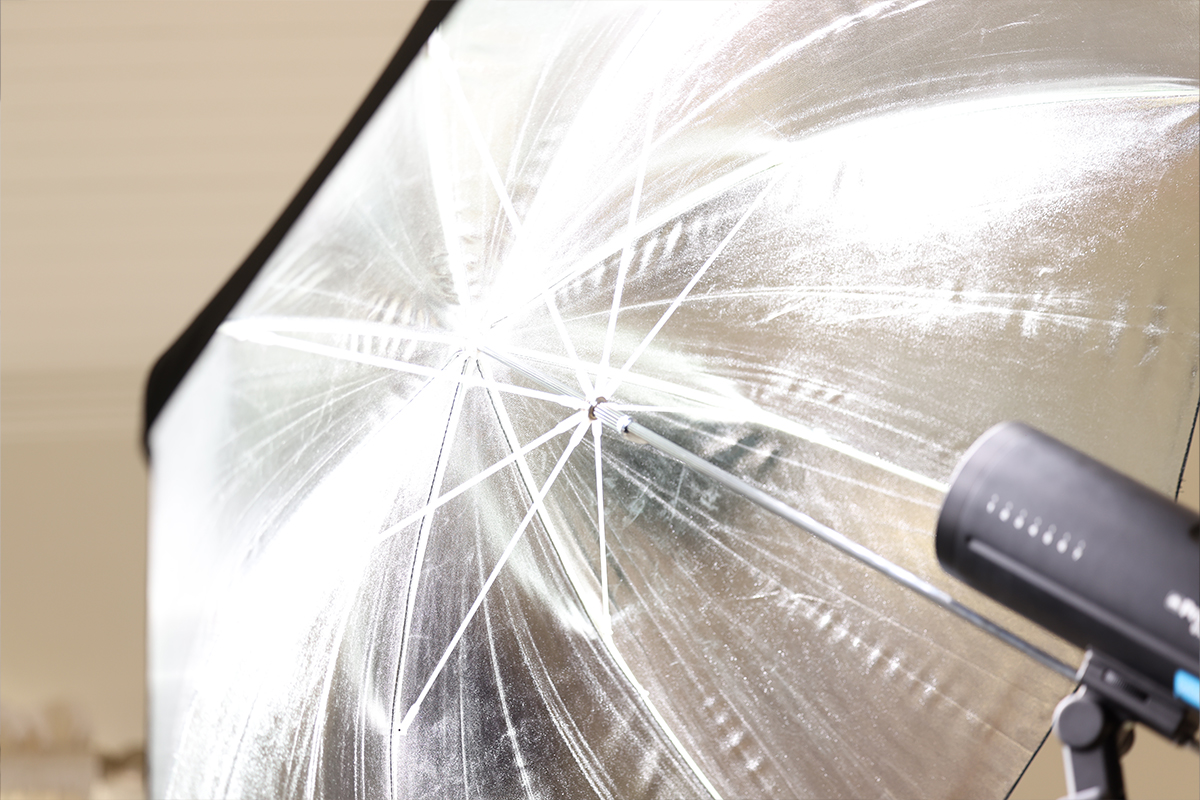
Reflective umbrellas bounce light back toward the subject rather than allowing it to pass through the material. This creates a more directional light source with greater control over spill and contrast compared to shoot-through umbrellas.
Common options include:
- Silver reflective
- Gold reflective
- Dual gold/silver reflective
Silver Reflective
 |
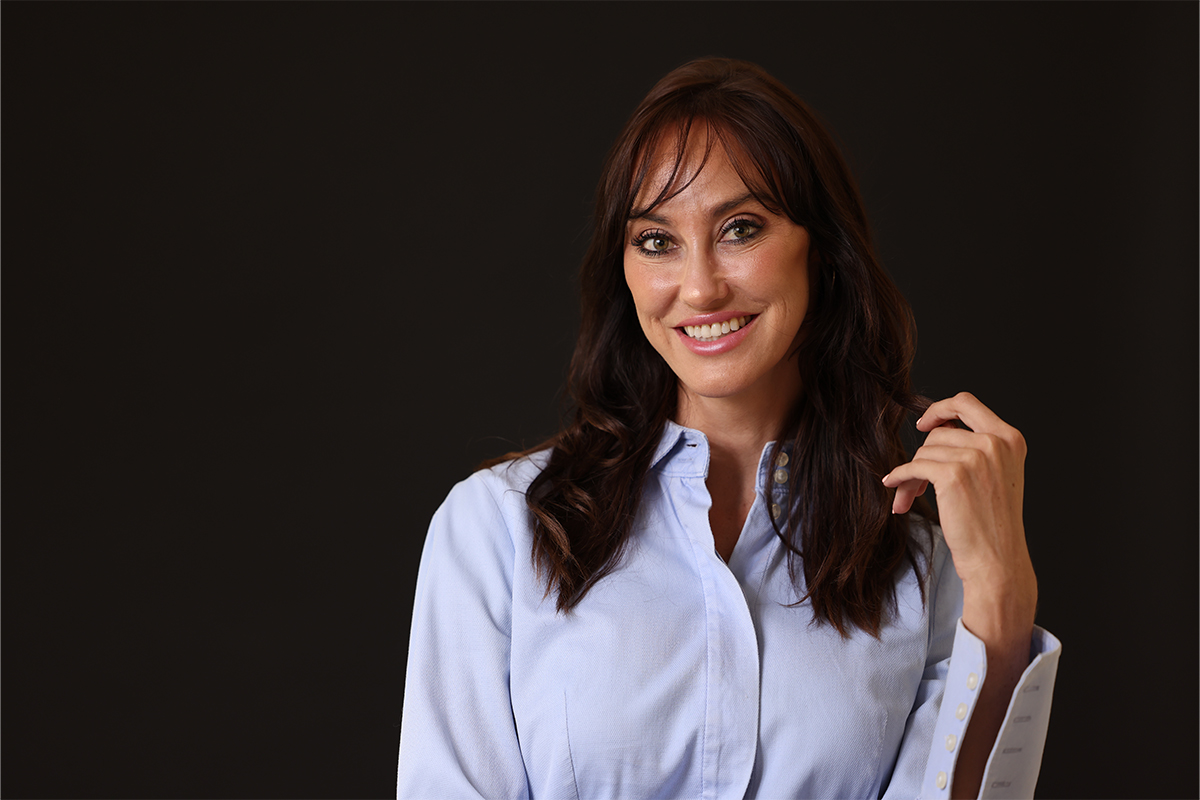 |
Produces:
- Higher contrast
- Brighter highlights
- Crisp, punchy light
- Punchier highlights
Ideal for:
- Fashion photography
- Commercial work
- High-contrast portraits
- Sports or dramatic lighting styles
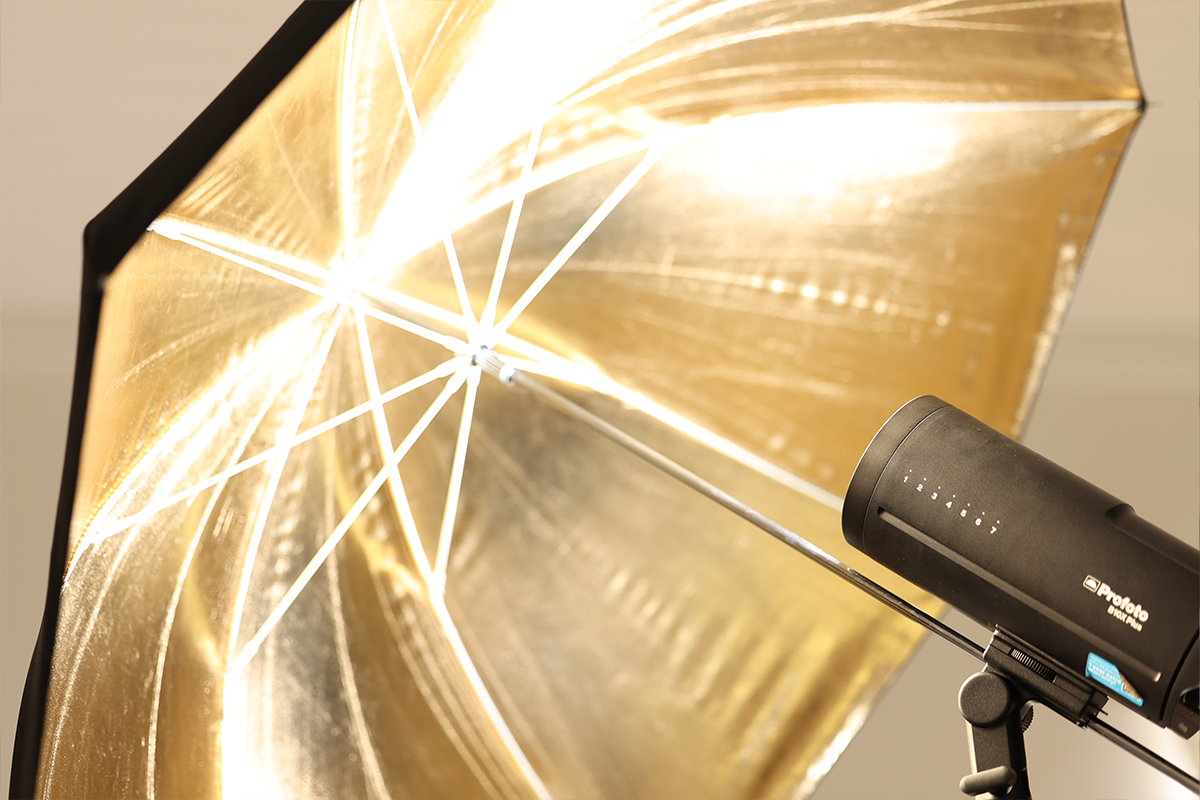
Gold Reflective
 |
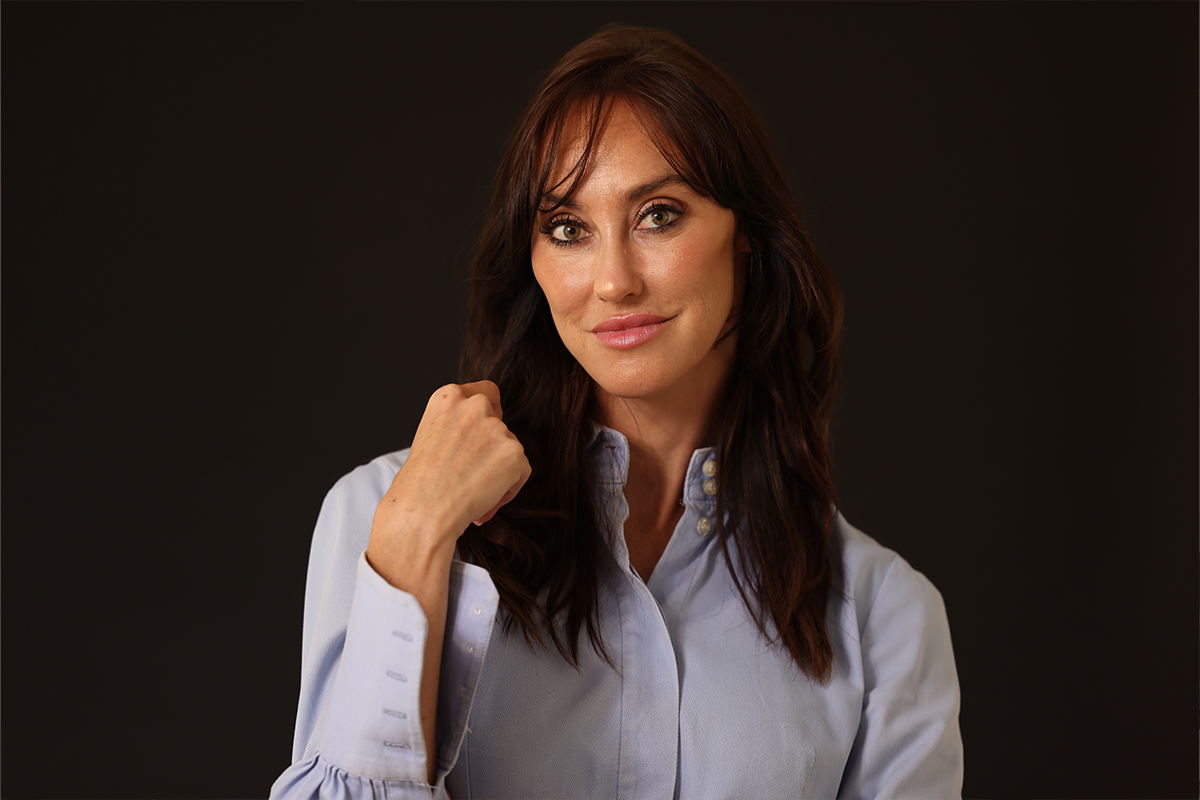 |
Adds:
- Warmer tones
- A golden colour cast
- Increased warmth in skin tones
Useful for:
- Warm portrait styles
- Sunset-inspired looks
- Creative or stylised shoots
Dual Gold/Silver Reflective
A balanced option that combines some of the punch and contrast of silver with the warmth of gold.
This provides:
- Controlled contrast
- More natural warmth
- Versatile colour response
A popular choice for photographers wanting a slightly cinematic or balanced look without creating an overly warm image.
Soft Light vs Hard Light
The modifier you choose has a major impact on the overall mood, texture, and feel of an image. Different light modifiers shape and spread light in different ways, affecting how shadows appear, how skin tones look, and how dramatic or natural the final image feels.
Soft light creates smoother transitions between highlights and shadows, resulting in a more flattering and natural look. Hard light produces stronger contrast, deeper shadows, and a more dramatic appearance with greater texture and definition.
Understanding the difference between soft and hard light helps photographers choose the right modifier for the style, subject, and mood they want to create.
Softer Light
Best for:
- Portraits
- Beauty
- Family photography
- Cleaner commercial looks
Shoot-through umbrellas are usually better suited for this style.
Harder, More Contrast-Driven Light
Best for:
- Fitness shoots
- Dramatic portraits
- Editorial work
- Moody creative portraits
Reflective umbrellas are typically the stronger option here.
|
|
Understanding Colour Cast
Different reflective materials affect colour temperature differently.
For demonstration purposes, lighting tests are often shot at a fixed Kelvin value, for example 5600K, to show how each umbrella naturally shifts colour.
- Gold reflectives will appear warmer.
- Silver reflectives remain more neutral.
- Mixed reflective surfaces sit somewhere in between.
You can always fine-tune colour during editing, but understanding the natural behaviour of the modifier helps you make better decisions during the shoot itself.
A simple lighting tip that makes a big difference
One of the easiest ways to improve softer lighting is adjusting where the light is aimed. Instead of pointing the centre of the light directly at your subject, try positioning it slightly past them.
This helps:
- Reduce hotspots
- Create softer falloff
- Produce more flattering light transitions
Small positioning adjustments often make a bigger difference than changing modifiers completely.
Umbrellas remain one of the most useful and flexible lighting tools for both photographers and videographers.
The right choice comes down to:
- Your shooting environment
- The type of light you want
- Portability needs
- The style of work you shoot most often
If you’re unsure which modifier best suits your workflow, speak to the Go-To Guys for practical advice and recommendations based on your setup and shooting style.