Landscape photography is about more than just a beautiful location. It’s about timing, light, and making deliberate choices with your gear and composition. Whether you’re just starting out or refining your approach, these tips will help you capture stronger, more consistent results.
1. Prioritise light over location
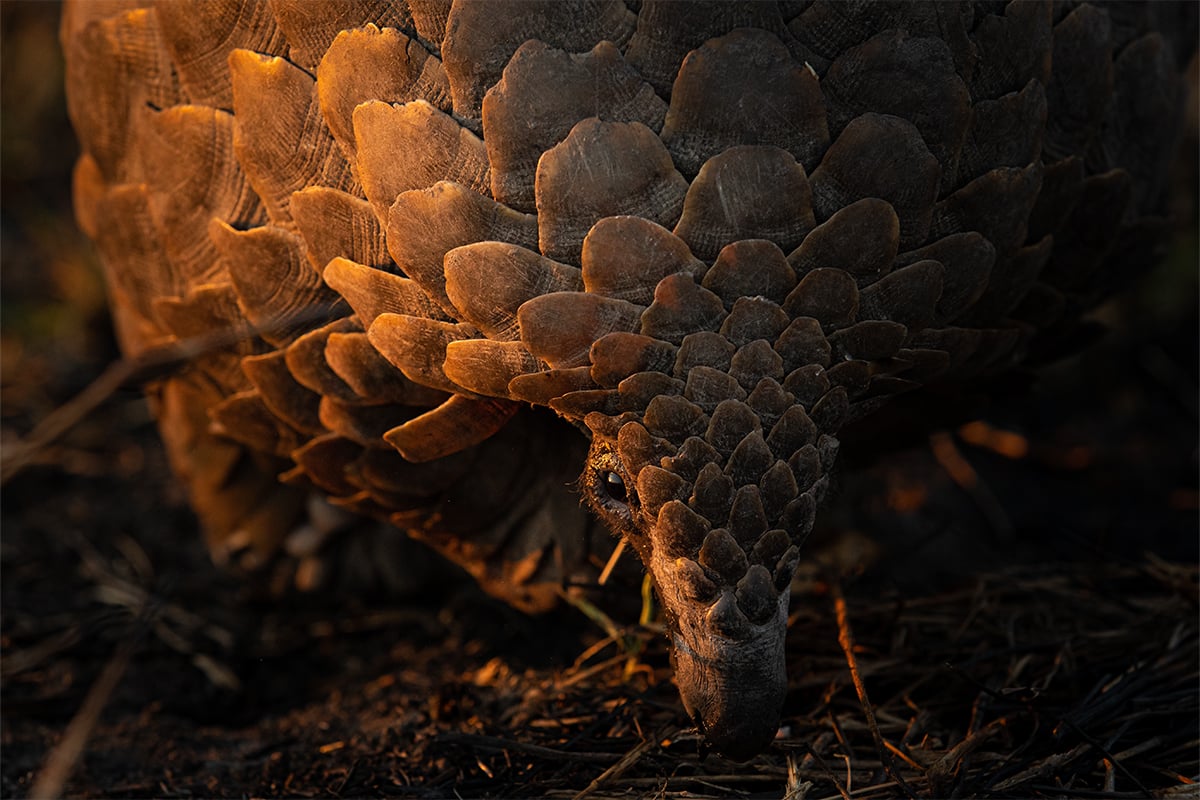
The same scene can look completely different depending on the light. Early mornings and late afternoons, often called golden hour; offer softer light, longer shadows, and richer colour tones.
Midday light tends to be harsh and flat. If you’re shooting then, look for contrast, patterns, or use it creatively rather than fighting it.
If you’re time-limited and stuck in harsh light, don’t force ideal conditions. Instead, adapt, shoot in open shade, use backlighting to soften shadows, or use a polarising filter to reduce glare and improve contrast. Small adjustments like changing your angle or shooting slightly off axis can also instantly improve the image.
Tip: If the light isn’t working, wait. Good light will always improve your image more than a better location.

2. Use a tripod for stability
Sharp images are essential in landscape photography, especially in low light or when using slower shutter speeds. A tripod gives you that stability.
It also allows you to:
- Shoot at lower ISO for cleaner images
- Capture long exposures (water, clouds, light trails)
- Compose your shot more carefully
Tip: Treat your tripod as part of your workflow, not an extra.
3. Keep your composition simple
Strong landscapes are often built on simple compositions. Avoid trying to include everything in one frame.
Focus on:
- A clear subject
- Leading lines
- Foreground interest
- Balance within the frame
Tip: If something doesn’t add value to the image, remove it from your composition.
4. Choose the right aperture
Landscape photography usually benefits from a deeper depth of field.
Start around:
- f/8 to f/11 for sharpness across the frame
- Adjust depending on your foreground and background distance
- Avoid going too narrow (like f/22), as it can reduce overall image sharpness.
Tip: Focus about one-third into the scene for better overall sharpness.
5. Shoot in RAW
RAW files give you more flexibility when editing. You’ll have greater control over:
- Highlights and shadows
- Colour correction
- Detail recovery
This is especially important in landscapes where dynamic range can be challenging.
Tip: Even a good image can become great with proper editing, RAW files give you that control.
Important: If you shoot in RAW, make sure you have enough storage space. RAW files are significantly larger than JPEGs, especially when shooting high-resolution images or long sessions in the field.

6. Add movement to your shots
Not every landscape needs to be static. Movement can add depth and interest.
Try:
- Slower shutter speeds for water
- Capturing moving clouds
- Wind in grass or trees
Tip: Use a tripod and adjust your shutter speed to control how much motion you want.
7. Pack smart
You don’t need to carry everything. Focus on gear that adds value to your shoot:
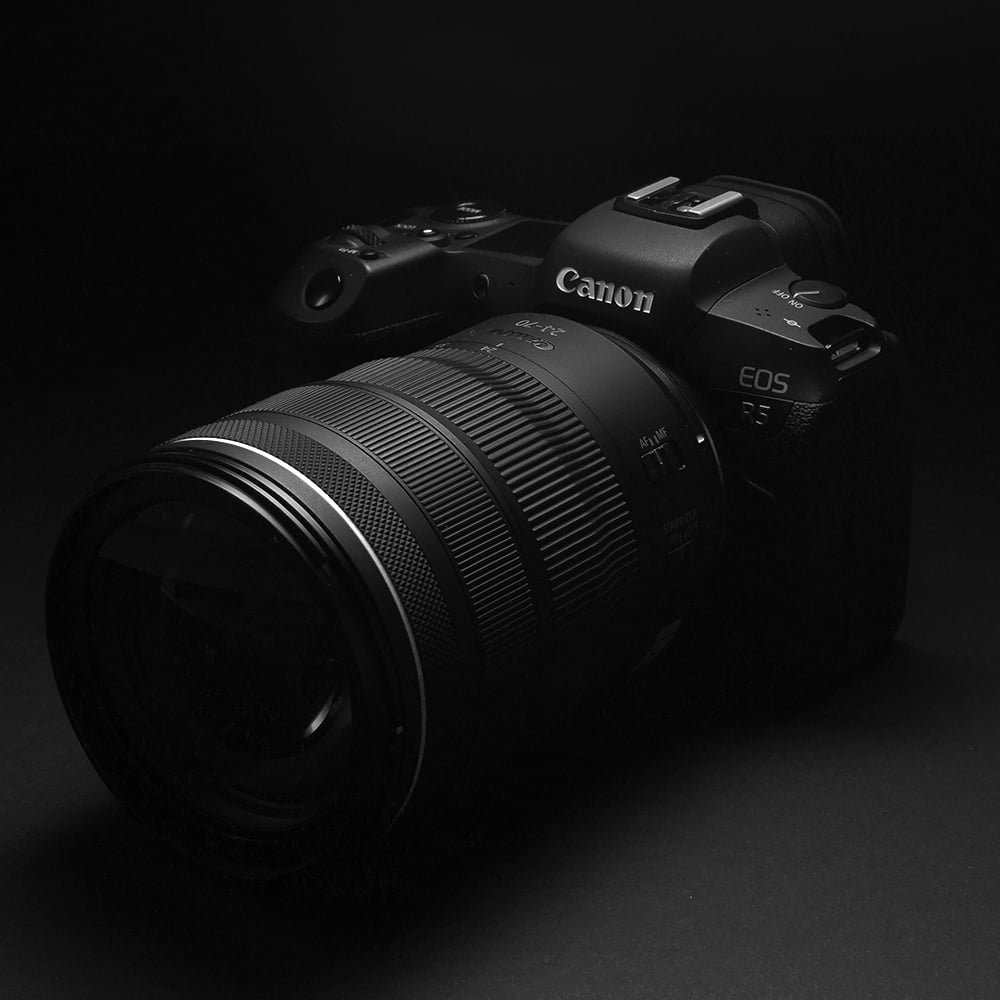
- A reliable camera
- A versatile lens (wide-angle is common for landscapes)
A 70–200mm lens is also not a bad option. It’s often overlooked in landscape work, but it gives you a completely different perspective, compression, layered backgrounds, and a more intentional, cinematic feel. - A tripod
- Extra batteries and memory cards
Tip: The more comfortable you are carrying your gear, the more likely you are to explore better locations.
8. Be patient
Landscape photography rewards patience. Conditions change quickly; light, weather, and atmosphere all play a role.
Sometimes the best shot happens after you think you’re done.
Tip: Stay a little longer. Wait for the light to shift or the scene to settle.

9. Post-production matters more than you think
Your work doesn’t end when you press the shutter. Post-production is where a good image is refined into a strong result.
Editing allows you to:
- Balance exposure and recover detail in highlights and shadows
- Refine colour and contrast to match the mood of the scene
- Crop and fine-tune composition for stronger visual impact
Keep your edits intentional and consistent. Over-editing can remove the natural feel, enhance what’s there, don’t rebuild it. A structured workflow or subscription tools can help you stay efficient and consistent at scale.
Great landscape photography isn’t about chasing perfect conditions every time. It’s about showing up prepared, understanding your environment, and making the most of what’s in front of you. The more you practise these fundamentals, the more consistent your results will become, and the more confident you’ll feel behind the camera.
If you have any questions or require any assistance, please contact our Go-To Guys for further assistance.