If you shoot outdoors, filters are not optional extras. They’re tools. Two of the most misunderstood filters are ND and Polariser filters. They do completely different jobs.
Choosing the right one depends on what you’re trying to control, light or reflections.
Let’s break it down clearly.
What is an ND Filter?
ND stands for Neutral Density.
An ND filter reduces the amount of light entering your lens without changing colour. Think of it as sunglasses for your camera.
It allows you to:
- Use slower shutter speeds in bright conditions
- Shoot wide apertures in daylight
- Control motion blur
- Keep natural motion blur in video
When do you use an ND filter?
1. Long exposure photography
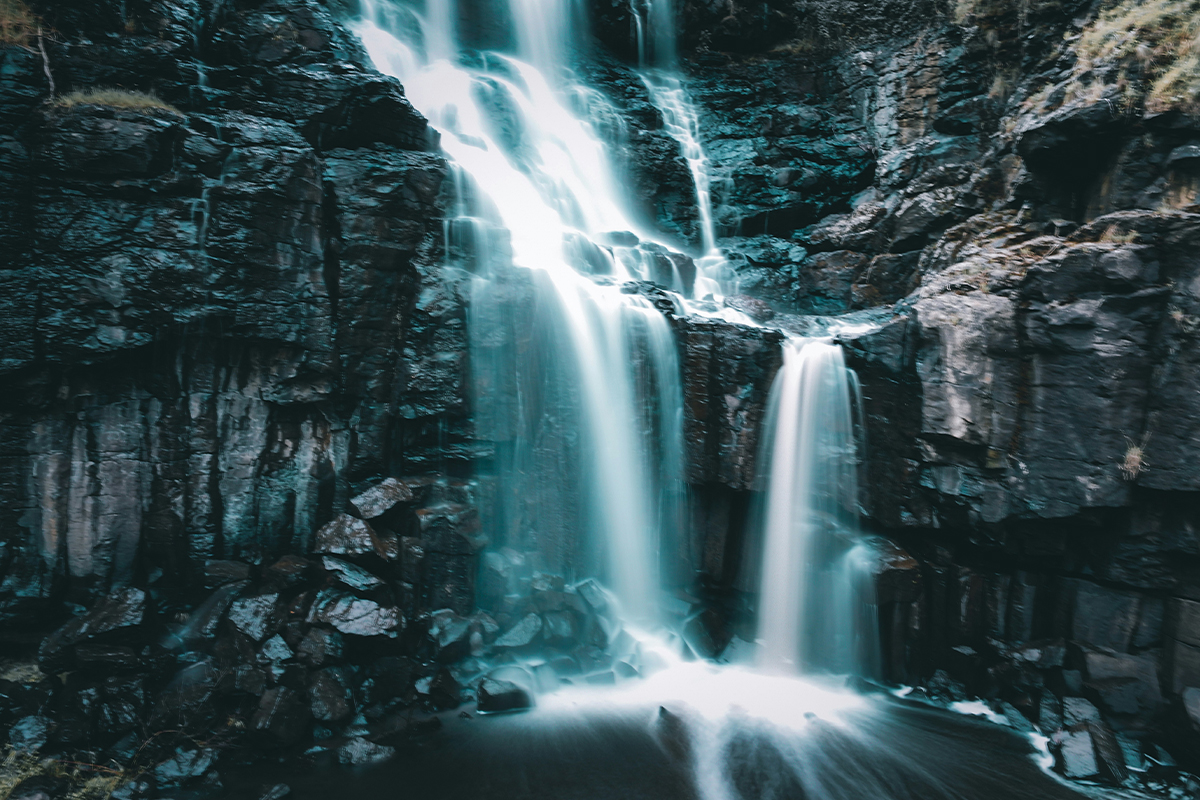
If you are shooting waterfalls, rivers, ocean scenes or light trails during the day, you will need a slower shutter speed. An ND filter makes that possible.
2. Portraits in bright sunlight
If you want a f/1.8 creamy background blur at midday, you will need an ND filter. Without ND, your image will overexpose.
3. Video shooting
Videographers keep their shutter at double the frame rate for natural motion blur. In bright light, this lets in too much light and forces harsher shutter speeds. An ND filter cuts the excess light so you can keep proper exposure and smooth motion.
What is a Polariser Filter?
A Polariser (or circular polariser) controls reflections and glare. It reduces reflected light from non-metallic surfaces like:
- Water
- Glass
- Leaves
- Painted surfaces
It also enhances colour and contrast, especially in skies.
What does a polariser do?
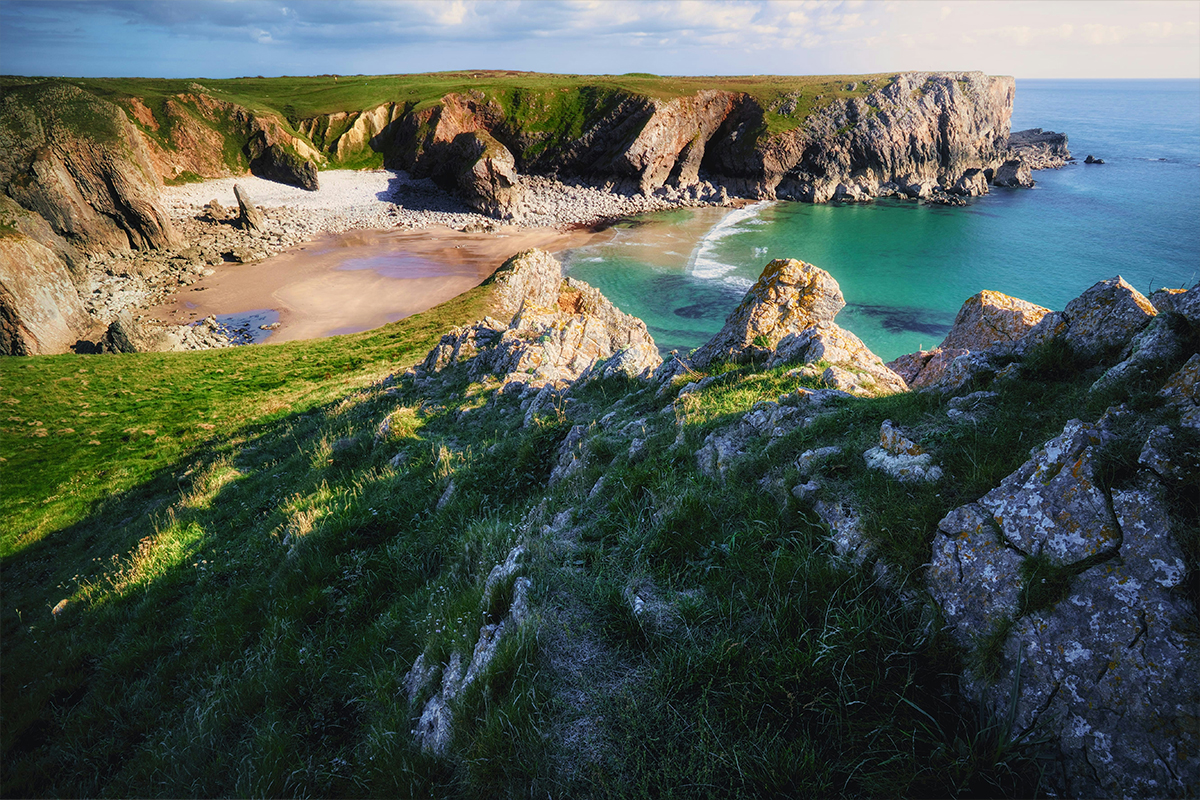
- Makes skies deeper blue
- Reduces reflections on water
- Cuts glare on car paint or windows
- Enhances greens in landscapes
It works by rotating the filter until reflections are reduced. You physically adjust it while looking through the viewfinder or LCD.
Which one should you choose?
Choose: ND filter
- Shooting waterfalls or the ocean
- Shooting video outdoors
- Shooting portraits in harsh sun
Choose: Polariser
- Wanting to remove surface glare
- Shooting landscapes with big skies
- Shooting cars or glass
Can you use both together? Yes. Many landscape photographers stack an ND and a polariser when they need:
- Motion blur
- Reduced glare
- Richer colours
Just be mindful of potential vignetting on wide-angle lenses. ND filter allows you to control light while Polarisers controls reflections. If you shoot video or long exposures, start with ND and if you shoot landscapes, cars or water, start with a polariser.
Serious creators often carry both because different scenes demand different control. The right filter isn’t about gear hype; it’s about solving the exact problem in front of you. If you're unsure which strength ND or which size filter fits your lens, rather send us an email before buying, we would gladly assist. The wrong filter won’t give you the result you’re after.