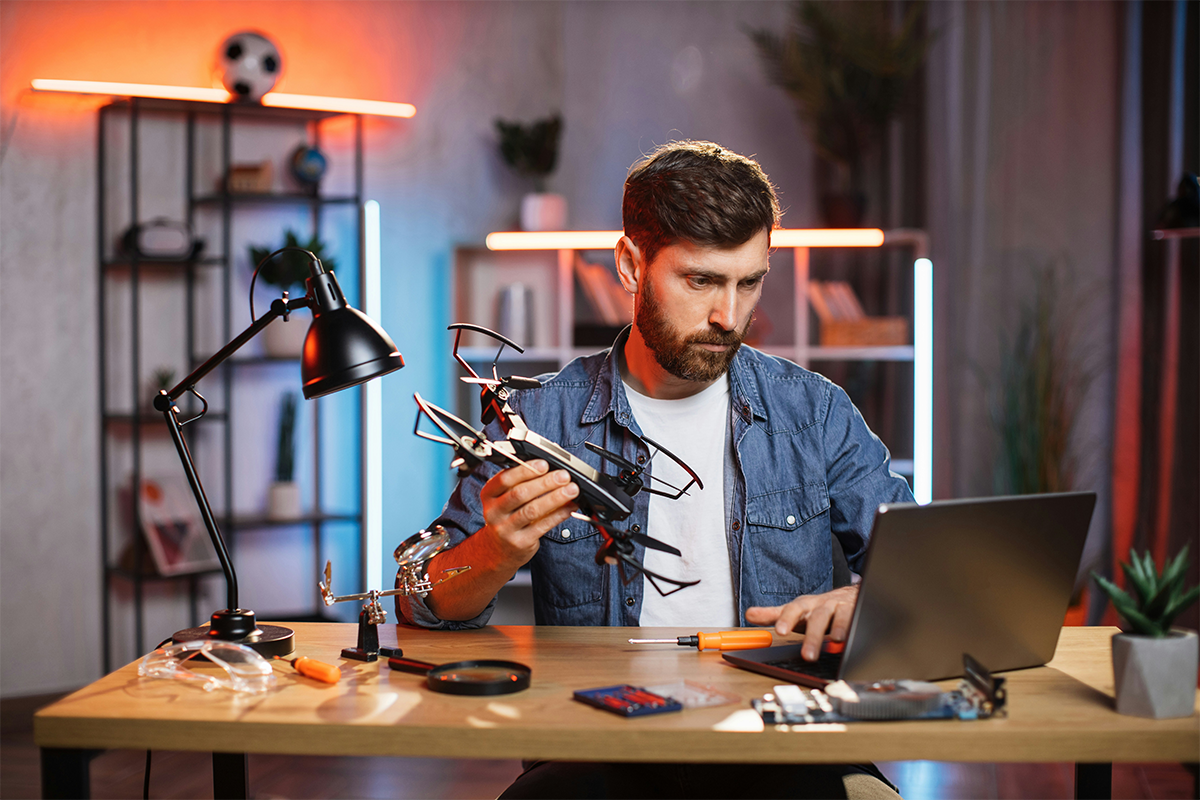
Drones are no longer only niche tools. They’re powerful creative and commercial assets.
From aerial photography and cinematic video to precision agriculture, infrastructure inspections, environmental monitoring, policing, product delivery and even drone racing, drones now play a role across multiple industries.
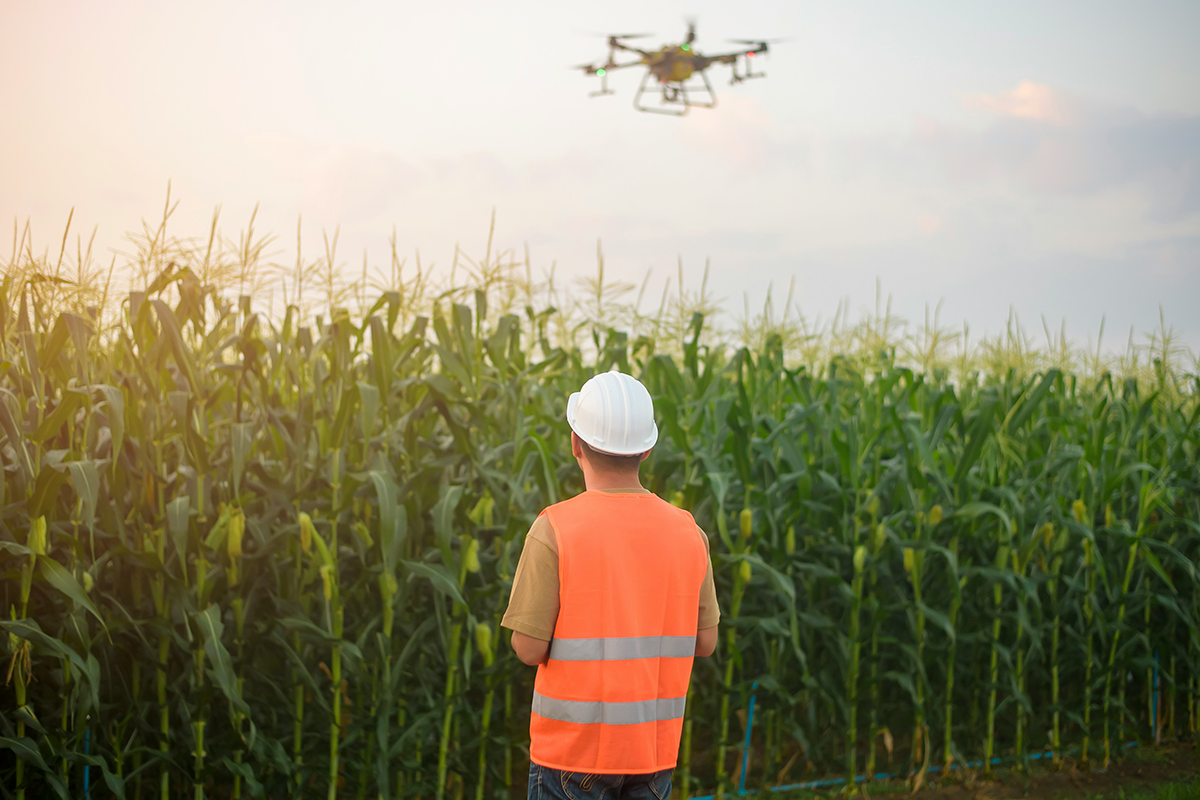
For creators, the biggest shift is perspective.
It’s no secret that adding a drone to your kit can dramatically elevate your work. Aerial footage introduces angles and movement that simply aren’t possible from the ground. It opens storytelling opportunities, especially in video, where motion and scale matter.
But choosing the right drone in 2026 isn’t about buying the most expensive model. It’s about buying the right tool for your purpose.
We’re here to help you make that decision with clarity.
1. Choosing the right drone
Before looking at specs, ask one question:
What are you using it for?
Travel content? Weddings? Commercial work? Inspections? Wildlife? Your answer determines everything.
Beginner vs Prosumer vs Professional
- Beginner drones
Lightweight, portable and easy to fly. Ideal for hobbyists and content creators starting out.
Examples: DJI Mini 4K, DJI Mini 4 Pro or DJI NEO 2
- Prosumer drones
Stronger wind resistance, better sensors and more advanced features. Perfect for serious creators and small businesses.
Example: DJI Air 3S or Antigravity A1 8K 360
- Professional drones
Larger sensors, superior dynamic range, high wind tolerance and advanced obstacle systems. Designed for commercial operators and demanding environments.
Example: DJI Mavic 4 Pro
Each tier serves a different need. Buying above your requirement often means paying for features you won’t use.
Sensor Size: Why it matters
Sensor size directly affects:
- Image quality
- Low-light performance
- Dynamic range
- Depth and detail
If you shoot professionally or in challenging light, this matters. A larger sensor gives you more flexibility in post-production and more consistent results.
Obstacle Avoidance: Necessary or not?
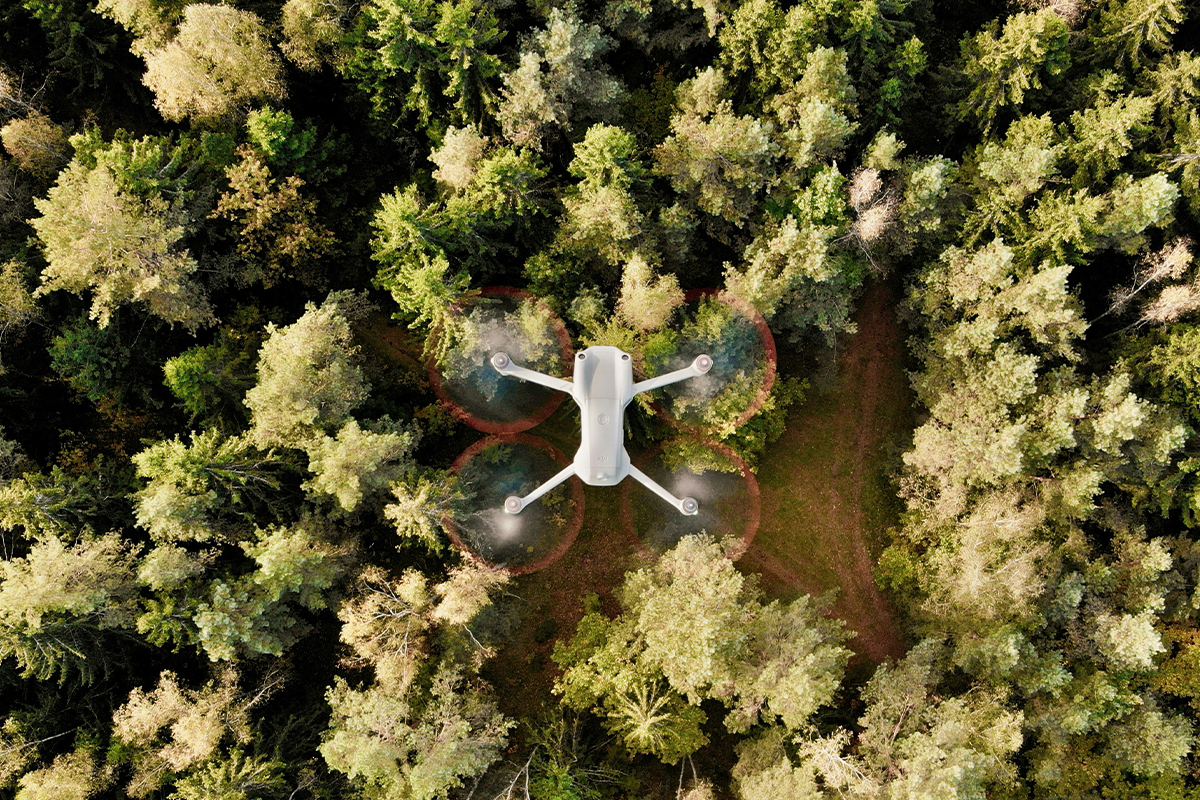
If you’re flying in tight spaces, near trees, buildings or at events, this feature is valuable. If you’re primarily shooting open landscapes and have solid flying skills, it may not be critical. Know your environment before deciding.
Wind Resistance Ratings
South African conditions can be unpredictable. Always check the drone’s wind resistance rating. Lightweight drones struggle in coastal areas or elevated terrain. More powerful models handle wind with far greater stability.
Battery Life vs Real-World Flight Time
Manufacturers quote ideal flight times. Wind, movement, temperature and shooting style reduce that number. Plan on getting 20–30% less than the advertised maximum and always carry spare batteries.
2. Drone laws in South Africa
This is non-negotiable. Before flying, understand the rules set by the South African Civil Aviation Authority.
Recreational vs Commercial
- Recreational flying has fewer requirements but still strict safety rules.
- Commercial use requires proper licensing and compliance.
If you’re charging for your work, you need to operate legally.
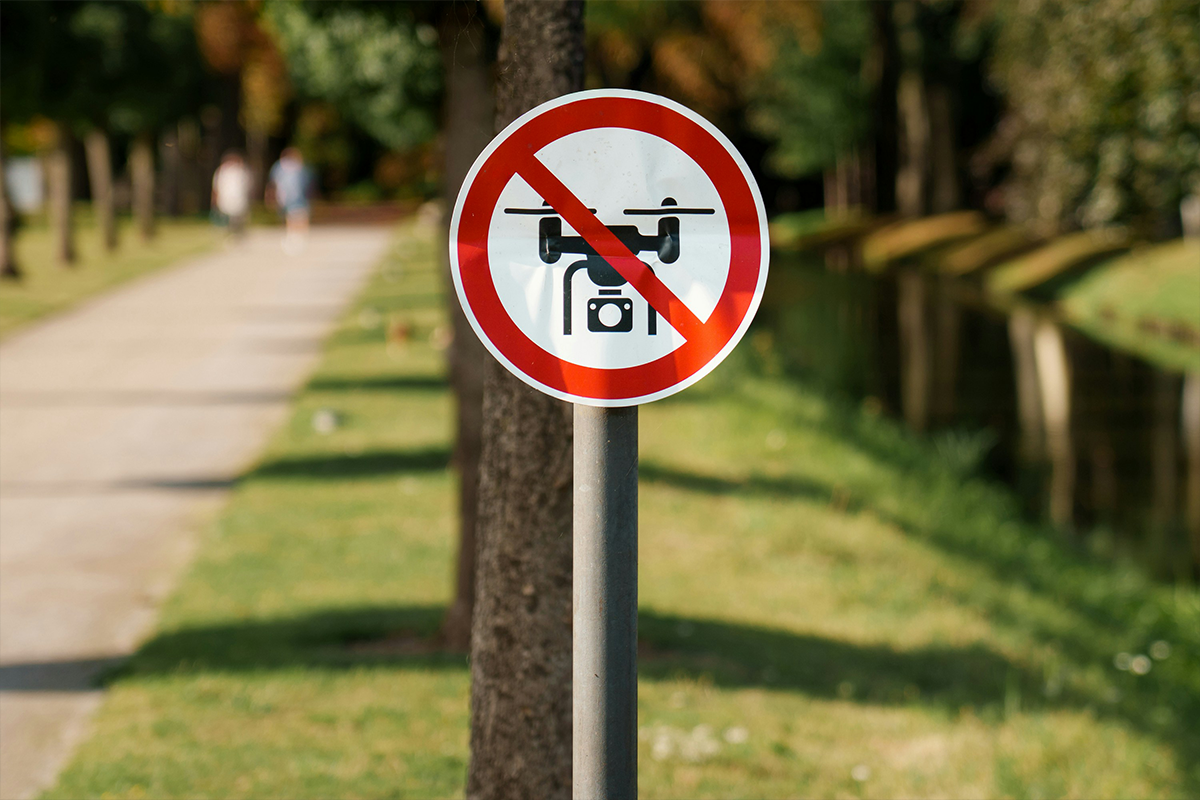
No-Fly Zones: Avoid
- Airports
- Controlled airspace
- Military zones
- Certain urban areas
Always check official maps before flying.
Wildlife and Nature Reserves
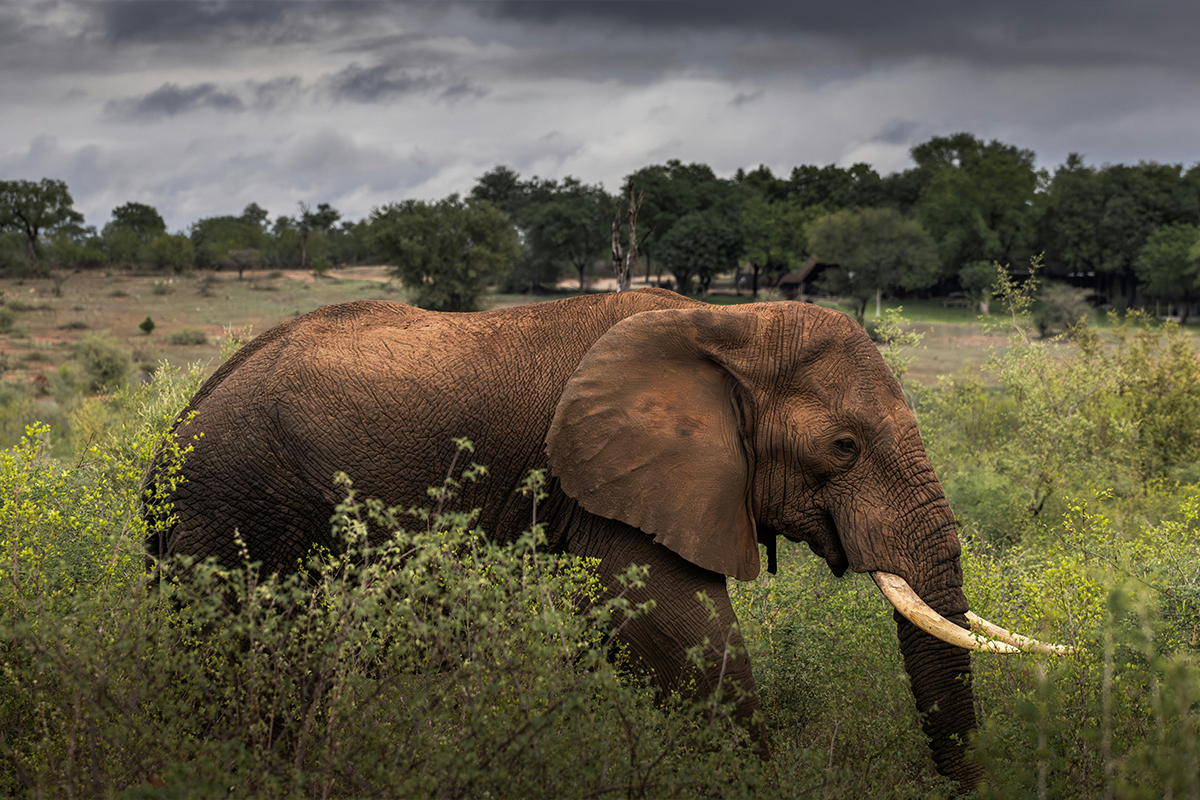
Flying near wildlife can cause distress and is often restricted. Respect conservation areas and lodge regulations.
Penalties
Illegal flying can result in fines and serious consequences. Stay informed. Fly responsibly.
3. How to get cinematic drone footage
A drone alone doesn’t create cinematic results. Technique does.
ND Filters
ND filters reduce light so you can maintain natural motion blur in video. Essential for daytime filming.
The 180° Shutter Rule
For natural-looking motion, make sure your shutter speed is double your frame rate.
Example: 24fps → 1/50 shutter
Shooting in D-Log
D-Log captures more dynamic range. It looks flat out of camera but gives you more control in grading.
Movement Matters
Avoid aggressive stick inputs. Use slow, controlled movements:
- Forward reveals
- Top-down shots
- Parallax movement
- Gradual altitude changes
Golden hour remains unbeatable for colour and depth.
5 Drone shots every wedding videographer should know
- Venue establishing shot
- Slow reveal of ceremony location
- Orbit of couple
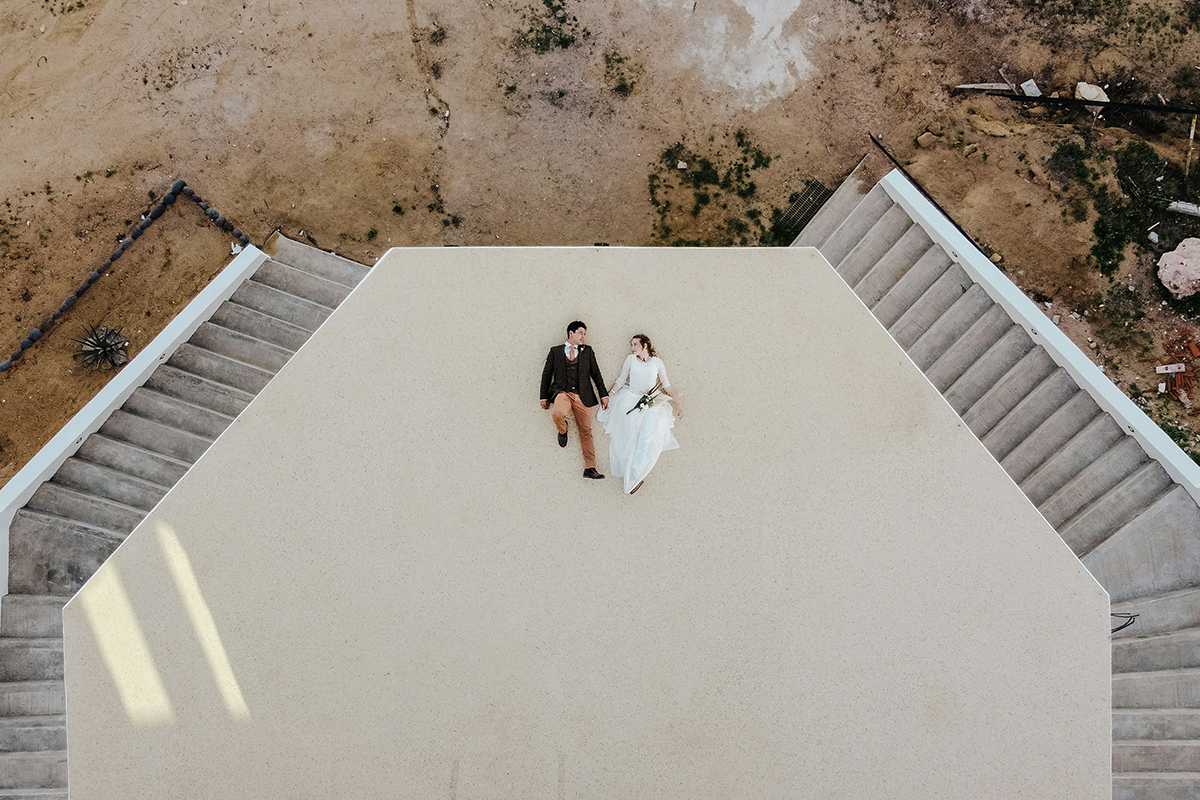
- Top-down detail shot
- Exit wide pull-away
These add scale and emotion to a wedding film instantly.
4. Drone photography composition tips
Aerial photography is not just “higher photography”. It’s different.
Focus on:
- Leading lines from above
- Symmetry and repeating patterns
- Strong shadows
- Reflections over water
- Varying altitude for perspective shifts
Sometimes flying lower creates stronger compositions than flying high.
5. Pre-flight checklist
Professionals don’t skip this.
Before every flight:
- Update firmware
- Calibrate compass (if required)
- Check weather conditions
- Format MicroSD card
- Set return-to-home height
- Confirm battery levels
A simple checklist prevents costly mistakes.
6. Common drone mistakes beginners make
- Flying too high too quickly
- Ignoring wind conditions
- Shooting everything ultra-wide
- Not monitoring exposure
- Flying in restricted areas
Confidence grows with practice. Controlled flying produces better footage.
7. Editing drone footage like a pro
Shooting is only half the process.
For editing:
- Grade D-Log carefully
- Match colour between drone and ground cameras
- Use stabilisation sparingly
- Choose LUTs wisely, don’t overdo them
Software options include:
Both offer powerful grading tools when used properly.
8. Ethical drone use
- Respect privacy
- Avoid disturbing wildlife
- Follow reserve regulations
- Get permission when shooting events
Responsible flying protects both your reputation and the industry.
9. Can you make money with a drone?
Yes, if you operate legally and strategically.
Opportunities include:
- Real estate
- Weddings
- Tourism lodges
- Agriculture
- Construction monitoring
Understand licensing requirements before marketing your services.
10. Drone trends for 2026
Stay ahead by watching these trends:
- Vertical drone content for social platforms
- FPV cinematic sequences
- Advanced hyperlapse workflows
- AI-assisted subject tracking
Technology is evolving fast. Skill still wins.
A drone is not just an accessory. It’s a storytelling tool. Choose your drone based on purpose, understand the law, master techniques and fly responsibly.
If you’re unsure which drone fits your workflow, send us an email. We can connect you to a sales consultant who will advise what works best for you. The right advice upfront saves time, money and frustration later.