Choosing the right microphone can elevate your content creation. We explore the difference between USB and XLR mics to help you find the perfect fit for your workflow.
Whether you’re recording a podcast in your home office, filming YouTube videos, or streaming live on Twitch, one thing is certain, good audio can make or break the experience.
And when it comes to choosing a microphone, it often comes down to one key decision: USB or XLR?
Let’s break it down in a way that’s simple, practical, and helps you make the right choice for your creative setup
What’s the Difference?
USB Microphones: The plug-and-play all-rounder
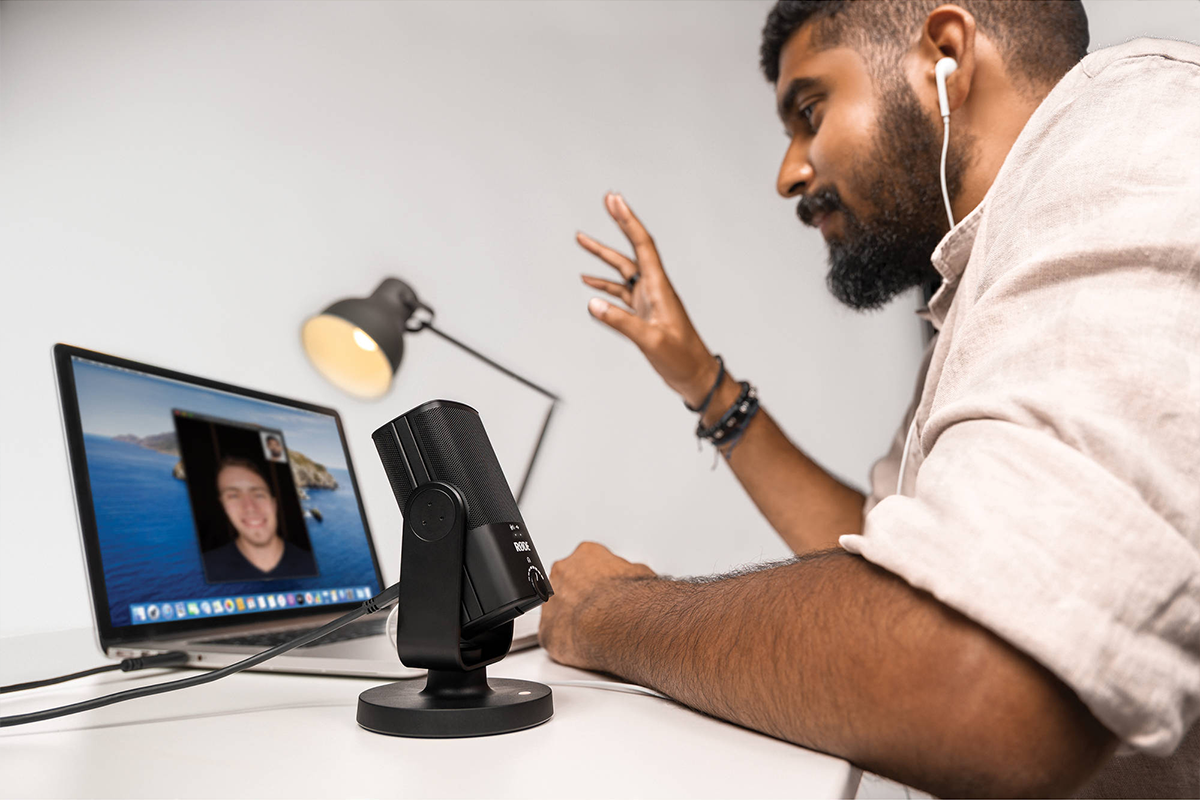
USB microphones are incredibly easy to use, just plug them into your computer and you’re ready to record. No need for extra gear like mixers or interfaces, which makes them ideal for beginners or anyone who wants an easy setup.
Why creators love USB mics:
- Quick, no-hassle setup
- Perfect for solo creators, streamers, and remote work
- Portable and travel-friendly
- Great for voiceovers, online calls, and podcasting
Models like the RODE NT-USB Mini or Wireless Micro USB-C offer clean, crisp sound with compact designs that are made to move with you.
XLR Microphones: For the studio purist
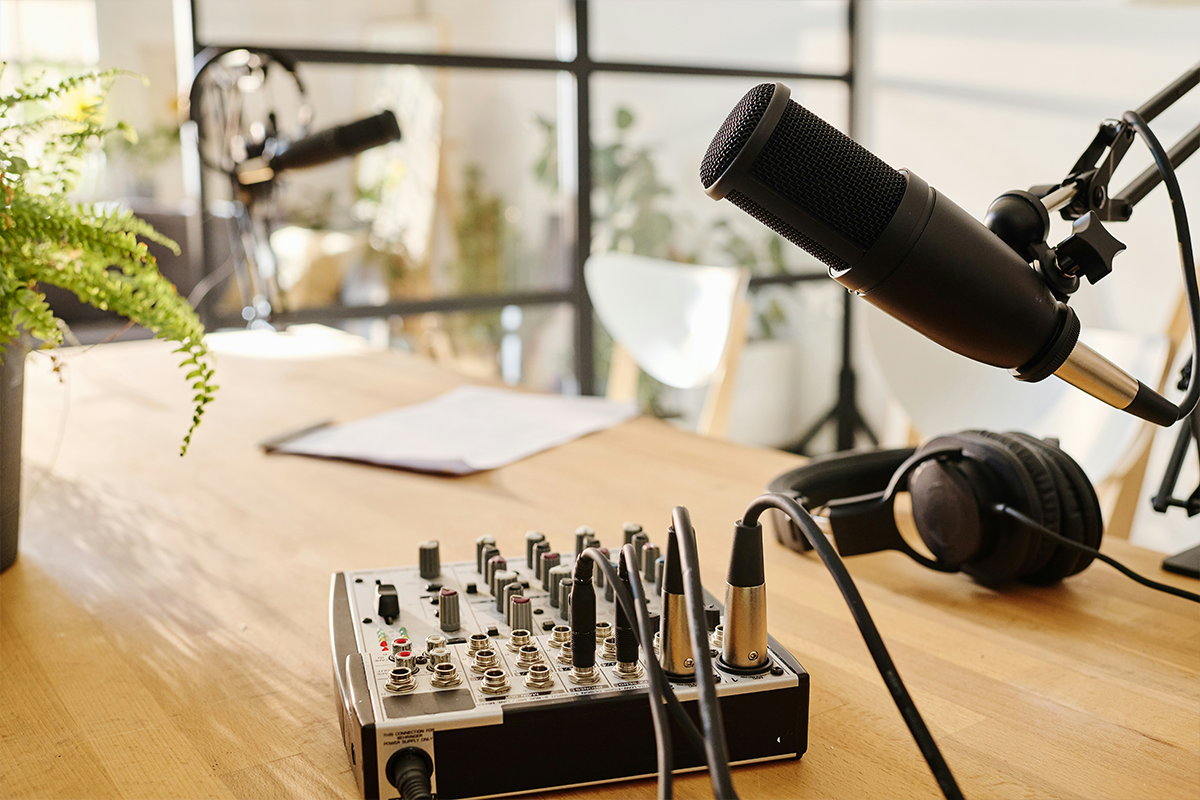
If you’re ready to take things up a notch, XLR mics are where you’ll find professional-grade sound. They don’t plug directly into your computer, you’ll need an audio interface or mixer, but the reward is rich, detailed audio and full control over your sound.
Why professionals go XLR:
- Superior sound quality thanks to analog signal paths
- Greater control over EQ, gain, and effects
- Built for studio environments, interviews, and serious production
From radio to music recording and professional podcasting, XLR has long been the industry standard, and for good reason.
How do they sound?
In most cases, XLR microphones deliver better audio. But that doesn’t mean USB mics can’t shine. Today’s best USB models pack impressive quality into small, user-friendly packages.
If you’re capturing a vlog or recording a voiceover, a good USB mic can absolutely do the job. If you’re producing client work or building a studio, XLR might be worth the investment.
Control & flexibility
USB Mics: You’ll often get built-in controls like volume, mute, and headphone monitoring, enough for basic adjustments without diving too deep.
XLR Mics: Paired with an interface, they give you full creative control, perfect for shaping your sound in post, adding effects, or fine-tuning levels.
Portability & workflow
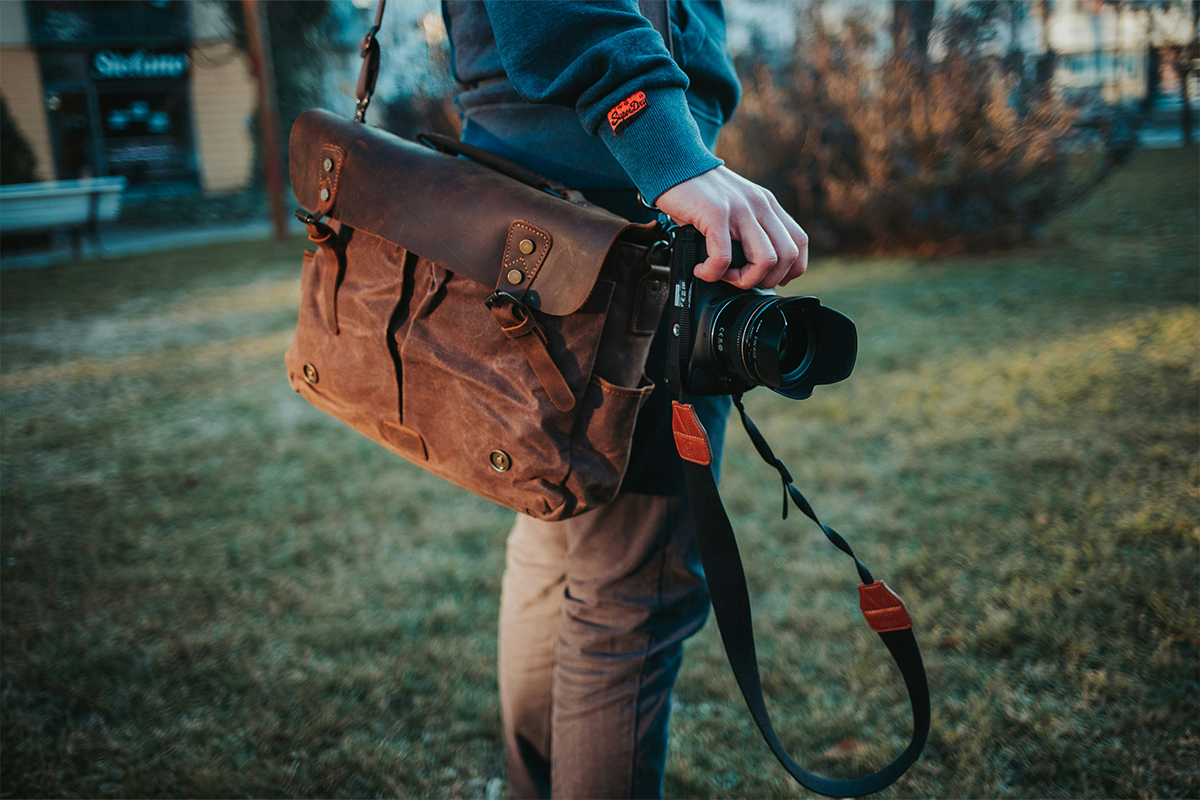
Need something you can toss in a backpack and use anywhere? USB wins hands-down for portability. It’s ideal for creators on the move or those recording from different locations.
But if you have a dedicated recording space, XLR gear offers more room to grow with your setup.
Budget considerations
USB mics are budget-friendly and require no extra equipment, perfect for getting started without breaking the bank.
XLR mics involve a bigger upfront investment (you’ll need the mic + an interface), but they offer better long-term quality and scalability.
Can’t decide? Try a hybrid
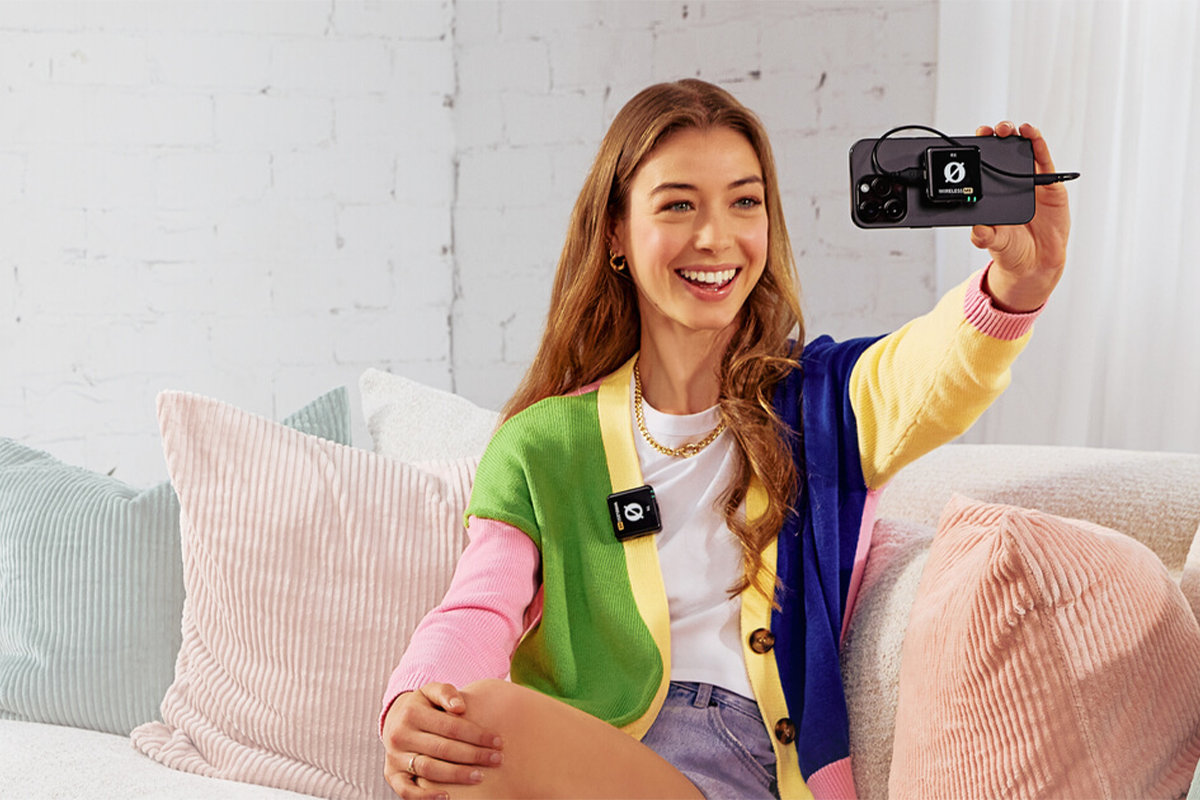
Some mics, like the RODE Wireless ME, give you the best of both worlds, wireless convenience with excellent sound. These are great for mobile creators, vloggers, and interviewers who want flexibility without sacrificing quality.
There’s no one-size-fits-all answer. The best microphone is the one that fits your workflow, your space, and your creative goals.
- Choose USB if you want a portable, affordable, and simple solution.
- Choose XLR if you’re after the best possible sound and plan to grow your setup.
At the end of the day, it’s not just about the gear, it’s about how you use it. So pick the mic that helps you share your voice with confidence, and start creating.