If you're buying a camera today, one question almost always comes up first: DSLR or mirrorless? Both systems can produce professional-quality photos and video. The real difference comes down to how they work, how they handle, and what kind of creator they suit best.
Let’s break it down so you can see which system fits best with the way you like to shoot.
First, what’s the difference?

DSLR Cameras
A DSLR (Digital Single Lens Reflex) uses a mirror and optical viewfinder. Light enters through the lens, reflects off a mirror, and travels into the viewfinder so you see the scene directly through the lens.
When you press the shutter, the mirror flips up and the image is captured by the sensor.
Key characteristics:
- Optical viewfinder (no screen delay)
- Larger camera bodies
- Strong battery life
- Mature lens ecosystems
For years, DSLRs were the industry standard for professional photographers.

Mirrorless Cameras
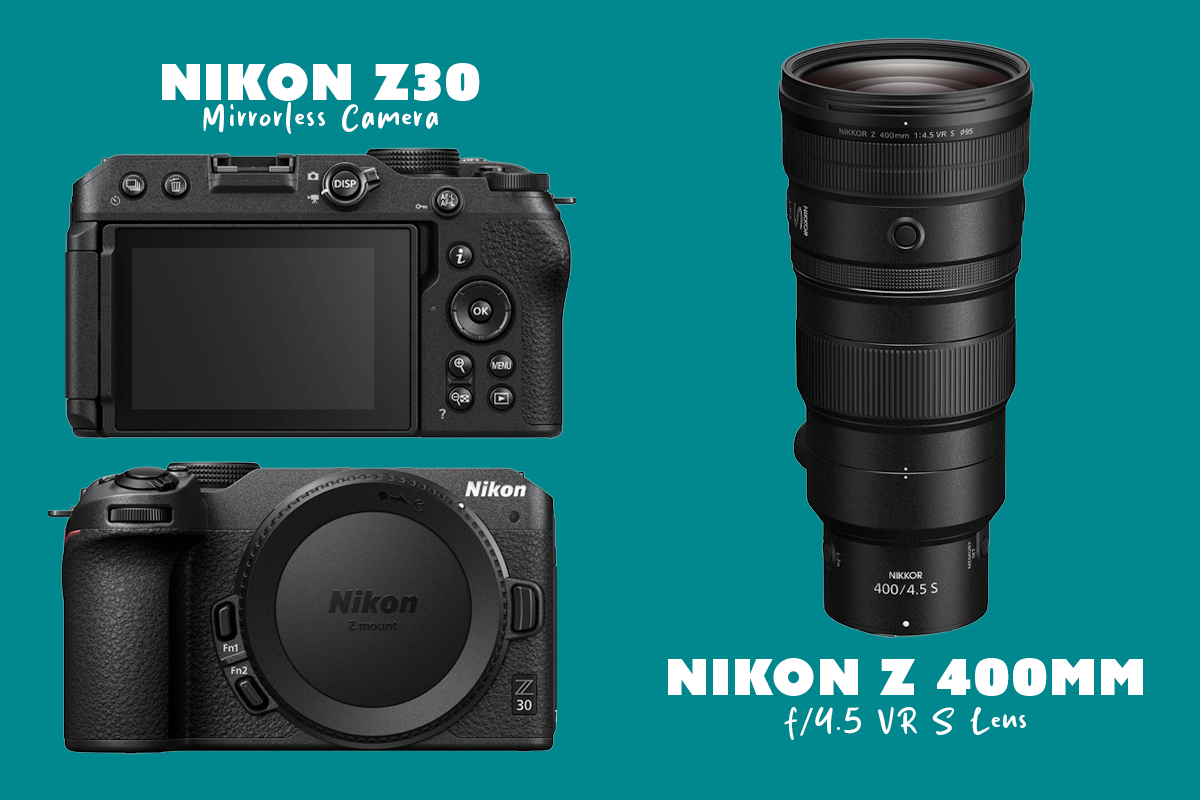
Mirrorless cameras remove the mirror mechanism entirely. Light travels directly to the sensor, and the image is displayed through an electronic viewfinder (EVF) or LCD screen.
Because there’s no mirror assembly, the camera can be smaller, lighter, and more technologically advanced.
Key characteristics:
- Electronic viewfinder with live exposure preview
- Faster autofocus systems
- Smaller bodies and lenses
- Strong video capabilities
Mirrorless systems are now the fastest-growing segment of the camera industry.
Size and weight
Mirrorless cameras are generally more compact and lighter. This makes a noticeable difference for:
- Travel photography
- Content creators
- Event shooting
- Gimbal and video work
DSLRs tend to be larger and heavier, which some photographers prefer because they offer better balance with large lenses.
- Want something lightweight? Mirrorless.
- Prefer a solid, traditional feel? DSLR.
Autofocus performance
Autofocus is one of the biggest areas where mirrorless systems have improved dramatically.
Most modern mirrorless cameras include:
- Eye detection autofocus
- Face tracking
- Real-time subject tracking
- Advanced video autofocus
DSLR autofocus is still excellent, but mirrorless systems now lead in tracking and subject recognition, especially for video and fast-moving subjects.
Best for autofocus technology: Mirrorless.

Battery life
DSLR cameras typically last much longer on a single battery. Because mirrorless cameras rely on electronic displays and sensors running continuously, they consume more power.
Typical shooting estimates:
- DSLR: 800-1500+ shots per battery
- Mirrorless: 300-700 shots per battery
For long shoots or travel days, DSLR still has the advantage.
Video capabilities
If video matters to you, mirrorless cameras usually offer more advanced features, including:
- Higher frame rates
- Better autofocus in video
- More compact rigs for filming
- Stronger hybrid photo/video performance
This is why many YouTubers, filmmakers and creators have moved to mirrorless systems.
Best for video: Mirrorless.
Lens selection
DSLR systems from brands like Canon and Nikon have huge lens libraries built over decades. That said, mirrorless systems have expanded rapidly and now offer:
- High-end professional lenses
- Compact travel lenses
- Adaptors for DSLR lenses
In most cases today, lens choice is no longer a major limitation when choosing mirrorless.

Learning curve
For beginners, mirrorless cameras often feel easier to learn because the electronic viewfinder shows exactly what the final photo will look like.
You can see exposure changes, white balance and depth of field in real time before you take the shot.
DSLRs require a bit more experience because the optical viewfinder doesn’t preview those changes.
Price considerations
Historically DSLRs were cheaper, but the gap has narrowed.
Today you’ll find:
- Affordable entry-level mirrorless cameras
- Mid-range hybrid cameras
- High-end professional mirrorless systems
The real cost difference usually comes from lenses and accessories, not the camera body alone.
So, which should you buy?
Choose a DSLR if you:
- Prefer an optical viewfinder
- Want the best battery life
- Like larger camera bodies
- Already own DSLR lenses
Choose a Mirrorless if you:
- Want the latest autofocus technology
- Shoot both photo and video
- Prefer smaller, lighter gear
- Want modern features like eye tracking
Both DSLR and mirrorless cameras can produce exceptional image quality. The biggest difference today is technology direction.
Most manufacturers are now investing heavily in mirrorless systems, which means faster innovation, new lenses, and advanced features are often introduced there first. As a result, DSLR models are gradually becoming less common on the market, with fewer new bodies being released.
For many modern photographers, videographers, and creators, mirrorless is becoming the natural choice. But the best camera is still the one that fits your shooting style and what you love to create.