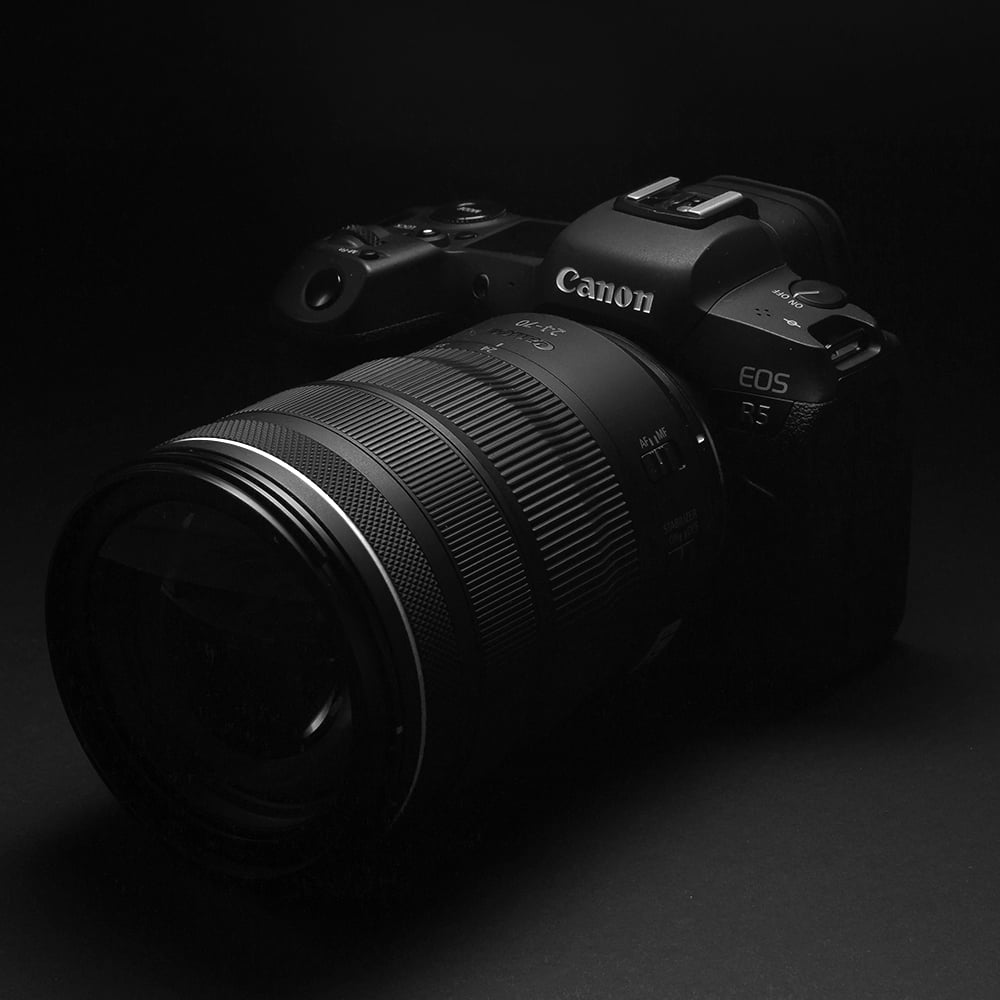
When you first pick up a camera, all the dials, buttons, and menus can feel overwhelming. Aperture, shutter speed, ISO; it can feel like a different language. Understanding these core settings is the first step to taking control of your photography.
This guide breaks them down in simple, practical terms, so you can start creating the images you want.
Aperture - Controlling light and depth
Aperture refers to the size of the lens opening and the size of the light it lets in.
- Wide aperture (f/1.4 - f/2.8): Lets in more light, creates a shallow depth of field. Perfect for portraits with blurred backgrounds.
- Narrow aperture (f/8 - f/16): Lets in less light, increases depth of field. Ideal for landscapes where you want everything in focus.
Tip: Aperture doesn’t just affect brightness, it shapes your image by controlling what’s sharp and what’s blurred.

Shutter Speed - Blurring motion
Shutter speed is how long the camera sensor is exposed to light.
- Fast shutter (1/500s and faster): Freezes motion, great for sport or wildlife.
- Slow shutter (1/30s and slower): Captures movement blur, useful for creative effects like waterfalls or light trails.
Tip: Use a tripod for slow shutter shots to avoid camera shake.

ISO - Sensitivity to light
ISO controls how sensitive your camera’s sensor is to light. Lower ISO means the sensor is less sensitive, needing more light for proper exposure. This is ideal for bright conditions and gives the cleanest images with minimal noise. Higher ISO increases sensitivity, letting you shoot in darker environments without a flash, it can introduce noise, appearing as grain in your photos.
- Low ISO (100-400): Less sensitive, cleaner images, ideal for bright conditions.
- High ISO (800+): More sensitive, lets you shoot in low light but can introduce noise.
- Tip: Start with the lowest ISO possible, then increase only if needed.

White Balance - Correcting colour temperature
White balance determines how your camera interprets colours under different lighting conditions. It ensures whites appear truly white and other colours look natural.
- Daylight: Neutral tones for outdoor sunlight.
- Tungsten/Incandescent: Reduces warm orange tones indoors.
- Cloudy/Shade: Adds warmth to counter cool light.
Tip: Shoot in RAW if you want to adjust white balance precisely in post-production.

Focus Modes - Sharpness where you want it
Most cameras have autofocus and manual focus options.
- Single Point AF: Focus on one area, good for portraits.
- Continuous AF: Keeps moving subjects in focus, ideal for action or sports.
- Manual Focus: Full control, useful for tricky or low-light shots.
Tip: For beginners, start with Single Point AF, it’s reliable for most shots and helps you learn composition while keeping your subject sharp.
Learning camera settings is all about experimentation. Most cameras have several shooting modes:
- Auto:
The camera chooses everything; ISO, aperture, and shutter speed. Great for quick shots, but you have less creative control.
- Program (P):
The camera sets ISO and shutter/aperture combinations, but you can adjust some settings manually.
- Aperture Priority (A or Av):
You select the aperture; the camera chooses shutter speed. Perfect for controlling depth of field.
- Shutter Priority (S or Tv):
You set the shutter speed; the camera chooses aperture. Ideal for freezing motion or creating motion blur.
- Manual (M):
You control everything; ISO, aperture, and shutter speed. Full creative control but requires practice.
Tip: Start in Aperture or Shutter Priority to focus on one aspect at a time, then move to Manual as you gain confidence.

Applying what you’ve learned:
- Adjust aperture for depth of field.
- Adjust shutter speed for motion.
- Adjust ISO for light.
- Use white balance to correct colours.
- Choose the right focus mode for your subject.
Mastering these settings is less about memorising and more about practice. Small adjustments can make a big difference, and over time, these controls will become second nature. Take your camera out often, experiment with different settings, and review your results. That’s where real progress happens.
If you’d like more guidance, get in touch with our team for personalised advice, explore our workshops to build confidence and sharpen your skills.